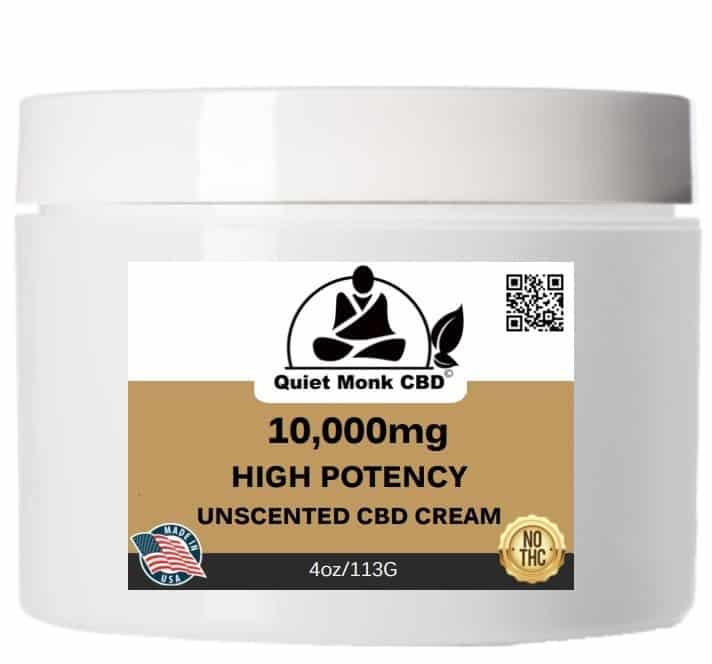
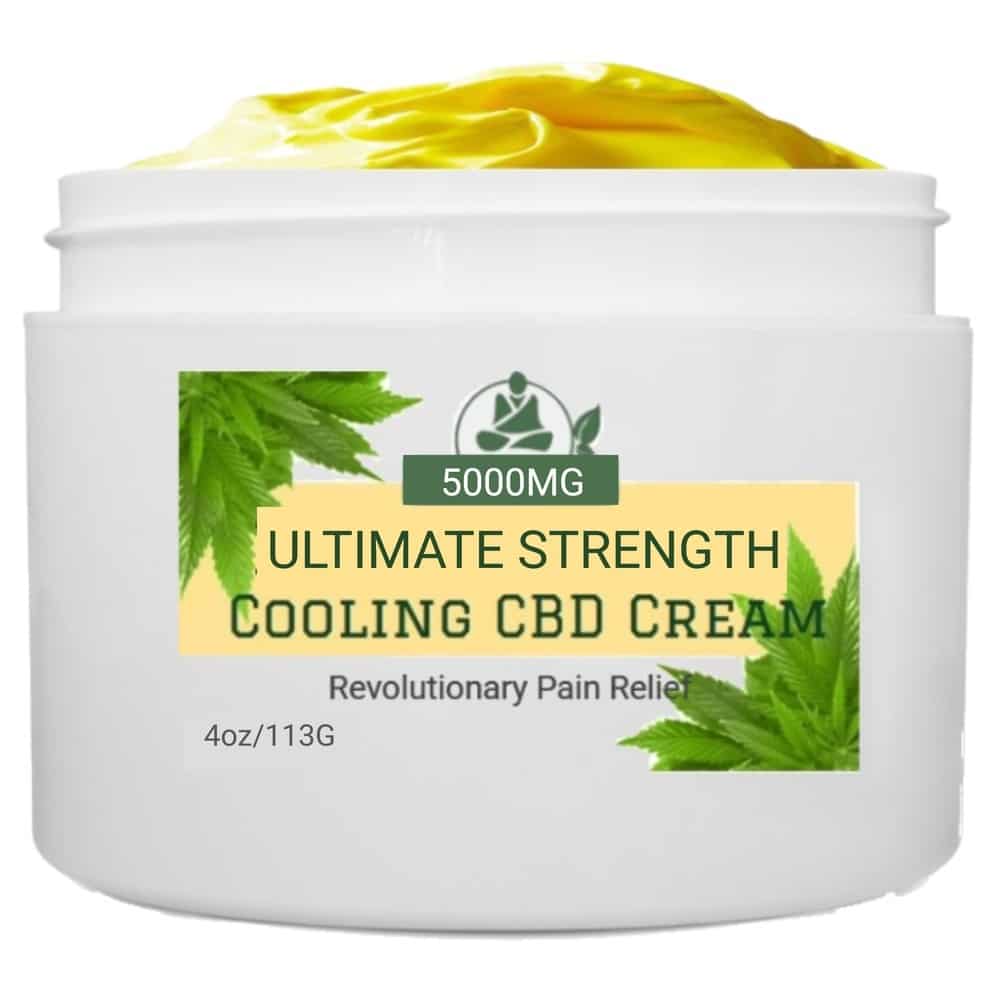
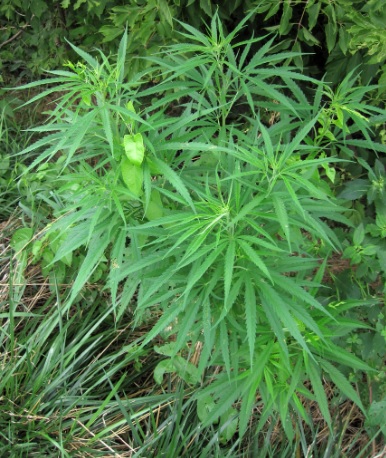
The attention being drawn towards CBD, a non-psychoactive compound from cannabis for its health benefits. Unlike THC, the psychoactive component of cannabis, CBD does not get you “high,” but is claimed to aid with various wellness problems. This has led to increased availability of the products such as the oils, tinctures, creams, edibles and the cosmetics to mention a few. Nevertheless, the legal aspects surrounding CBD are confusing, and vary from one country to another in Europe.
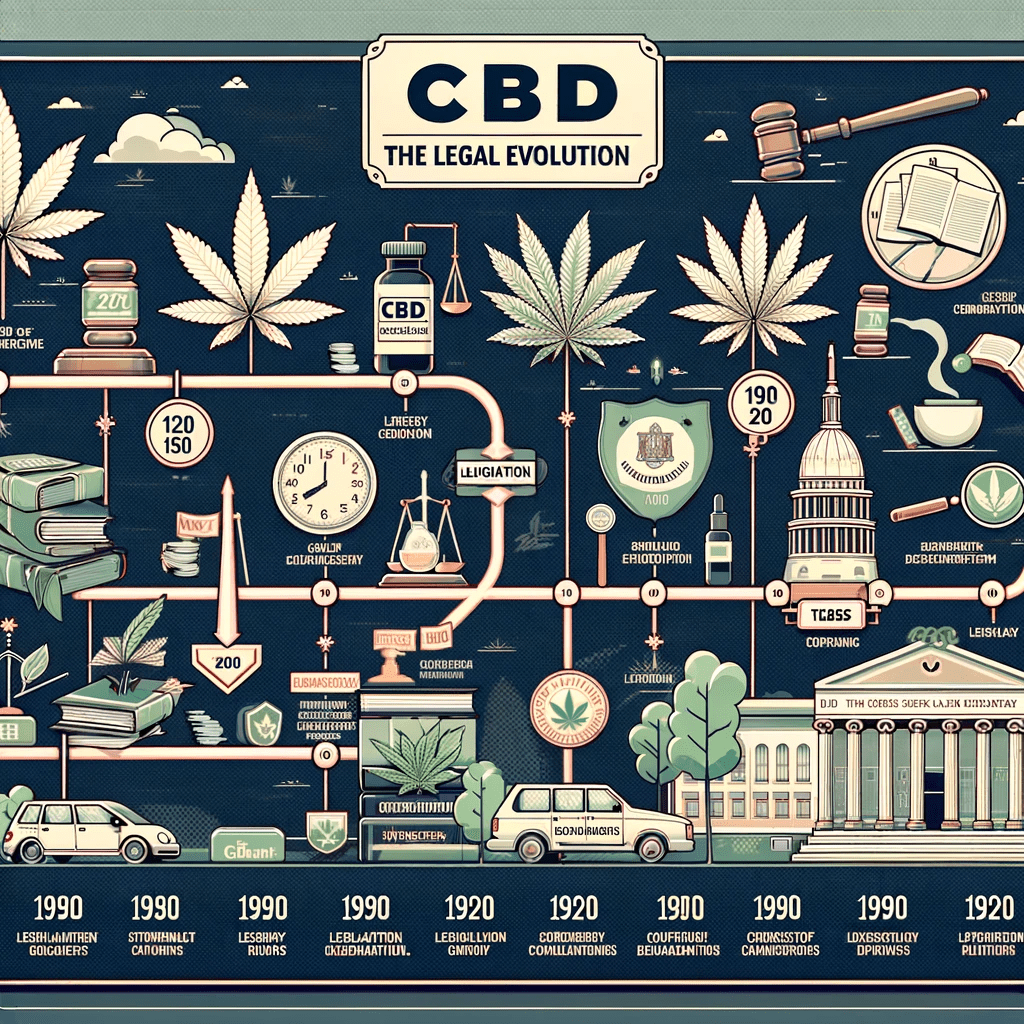
As we enter the 21st century, the legal status of cannabidiol (CBD) has become a hot topic of discussion. With its potential health benefits and increasing popularity, many are wondering about its legality and how it has evolved over the years. In this article, we will delve into the legal evolution of CBD in the 20th century, addressing any concerns or questions you may have on the matter. Get ready to uncover the perplexing history of CBD laws and regulations.
Welcome to the world of ancient civilizations where we explore the cultural significance of CBD. You may be intrigued by the increasing popularity of CBD in modern times, but did you know that its use dates back centuries? In this article, we will delve into the historical and cultural significance of CBD, addressing the curiosity and confusion surrounding this ancient substance.
Unlock the potential of CBD oil for chronic pain relief! Are you tired of dealing with constant discomfort? CBD oil may be the solution you’ve been seeking. With its natural properties, CBD oil has been gaining attention for its potential to alleviate chronic pain. Join me as we explore the power of CBD oil and how it can provide much-needed relief for those struggling with persistent pain.
Are you struggling to get a good night’s sleep? CBD oil has been creating quite a buzz lately, and for good reason. As someone who has battled with insomnia for years, I understand the frustration of tossing and turning all night. In this blog post, we’re going to delve into how CBD oil can potentially help tackle insomnia and improve the quality of your sleep. Let’s uncover the mystery behind this trending remedy.
The endocannabinoid system in our bodies is responsible for regulating various functions, including pain perception and inflammation. CBD interacts with the endocannabinoid receptors in our skin, promoting a sense of balance and potentially reducing swelling and pain.
Chronic arthritis pain is a persistent and often debilitating discomfort in the joints that can significantly impact one’s daily life. This condition is caused by inflammation and damage to the joints and can affect individuals of all ages and genders. According to the Arthritis Foundation, over 54 million adults in the United States have been diagnosed with some form of arthritis, making it the leading cause of disability in the country.
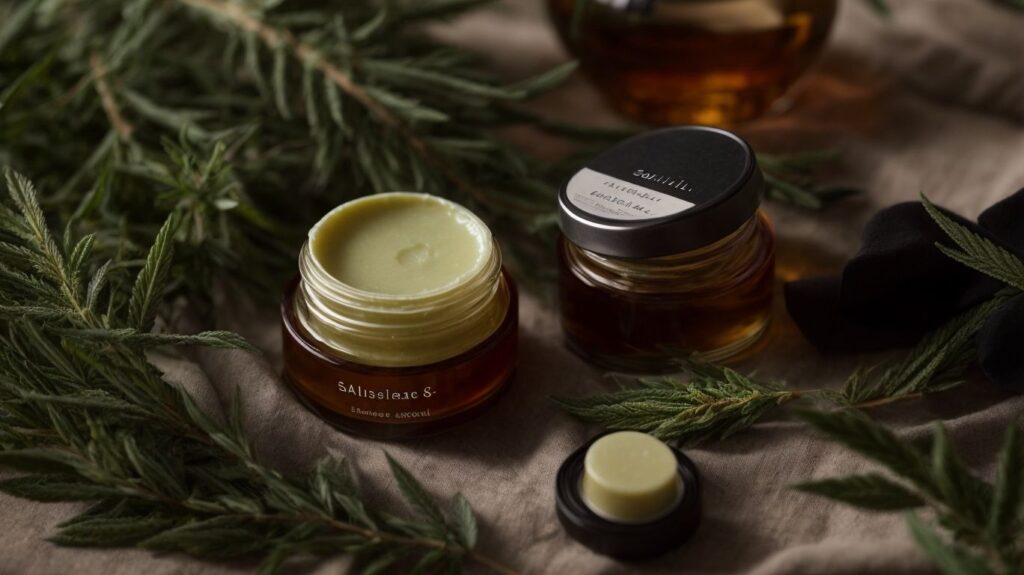
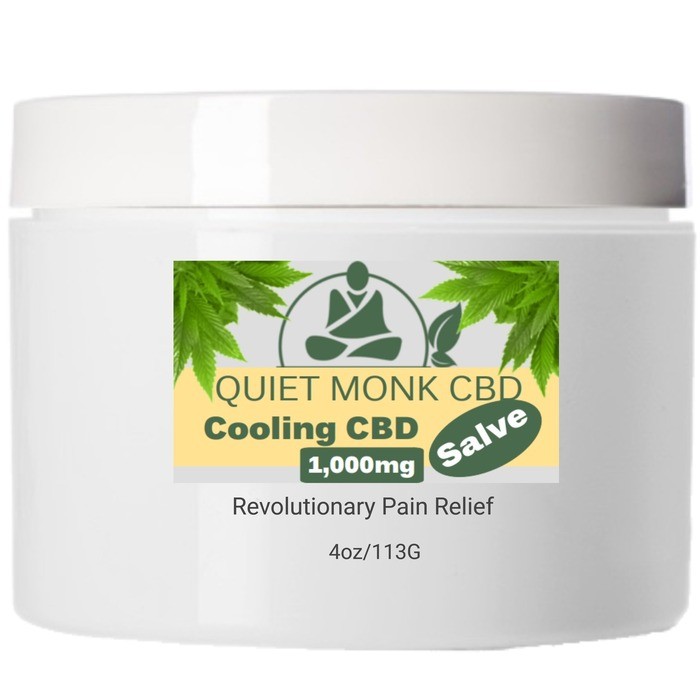
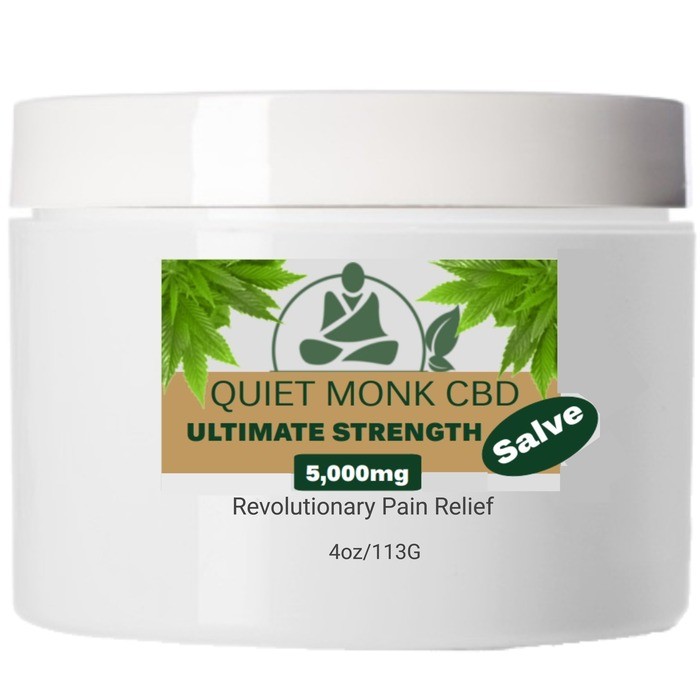
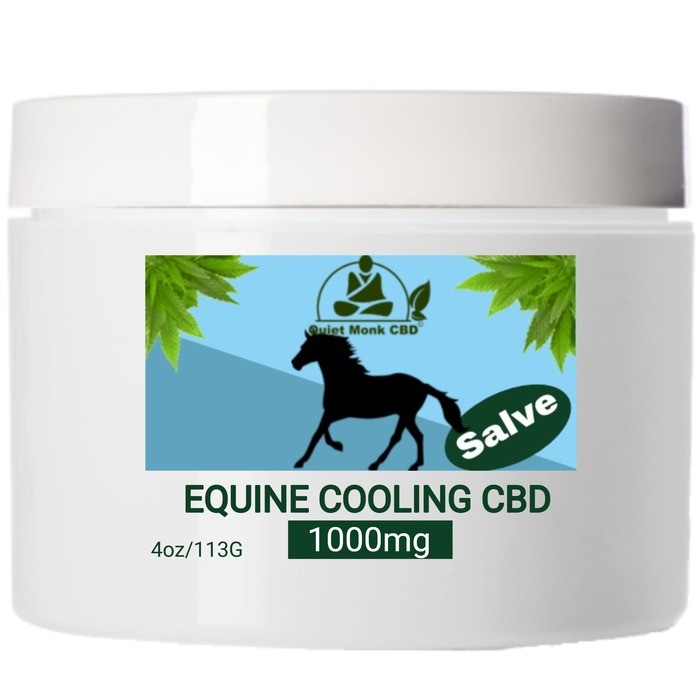
Understanding CBD Salve is crucial when determining the appropriate CBD concentration for your needs. A CBD balm or salve is a topical ointment infused with cannabidiol (CBD) extract derived from the hemp plant. It is primarily used for localized relief and applied directly to the skin to target specific areas of discomfort or inflammation.
The effectiveness of CBD salve depends on how it interacts with the body’s endocannabinoid system (ECS). When applied topically, the CBD binds to receptors in the skin, muscles, and tissues, helping to alleviate pain, reduce inflammation, and promote overall wellness.
Several factors come into play when determining the right CBD concentration for a salve. Firstly, consider the purpose of use and the specific condition you are targeting. Different concentrations may be more effective for certain issues. Secondly, take into account your personal sensitivity to CBD. Some individuals may require higher concentrations to achieve the desired effects, while others may be more sensitive and need lower concentrations.
When starting with a CBD balm or salve, it is recommended to begin with lower concentrations and gradually increase as needed. This allows for personalized adjustments based on individual responses and ensures optimal results. Seeking professional advice from a healthcare provider or CBD specialist can also provide valuable guidance in determining the right CBD concentration for your specific needs.
The importance of lab testing and product labeling cannot be overstated. Lab testing ensures potency, purity, and safety of the CBD salve, providing transparency and reliability. Interpreting product labels is essential to understand the CBD concentration per unit and to ascertain whether it aligns with your desired dosage.
Considerations such as targeted relief areas, skin sensitivity, severity of symptoms, and other medications or supplements being used should also be taken into account when determining the appropriate CBD concentration for your salve.
By understanding the basics of CBD salves, considering the relevant factors, and seeking professional advice if needed, you can make an informed decision regarding the CBD concentration that will best suit your individual needs.
Start with lower concentrations: It is recommended to begin with a CBD salve that has a lower concentration and gradually increase it as needed. This allows for better control over the effects and avoids potential sensitivities.
Consult a professional: Seeking advice from a healthcare professional or CBD expert can help determine the right CBD concentration for specific needs, taking into consideration factors such as purpose, desired effects, and personal sensitivity.
Consider individual needs and conditions: Factors like targeted relief, skin sensitivity, severity of symptoms, and the use of other medications or supplements should be considered when determining the appropriate CBD concentration for a salve.
Understanding CBD Salve
Understanding CBD Salve involves familiarizing yourself with its components, applications, and recommended dosage. CBD salve, a topical product, contains an infusion of cannabidiol (CBD) extract and other vital oils. Its primary uses encompass targeted pain relief, alleviation of inflammation, and enhancement of skincare. Determining the suitable dosage of CBD salve hinges on several factors such as CBD concentration, the gravity of the condition, and individual tolerance. Initiating with a small quantity is advisable, gradually augmenting it if necessary. Gaining a comprehensive understanding of CBD salve empowers individuals to make well-informed choices regarding its usage and potential advantages.
What is a CBD Salve?
What is a CBD Salve?
A CBD salve is a topical product infused with cannabidiol (CBD) extract. What makes it unique is its ability to provide localized relief from discomfort, inflammation, and skin conditions. By interacting with the body’s endocannabinoid system, the salve helps regulate various bodily functions. When selecting a CBD salve, it is important to consider factors such as the purpose of use, desired CBD concentration, and personal sensitivity to CBD. Starting with lower concentrations is recommended, with the option to gradually increase as needed. To ensure quality and safety, lab testing and product labeling are essential. Additionally, for specific needs, it is advisable to take into account targeted relief, skin sensitivity, severity of symptoms, and any other medications or supplements being used. It’s worth noting that CBD salves can also be used for relaxation and general skincare purposes.
CBD works by interacting with the endocannabinoid system (ECS) in our bodies. The ECS helps regulate various bodily functions such as pain, inflammation, and immune response. When applied topically, CBD in the salve binds to cannabinoid receptors in the skin, muscles, and tissues, activating the ECS and promoting balance. CBD salve can provide localized relief by reducing pain, inflammation, and discomfort in specific areas. It may also have moisturizing and soothing properties for the skin. It’s important to note that more research is needed to fully understand the mechanisms of how CBD topical salve works.
Factors to Consider
Considering various factors is crucial when determining the right CBD concentration in a salve. In this section, we will explore the key considerations that play a vital role in finding the ideal CBD concentration for your needs. We will delve into the purpose of use, the desired CBD concentration, and your personal sensitivity to CBD. By understanding these factors, you can make an informed decision to ensure the effectiveness and suitability of your CBD salve.
1. Purpose of Use
The purpose of use is a crucial factor to consider when selecting a CBD salve. CBD salves are specifically formulated for various purposes, including pain relief, reducing inflammation, and improving skincare. It is essential to determine your desired outcome with the salve and choose a product that caters to your needs. For instance, if you require targeted relief for joint pain, a salve containing additional pain-relieving elements like menthol or arnica could be advantageous. Remember to carefully read product labels and descriptions to ensure that the salve is suitable for your intended use.
2. Desired CBD Concentration
The desired CBD concentration is an important factor to consider when choosing the right product for your needs. Here is a table illustrating the different desired CBD concentrations and their effects:
CBD Concentration
Effects
Low (1-2%)
Provides mild relief for general discomfort
Medium (3-5%)
Offers moderate relief for targeted areas of pain or inflammation
High (6-10%)
Delivers strong relief for chronic pain or severe symptoms
Finding the right Desired CBD Concentration depends on your specific needs and tolerance. It’s recommended to start with a lower concentration and gradually increase if needed. Consult with a healthcare professional for personalized advice.
Incorporating the Desired CBD Concentration that suits your needs is essential for experiencing the desired benefits of a CBD salve.
As with any historical topic, accuracy and proper research are crucial. It’s important to delve into reliable sources and primary documents to gain a comprehensive understanding of history.
3. Personal Sensitivity to CBD
When considering the personal sensitivity to CBD, there are a few factors to keep in mind:
Dosage: Start with a low concentration and gradually increase to find the right balance for your body.
Reaction: Pay attention to how your body reacts to CBD. If you experience any adverse effects, such as drowsiness or irritability, adjust the dosage accordingly.
Other medications: If you are taking other medications, consult with a healthcare professional to ensure there are no potential interactions or conflicts.
Determining the Right CBD Concentration
When it comes to finding the perfect CBD concentration for a salve, it’s all about striking the right balance. In this section, we’ll dive into the art of determining the ideal CBD concentration. From starting with lower concentrations to gradually increasing it, up to seeking professional advice, we’ll explore various strategies that will help you navigate this dosage dilemma. Get ready to uncover the secrets of finding the optimal CBD concentration for your salve and unleash its full potential with the help of Quite Monk CBD.
1. Start with Lower Concentrations
Starting with lower concentrations is important when using CBD salves. It is recommended to start with a concentration of around 500mg per ounce of salve if you are new to CBD. This way, you can gauge your body’s response and gradually increase the concentration over time. Starting with lower concentrations can also help prevent any potential side effects or sensitivities to CBD. It’s always a good idea to consult with a healthcare professional for personalized advice based on your specific needs and health conditions. Remember, starting with lower concentrations and gradually increasing can help you find the right CBD concentration for optimal results.
2. Gradually Increase the CBD Concentration
When using a CBD salve, it is important to gradually increase the CBD concentration to find the optimal dosage for your needs. Here are the steps to follow:
Start with lower concentrations: Begin with a CBD salve that has a lower CBD concentration to assess your body’s response and tolerance.
Gradually increase the CBD concentration: If you find that the initial concentration is not providing the desired effects, slowly increase the CBD concentration in subsequent applications. Gradually increasing the CBD concentration allows for a more precise adjustment to achieve the desired results.
Seek professional advice: Consult with a healthcare professional or CBD specialist for guidance on the appropriate CBD concentration based on your specific needs and health condition.
By progressively increasing the CBD concentration, you can find the right dosage that provides the targeted relief you desire.
3. Seek Professional Advice
When it comes to effectively and safely using CBD salve, it is crucial to seek professional advice. Consulting with a healthcare provider or CBD specialist can offer valuable guidance that is tailored to your specific needs and circumstances. They can assist in determining the appropriate CBD concentration for the relief you desire, taking into consideration factors such as your symptoms, sensitivity to CBD, and any other medications or supplements you may be taking. Professionals can also provide advice on potential interactions and help you understand lab testing results and product labeling. Remember, seeking professional advice ensures a personalized approach to maximize the benefits of CBD salve. Pro-tip: It is always important to consult with a healthcare professional before incorporating CBD products into your wellness routine.
Importance of Lab Testing and Product Labeling
Lab testing and product labeling in the CBD industry play a crucial role in ensuring consumer safety and providing transparency. Understanding why lab testing is crucial and how to interpret product labels is essential for informed CBD product purchases. Delving into the specific sub-sections, we will uncover the importance of reliable lab testing and learn how to navigate the information provided on product labels. Let’s explore these aspects in detail to make more informed decisions when it comes to CBD salves.
Why Lab Testing is Crucial
Lab testing is crucial when it comes to CBD salves for several reasons. The reason why lab testing is crucial is that it ensures that the product contains the stated amount of CBD and is free from harmful contaminants. The primary significance of lab testing lies in ensuring the quality and safety for consumers. By conducting lab testing, transparency is provided to build trust between manufacturers and consumers. Additionally, lab testing enables consumers to make informed decisions and choose products that meet their needs effectively. Another important aspect of lab testing is its role in identifying potential allergens or substances that may interact with other medications or supplements. Ultimately, lab testing plays a vital role in ensuring the effectiveness and safety of CBD salves.
Interpreting Product Labels
When it comes to interpreting product labels on CBD salve, understanding the details is crucial. First and foremost, it is important to look for clear indications of CBD concentration, stated either in milligrams per container or per serving. Additionally, it is advisable to check for information regarding other ingredients, such as carrier oils or essential oils used in the formulation. To ensure the potency and purity of the product, it is essential to review any third-party lab testing results, if provided on the label. Lastly, reading the usage instructions or directions for optimal application is also significant. By considering these factors, you can make informed choices when selecting a CBD salve.
Considerations for Your Specific Needs
When it comes to choosing the right CBD salve for your needs, there are a few key considerations worth exploring. In this section, we’ll dive into what these considerations entail. From seeking targeted relief and addressing skin sensitivity, to understanding the severity of your symptoms and considering other medications or supplements, we’ll help you navigate the factors that will guide you toward finding the perfect CBD salve for your unique situation. So let’s jump in and unravel the world of CBD salves!
1. Targeted Relief
When using CBD salve for specific needs, it is important to consider targeted relief as one of the key factors.
To achieve targeted relief, start by identifying the specific area or symptom you want to address.
For this purpose, choose a CBD salve that contains ingredients known for their targeted relief properties, such as arnica or eucalyptus.
Gently massage the CBD salve directly onto the affected area and continue until it is fully absorbed.
Follow the recommended usage instructions, including the frequency and amount of salve to apply, to ensure optimal results.
Monitor the outcomes closely and make necessary adjustments to your usage as required, in order to achieve the desired targeted relief.
2. Skin Sensitivity
When choosing a CBD salve, it is crucial to take into account your skin sensitivity. Factors to keep in mind include:
Identify whether you have skin that is sensitive and may react to certain ingredients.
Search for salves that are specifically designed for sensitive skin or those that contain soothing elements like aloe vera or chamomile.
Think about conducting a patch test on a small area of your skin before applying the salve to a larger area.
If you have any concerns about your skin sensitivity or experience any adverse reactions, consult with a dermatologist or healthcare professional.
3. Severity of Symptoms
The severity of symptoms should be carefully considered when selecting the appropriate CBD salve. It is important to take into account the following factors:
Severity of Symptoms
High
Moderate
Low
In cases of high severity, it is advisable to choose a CBD salve with a higher concentration in order to achieve maximum relief. For symptoms of moderate severity, a salve with a medium concentration may be sufficient. On the other hand, for low severity symptoms, a CBD salve with a lower concentration may be more suitable. Keep in mind that seeking personalized advice from a healthcare professional based on your specific symptoms is essential. It is a well-known fact that the severity of symptoms can greatly vary among individuals, highlighting the importance of finding the right CBD concentration for effective relief.
When using CBD salve, it is important to consider any other medications or supplements you may be taking, to ensure the safe and effective use of CBD salve alongside them. Here are some factors to consider about other medications or supplements:
Interactions: Certain medications or supplements can interact with CBD, either amplifying its effects or diminishing its effectiveness.
Consultation: It is advisable to consult with a healthcare professional before using CBD salve if you are taking any other medications or supplements. This consultation will help ensure there are no known interactions or contraindications.
Timing: Timing and spacing out the use of CBD salve and other medications or supplements may be necessary to avoid potential interactions.
By taking these factors into account, you can ensure the safe and effective use of CBD salve alongside any other medications or supplements you may be using.
Some Facts About How Much CBD Should Be in a Salve:
✅ Topical CBD salves typically contain a concentration of CBD ranging from 250 to 1500 milligrams per ounce.(Source: Our Team)
✅ The potency of CBD salves can vary depending on the desired effects and individual preferences.(Source: Our Team)
✅ It is recommended to start with a lower concentration of CBD in a salve and gradually increase as needed.(Source: Our Team)
✅ The amount of CBD in a salve can depend on factors such as the intended use, targeted area, and personal tolerance.(Source: Our Team)
✅ Consulting with a healthcare professional or CBD expert can provide guidance on determining the appropriate amount of CBD for a salve. (Source: Our Team)
Hemp extract, also commonly known as CBD oil, is a natural compound derived from the hemp plant. It has gained significant popularity for its potential health benefits and its use in various industries. To understand hemp extract, we will first need to explore its definition and composition.
CBD, short for cannabidiol, has gained significant attention in recent years for its potential health benefits. There is often confusion surrounding the legal status of CBD in specific states. In the case of Illinois, it is essential to understand the regulations in place before purchasing or using CBD products. This article aims to provide clarity on the legal status of CBD in Illinois and guide readers through the current laws and regulations. information on where to purchase CBD products and the restrictions and requirements imposed by the state will also be covered. Let’s delve into the details surrounding the legality of CBD in Illinois and empower individuals to make informed decisions.
Key takeaway:
CBD is legal in Illinois: CBD, or cannabidiol, is legal in Illinois for both medical and recreational use. This means that residents of Illinois can purchase and use CBD products without fear of legal repercussions.
Different sources of CBD have different legal statuses: CBD derived from hemp is legal in Illinois, while CBD derived from marijuana is not. It’s important for consumers to understand the source of the CBD they are purchasing to ensure it is legal in the state.
Laws and regulations exist for CBD in Illinois: There are age restrictions for purchasing CBD in Illinois, and the state has a medical marijuana program. There are labeling and testing requirements that CBD products must meet in order to be sold legally in the state.
Understanding the Legal Status of CBD
CBD is legal in Illinois if it contains less than 0.3% THC, the psychoactive compound in cannabis. The state allows the cultivation, sale, and use of CBD products that meet this criteria. It is important to have a clear understanding of the legal status of CBD. It is advisable to research the specific laws in your location, as the legality of CBD may vary in other states. To ensure compliance with the law and to guarantee quality, it is recommended to purchase CBD products from reputable sources. Obtaining a proper understanding of the legal status of CBD empowers individuals to make informed decisions about its use.
What is CBD?
CBD, also known as cannabidiol, is a compound that can be found in the cannabis plant. It is one of the many cannabinoids present in the plant, each with their own unique effects on the body. Unlike THC, another well-known cannabinoid, CBD does not produce a sensation of being “high.” This characteristic has contributed to CBD gaining popularity, as it is considered to have potential therapeutic benefits.
Research indicates that CBD may possess properties that are anti-inflammatory, analgesic, and anxiety-relieving. It has been utilized to alleviate symptoms associated with conditions such as chronic pain, epilepsy, and anxiety disorders. CBD is available in various forms, including oils, tinctures, capsules, and topicals.
It is essential to note that CBD can be derived from either hemp or marijuana. When sourced from hemp, CBD that contains less than 0.3% THC is legal on the federal level in the United States. It is essential to be aware that the legal status of CBD can vary depending on the state. In Illinois, for example, CBD derived from hemp is legal, while CBD derived from marijuana is only permissible for medical marijuana patients.
Legalization of CBD in the United States
The legalization of CBD in the United States is a significant development. CBD, or cannabidiol, is derived from the cannabis plant and is popular for its potential health benefits. It is important to note that the legality of CBD in the United States depends on its source.
CBD derived from hemp is federally legal in the United States thanks to the 2018 Farm Bill, which removed hemp from the Controlled Substances Act. This allows for the legal cultivation, production, and sale of hemp-derived CBD products. Hemp-derived CBD must have less than 0.3% THC, the psychoactive compound in cannabis.
On the other hand, the legality of CBD derived from marijuana varies by state. Some states have legalized marijuana for both medical and recreational use, while others have only legalized it for medical purposes. In states where marijuana is legal, CBD derived from marijuana is also legal.
It is important to understand the specific laws regarding CBD in each state, including Illinois, to ensure compliance with local regulations. In Illinois, CBD derived from hemp is legal, but CBD derived from marijuana is only legal for medical purposes. Consumers can purchase CBD from authorized dispensaries or retail stores.
Current Laws and Regulations in Illinois
Current laws and regulations in Illinois regarding CBD are as follows:
Possessing and consuming CBD products in Illinois is legal if they contain no more than 0.3% THC.
Dispensaries in Illinois are authorized to sell CBD products for medical and adult-use purposes. Check for proper licensing and certifications.
Consumers should ensure CBD products are sourced from licensed producers and comply with labeling requirements set by the Illinois Department of Agriculture.
Illinois has a comprehensive system for regulating the cultivation, processing, and sale of CBD products to ensure quality, safety, and consumer protection.
Be aware of local regulations and restrictions, as some municipalities in Illinois may have additional rules regarding the sale and use of CBD products.
Fact: Illinois has created a well-regulated CBD market, providing consumers with access to safe and legal CBD products.
Is CBD Derived from Hemp Legal in Illinois?
CBD derived from hemp is indeed legal in Illinois. Thanks to the 2018 Farm Bill, hemp has been removed from the list of controlled substances and is now considered an agricultural commodity. Consequently, CBD derived from hemp can be legally possessed, sold, and consumed in Illinois, as long as it contains less than 0.3% THC.
In Illinois, the cultivation and processing of hemp are regulated by the Department of Agriculture, while the licensing of dispensaries and retailers selling CBD products falls under the jurisdiction of the Department of Financial and Professional Regulation.
It is important to be aware that the FDA has not yet approved CBD as a food additive or dietary supplement. Therefore, it is crucial to purchase CBD products from reputable sources that offer third-party lab testing to ensure both product safety and accurate labeling.
Allow me to introduce you to Sarah, a resident of Illinois who experienced chronic pain due to a medical condition. After thorough research, Sarah decided to give CBD derived from hemp a try. She consulted her doctor and purchased a CBD oil from a licensed dispensary. Fortunately, Sarah found significant relief from her pain by using the CBD oil and was able to effectively manage her symptoms. Sarah truly appreciates the legalization of CBD derived from hemp in Illinois, as it granted her a natural alternative for pain management.
Is CBD Derived from Marijuana Legal in Illinois?
CBD derived from marijuana is legal in Illinois for adults aged 21 and older. It can be purchased from state-licensed dispensaries, but it is illegal to buy from unauthorized sources. It is important to purchase from a licensed dispensary to ensure the product meets safety and quality regulations.
Where Can You Purchase CBD in Illinois?
Looking to get your hands on some CBD in Illinois? Wonder no more! This section has got you covered with all the deets on where to purchase CBD in the Land of Lincoln. From dispensaries boasting a wide range of products to retail stores catering to CBD enthusiasts, we’ll explore the hotspots that offer this popular cannabinoid. So, whether you prefer the expertise of a dispensary or the convenience of a retail store, we’ll help you navigate your way towards your CBD purchase in Illinois. Let’s dive in!
Dispensaries
When purchasing CBD in Illinois, you have two options: dispensaries and retail stores.
Dispensaries specialize in selling cannabis products, including CBD. They are regulated by the state and require customers to show proper identification and medical marijuana cards if applicable. Dispensaries offer a range of CBD products, such as tinctures, edibles, topicals, and more. Some dispensaries may only serve customers registered in the state’s medical marijuana program.
Retail stores in Illinois now carry CBD products, including health food stores, vape shops, and convenience stores. Customers do not need a medical marijuana card to purchase products at retail stores. It is advisable to check the reputation and quality of the brand before making a purchase.
If you want a wide selection of CBD products and expert advice, dispensaries are a good option. If convenience and accessibility are important to you, retail stores may be more suitable. Remember to research, read reviews, and ensure that the products you are considering meet your specific needs and preferences.
Retail stores are essential for the availability of CBD products in Illinois. They offer a convenient option for consumers to purchase CBD.
Retail stores, including health food stores and specialty CBD shops, have a wide variety of CBD products such as oils, capsules, edibles, and topicals. These stores cater to different preferences and needs, ensuring that customers have a range of options.
When shopping at retail stores, it is crucial to ensure that CBD products come from reputable manufacturers and have accurate labeling with CBD content and ingredients. Retailers should also provide information on testing and quality control measures for product safety and effectiveness. Purchasing from trusted retail stores gives customers confidence in the quality and legality of the CBD products they purchase.
The CBD market has experienced significant growth in recent years, and retail stores have played a vital role in meeting the growing demand. With the expansion of the industry, more retail stores are expected to offer CBD products, giving consumers more options and easier access. When buying CBD in Illinois, it is advisable to visit retail stores that specialize in CBD products to find the right product for your specific needs.
What are the Restrictions and Requirements for CBD in Illinois?
Discover the ins and outs of CBD in Illinois as we uncover the restrictions and requirements surrounding its usage. From age limitations to the state’s medical marijuana program and the stringent labeling and testing regulations, we’ll dive into the details you need to know. So, whether you’re a user or simply curious, we’ve got you covered with all the essential information on CBD in Illinois.
Age Restrictions
In Illinois, age restrictions exist for purchasing and consuming CBD products. It is important to follow these regulations to comply with the law. Minors under 21 cannot buy or possess CBD products in Illinois. This applies to both hemp-derived and marijuana-derived CBD.
These age restrictions protect the well-being of minors and ensure responsible use of CBD products. Retail stores and dispensaries must check ID to confirm customers’ age before selling CBD products.
Illinois enforces age restrictions to prevent minors from accessing CBD, as its effects on developing brains are still being studied. It is crucial for parents and guardians to be aware of and educate their children about these age restrictions and the potential risks and benefits of CBD.
Medical Marijuana Program
The Medical Marijuana Program in Illinois provides medical cannabis for qualifying patients. Here are important details about the program:
Patients must have a qualifying medical condition.
A registered physician must give them a certification.
Patients then submit an application and necessary documents to the Department of Public Health.
If approved, patients receive a medical cannabis registry identification card.
Registered patients can buy medical cannabis from licensed dispensaries.
There is a possession limit of 2.5 ounces of cannabis in a 14-day period.
Caregivers can assist patients and must also register.
Regulations include restrictions on driving under the influence and prohibited public use.
The program’s goal is to provide safe access to medical cannabis. Patients should be aware of the program’s regulations to comply with them.
Labeling and Testing Requirements
The labeling and testing requirements are essential for consumer safety and product transparency in Illinois. The Illinois Department of Agriculture mandates that all CBD products sold in the state must be properly labeled and tested.
In terms of labeling requirements, the product’s name, net weight or volume, and ingredient list must be included. It should clearly state whether the product is derived from hemp or marijuana. The label must also feature a scannable QR code or web address that provides detailed information about the product’s testing results, including the levels of THC, CBD, and other cannabinoids. Any warnings or precautions for use should be included on the label.
Turning to testing requirements, CBD products in Illinois must undergo testing by a certified laboratory to ensure adherence to quality and safety standards. The testing should encompass potency, contaminants, and consistency. Potency testing guarantees that the CBD content matches the label claims while also ensuring that the THC levels are within the legal limit. Contaminant testing checks for the presence of pesticides, heavy metals, and solvents, thereby guaranteeing product safety. Consistency testing ensures that each batch of product is uniform in content and quality.
By adhering to these labeling and testing requirements, consumers can make well-informed decisions regarding the CBD products they purchase, knowing that they are safe and accurately labeled. It allows for regulatory oversight and quality control in the CBD industry in Illinois.
Some Facts About Is CBD Legal In Illinois:
✅ Illinois legalized hemp-derived CBD products with less than 0.3% THC.
✅ The sale and distribution of CBD products is legal in Illinois, and there are no restrictions on the types of CBD products that can be manufactured and sold.
✅ CBD products in Illinois must meet labeling requirements set by the Illinois Food, Drug, and Cosmetic Act.
✅ CBD products are widely available in dispensaries, drugstores, grocery stores, and smoke shops in Illinois.
✅ It is legal to purchase CBD online for at-home delivery in Illinois.
Frequently Asked Questions
Is CBD legal in Illinois?
Yes, CBD is legal in Illinois. The state has passed several laws regarding CBD, including the Illinois Industrial Hemp Act and the Cannabis Regulation and Tax Act, which legalized hemp-derived CBD products with less than 0.3% THC and cannabis for both recreational and medicinal purposes, respectively.
Is recreational marijuana legal in Illinois?
Yes, Illinois legalized recreational marijuana in January 2020. Adults aged 21 and older can purchase marijuana from state-licensed dispensaries and possess up to one ounce of marijuana and 500 mg of THC in marijuana-infused products.
Can CBD result in a false positive on a drug test?
No, CBD should not result in a false positive on a drug test as long as it contains 0.3% THC or less. THC and its metabolites can show up on a drug test if present in the body.
How can I buy CBD in Illinois?
CBD products can be purchased over the counter without a medical marijuana card in Illinois. They are widely available at licensed dispensaries, health food stores, online, and other retailers.
What qualifications are needed for medical marijuana use in Illinois?
To use medical marijuana in Illinois, individuals must have a valid ID card, a medical marijuana card, and a licensed physician’s recommendation. The state has a list of eligible medical conditions for which CBD is permitted.
Can I grow my own marijuana or CBD-rich hemp plants in Illinois?
Registered patients in Illinois can grow up to 5 marijuana or CBD-rich hemp plants at home. The state allows the cultivation and processing of industrial hemp with the proper licenses and permits.
This is not legal advice. Please consult with your State and local laws.
Hawaii has different regulations for CBD derived from hemp and CBD derived from marijuana. CBD derived from hemp, which contains less than 0.3% THC (the psychoactive compound in cannabis), is legal in Hawaii. On the other hand, CBD derived from marijuana, which contains more than 0.3% THC, is regulated differently.
To fully grasp the legal framework surrounding CBD in Hawaii, it is crucial to examine the regulations and restrictions imposed by the state. This includes understanding where CBD can be purchased legally and the potential health benefits associated with its usage. By the end of this article, readers will have a comprehensive understanding of whether CBD is legal in Hawaii and the factors that contribute to its legality.
Key takeaway:
CBD is legal in Hawaii: Both CBD derived from hemp and CBD derived from marijuana are legal in Hawaii.
Purchase CBD from authorized sources: CBD can be purchased from licensed dispensaries, as well as online retailers that comply with state and federal laws.
An overview of CBD can help you understand its uses and benefits. Here are some important facts about CBD:
CBD stands for cannabidiol, which is a natural compound found in the cannabis plant.
It is one of over 100 cannabinoids present in the cannabis plant.
CBD is non-psychoactive, meaning it does not produce the “high” associated with marijuana.
It is commonly extracted from hemp, a variety of the cannabis plant that contains low levels of THC, the psychoactive compound.
CBD has been used for various purposes, including relieving pain, reducing anxiety and depression, alleviating cancer-related symptoms, and promoting overall well-being.
Research suggests that CBD may have anti-inflammatory, analgesic, and neuroprotective properties.
Many people use CBD as a natural alternative to traditional pharmaceutical medications.
CBD products come in various forms, including oils, tinctures, capsules, edibles, and topicals.
The effectiveness of CBD may vary depending on factors such as dosage, method of consumption, and individual response.
It is important to consult with a healthcare professional before using CBD, especially if you have any underlying medical conditions or are taking medication.
While CBD has shown promise in various studies, more research is needed to fully understand its potential benefits and long-term effects. It is always advisable to purchase CBD products from reputable sources and ensure they undergo third-party testing for quality and purity.
What is the current legal status of CBD in Hawaii?
The current legal status of CBD in Hawaii is regulated by both state and federal laws. In Hawaii, CBD derived from hemp is legal for both medicinal and recreational use, as long as it contains less than 0.3% THC. CBD derived from marijuana, however, is only legal for medical use and requires a prescription from a registered healthcare provider.
Under the federal law, CBD products derived from hemp were legalized with the passage of the 2018 Farm Bill. This legislation removed hemp from the list of controlled substances, allowing for the production and sale of hemp-derived CBD products across the country.
In Hawaii, residents and visitors can find a wide range of CBD products, including oils, tinctures, edibles, topicals, and more. However, it is important to purchase CBD products from reputable sources to ensure their quality and legality.
It is worth noting that the regulations regarding CBD are constantly evolving, and it is important to stay informed about any changes in the legal status. As of now, CBD derived from hemp is legal in Hawaii, but it is always a good idea to consult with local laws or legal professionals for the most up-to-date information.
Amy, a Hawaii resident, had been struggling with chronic pain due to a sports injury. She had heard about the potential benefits of CBD for pain relief and decided to give it a try. However, she was unsure about the legal status of CBD in Hawaii and wanted to make sure she was in compliance with the law.
Amy did some research and discovered that CBD derived from hemp was legal in Hawaii as long as it contained less than 0.3% THC. She found a trusted local CBD retailer who provided lab reports to ensure the quality and legality of their products.
After using CBD for a few weeks, Amy noticed a significant reduction in her pain levels. This allowed her to enjoy activities she had previously been unable to participate in. She was grateful for the legal access to CBD in Hawaii and the positive impact it had on her well-being.
Amy now recommends CBD to her friends and family who are also struggling with chronic pain, always reminding them to do their own research and purchase from reputable sources.
Is CBD derived from hemp legal in Hawaii?
Yes, CBD derived from hemp is legal in Hawaii. In 2014, the state adopted the federal Farm Bill, which legalized the production and sale of hemp-derived CBD products containing less than 0.3% THC. This means that as long as the CBD product meets this THC threshold and is derived from hemp, it is considered legal in Hawaii.
It should be noted that the legal status of CBD derived from marijuana is different. In Hawaii, marijuana is decriminalized for medical use, but it is still illegal for recreational use. Therefore, CBD derived from marijuana is only legal for qualified medical patients who have obtained a medical marijuana card.
The regulations and restrictions on CBD in Hawaii primarily focus on labeling and testing requirements. CBD products, whether derived from hemp or marijuana, must be properly labeled with accurate information regarding CBD content, THC content, and other ingredients. Additionally, these products are subject to testing for purity and potency to ensure consumer safety.
If you are looking to purchase CBD products in Hawaii, there are various options available. You can find CBD products in licensed dispensaries for medical marijuana patients. Additionally, many health and wellness stores, as well as online retailers, offer a wide range of hemp-derived CBD products, including oils, tinctures, edibles, and topicals.
As for the potential health benefits of CBD, research suggests that it may have therapeutic effects for various conditions, including chronic pain, anxiety, epilepsy, and inflammation. However, it is important to note that the FDA has not approved CBD for the treatment of any specific medical condition, and more research is needed to fully understand its benefits and risks.
In Hawaii, the legal status of CBD derived from marijuana is not straightforward. Is CBD derived from marijuana legal in Hawaii? While the state has legalized the use of medical marijuana, the laws surrounding CBD derived from marijuana are complex.
1. Possession and Use: It is legal for registered medical marijuana patients to possess CBD derived from marijuana in Hawaii. These patients can obtain CBD products from state-certified dispensaries, provided they have a valid medical marijuana card.
2. Recreational Use: The recreational use of marijuana, including CBD derived from marijuana, is illegal in Hawaii. Possession of marijuana without a valid medical marijuana card is considered a criminal offense.
3. Federal Law: It is important to note that even though medical marijuana is legal in Hawaii, CBD derived from marijuana is still considered illegal under federal law. This creates a conflict between state and federal regulations, which can lead to confusion and potential legal issues.
4. Legal Restrictions: CBD derived from marijuana is subject to strict regulations in Hawaii. It must be obtained from a state-licensed dispensary, and patients must adhere to dosage limits and other requirements set by the state’s medical marijuana program.
5. Legal Consequences: Possessing or using CBD derived from marijuana without a valid medical marijuana card can result in legal consequences, including fines and potential imprisonment. It is essential to understand the laws and regulations surrounding CBD derived from marijuana in Hawaii to avoid any legal complications.
Given the legal complexities and potential consequences, it is crucial to consult with a legal professional or healthcare provider before considering the use of CBD derived from marijuana in Hawaii. They can provide guidance on the legality and appropriate usage of CBD products based on individual circumstances.
What are the regulations and restrictions on CBD in Hawaii?
When it comes to CBD regulations and restrictions in Hawaii, it’s important to stay informed to ensure you are complying with the law. Here are the key points to understand:
1. Legal Status: CBD is legal in Hawaii as long as it is derived from industrial hemp and contains no more than 0.3% THC, the psychoactive compound found in cannabis. Any CBD product that meets these criteria is considered legal for purchase, possession, and use.
2. Age Restrictions: In Hawaii, you must be at least 18 years old to purchase or possess CBD products. Retailers are required to verify the age of customers before selling CBD to them.
3. Licensing and Testing: CBD products sold in Hawaii must be produced by licensed manufacturers and undergo testing for safety and potency. This ensures that the products are free from contaminants and accurately labeled.
4. Labeling Requirements: CBD products in Hawaii must be properly labeled with information such as the CBD content, the THC content, and any other relevant ingredients. The labels should also include the name and contact information of the manufacturer or distributor.
5. Restrictions on CBD-infused Food and Beverages: As of now, CBD-infused food and beverages are not permitted for sale in Hawaii. However, there are ongoing discussions and potential changes to these regulations, so it is important to stay updated on any developments.
6. Medical CBD: Hawaii has a medical marijuana program that allows patients with qualifying conditions to access CBD products with higher THC levels. Medical CBD users must obtain a valid medical marijuana card to purchase and use these products.
7. Traveling with CBD: If you are traveling to Hawaii, it is important to note that CBD laws may vary from state to state. It is recommended to research and understand the specific regulations of both your departure and destination locations to ensure compliance.
For further information or clarification on specific CBD regulations in Hawaii, it is recommended to consult official government sources or legal professionals.
Remember to always prioritize your well-being and consult a healthcare professional before incorporating CBD into your routine.
Note: The information provided above is accurate as of the time of writing and is subject to change. Please refer to official sources for the most up-to-date information regarding CBD regulations in Hawaii.
Where can you purchase CBD in Hawaii?
CBD is legally available in Hawaii and can be purchased from various locations throughout the state. Where can you purchase CBD in Hawaii? Here are some places where you can find CBD products in Hawaii:
Health food stores: Many health food stores in Hawaii carry CBD products. These stores focus on natural and organic products, making them a good place to find high-quality CBD options.
Wellness centers:Wellness centers that offer alternative therapies often sell CBD products as well. These centers may also provide information and guidance on the use of CBD for various health conditions.
CBD specialty shops: There are dedicated CBD shops that specialize in selling a wide range of CBD products. These stores offer a variety of options and knowledgeable staff who can assist you in finding the right CBD product for your needs.
Online retailers: With the rise in popularity of CBD, many online retailers now offer shipping to Hawaii. This provides a convenient and accessible option for those who prefer to purchase Quiet Monk CBD products from the comfort of their own homes.
Farmers’ markets: Hawaii is known for its vibrant farmers’ markets, and some vendors may offer CBD-infused products alongside their locally grown produce. It’s a great opportunity to support local businesses while purchasing CBD.
Cannabis dispensaries: While recreational marijuana is not yet legal in Hawaii, medical marijuana is, and licensed dispensaries are allowed to sell CBD products with low THC levels. These dispensaries require a valid medical marijuana card for purchase.
When purchasing CBD in Hawaii, it’s important to ensure that the products you choose are tested for quality and potency. Look for brands that provide third-party lab results to validate the CBD content and check for any potentially harmful contaminants.
Remember, it’s always a good idea to consult with a healthcare professional before incorporating CBD into your wellness routine, especially if you have any pre-existing medical conditions or are taking medications that may interact with CBD.
What are the potential health benefits of CBD?
What are the potential health benefits of CBD for relief from chronic pain? CBD has been found to have analgesic properties and can help in reducing chronic pain. Studies have shown that CBD can interact with receptors in the brain and immune system, reducing inflammation and alleviating pain. It can be a potential alternative to traditional pain medications that may have harmful side effects.
What are the potential health benefits of CBD for reduced anxiety and depression? CBD has been shown to have anxiolytic and antidepressant effects. It can help in reducing anxiety and improving mood by interacting with serotonin receptors in the brain. This may be beneficial for individuals with conditions such as generalized anxiety disorder, social anxiety disorder, and depression.
What are the potential health benefits of CBD for improved sleep? CBD has been found to have sleep-inducing and sleep-enhancing properties. It can help in regulating sleep patterns and improving the quality of sleep. This can be beneficial for individuals with insomnia or other sleep disorders.
What are the potential health benefits of CBD for reduced seizures in epilepsy? CBD has gained attention for its potential in reducing the frequency and severity of seizures in individuals with epilepsy. In fact, the FDA has approved a CBD-based medication for the treatment of certain types of epilepsy. CBD interacts with the brain’s receptors to regulate and stabilize electrical activity, reducing the occurrence of seizures.
What are the potential health benefits of CBD for its anti-inflammatory properties? CBD has been shown to have anti-inflammatory effects, which can be beneficial for individuals with conditions such as arthritis or inflammatory bowel disease. It can help in reducing inflammation and associated pain.
What are the potential health benefits of CBD for neurological disorders? Preliminary research suggests that CBD may have neuroprotective properties and could potentially benefit individuals with neurodegenerative disorders such as Alzheimer’s disease or Parkinson’s disease. It may help in reducing oxidative stress and inflammation in the brain.
What are the potential health benefits of CBD in combatting addiction? CBD may have potential in helping individuals with substance abuse disorders by reducing cravings and withdrawal symptoms. It can interact with the brain’s reward system to modulate the effects of drugs or addictive substances.
What are the potential health benefits of CBD for skincare? CBD has been increasingly used in skincare products due to its potential anti-inflammatory and antioxidant properties. It may help in reducing inflammation, acne, and skin sensitivity.
What are the potential health benefits of CBD for mental health conditions? CBD may have potential in managing symptoms of conditions such as post-traumatic stress disorder (PTSD) and obsessive-compulsive disorder (OCD). It can help in reducing anxiety and intrusive thoughts.
Some Facts about “Is CBD Legal in Hawaii?”:
✅ CBD is legal to possess and consume in Hawaii as long as it is hemp-derived and contains 0.0-0.3% THC.(Source: Our Team)
✅ There are no possession limits on hemp-derived CBD in Hawaii if it contains less than 0.3% THC.(Source: Our Team)
✅ Only registered medical marijuana patients with qualifying health conditions and medical marijuana cards can use cannabis-derived CBD products in Hawaii.(Source: Our Team)
✅ Hemp cultivation, processing, and sale of hemp-derived products are allowed in Hawaii under the 2018 United States Farm Bill.(Source: Our Team)
✅ CBD products sourced from hemp can be purchased from local stores and online in Hawaii.(Source: Our Team)
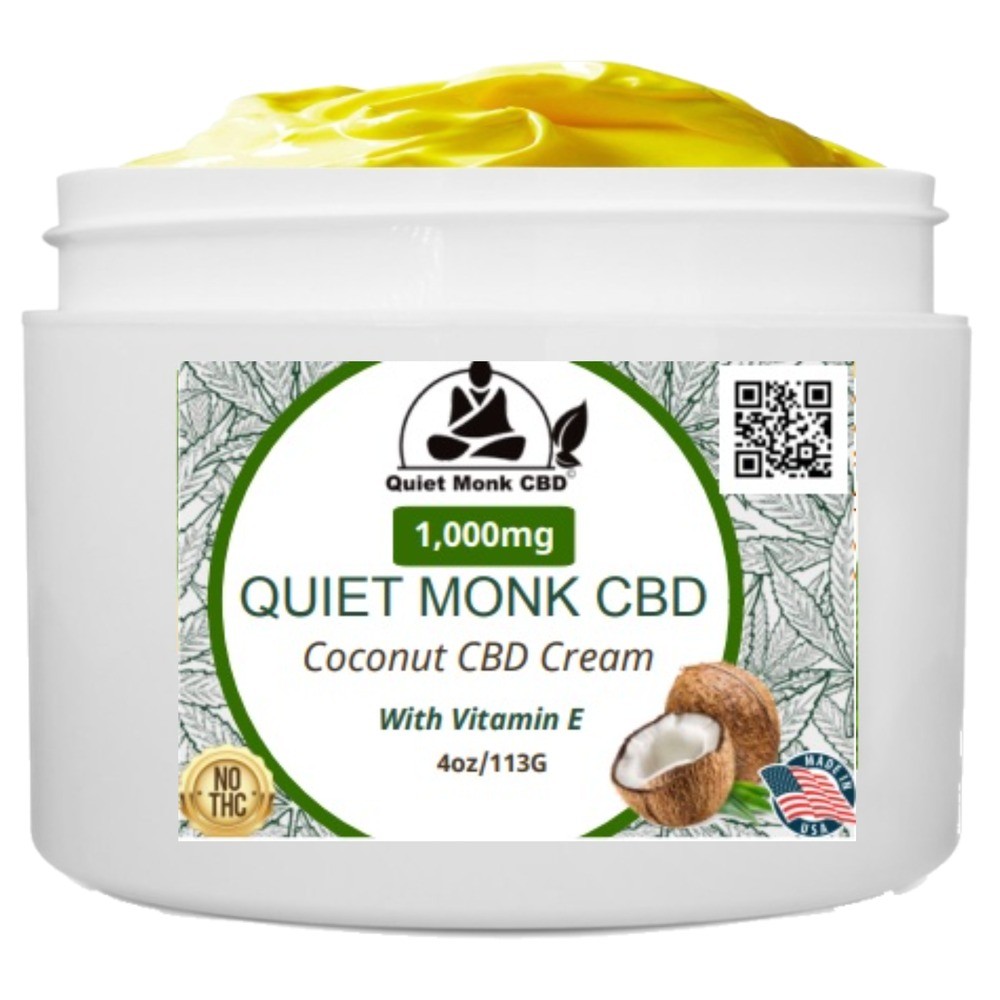
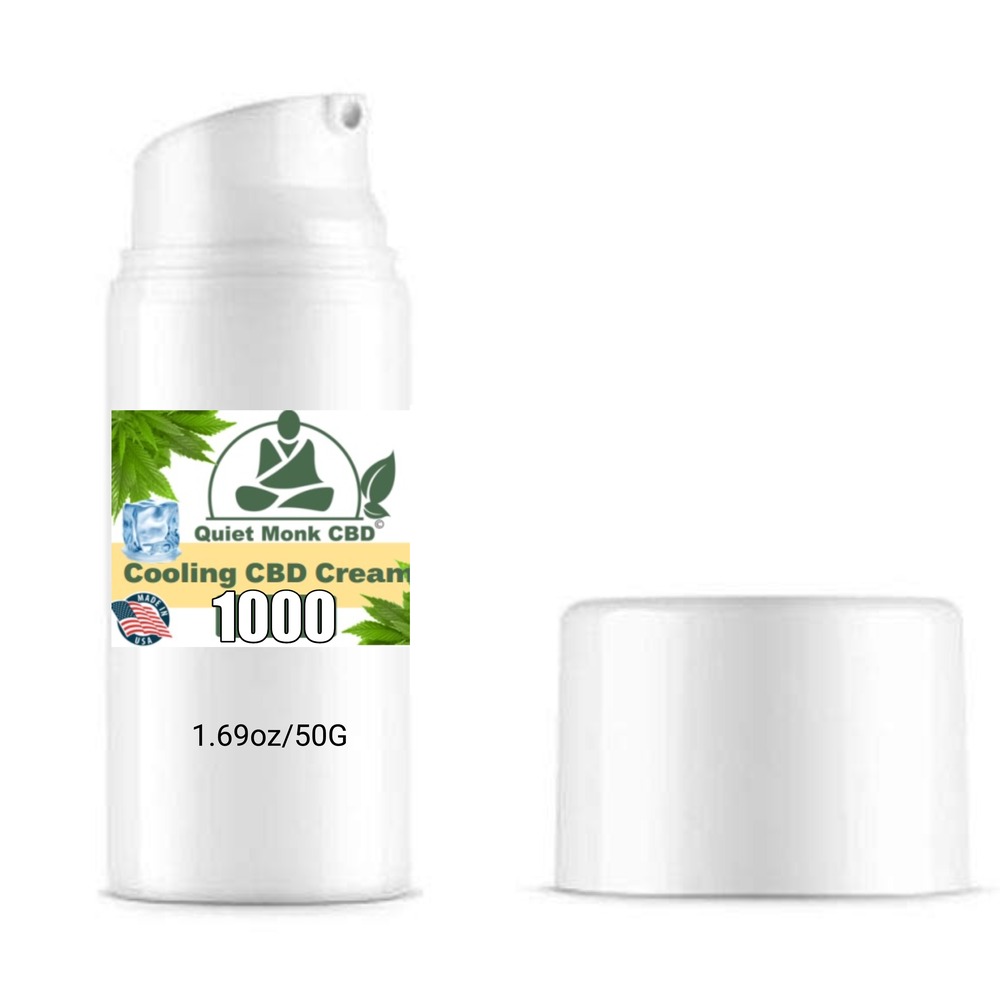
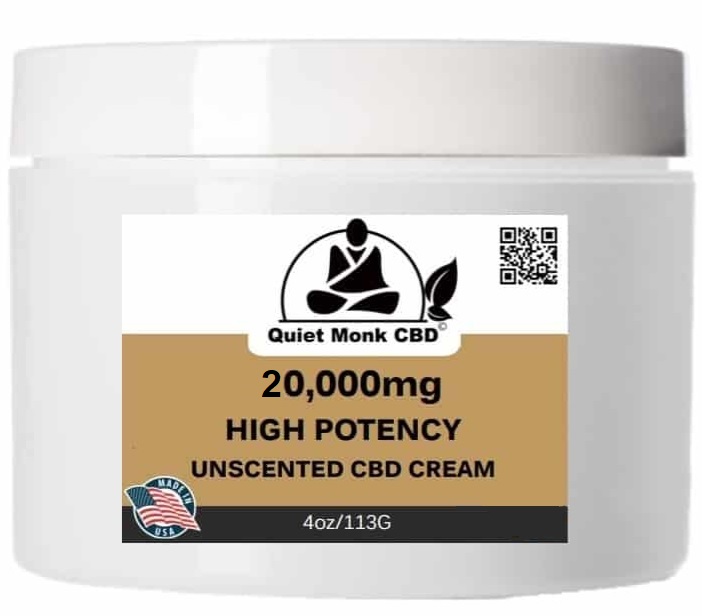
Our 1000mg CBD Cream is perfect for those who are new to CBD topicals.
Frequently Asked Questions
Is CBD legal in Hawaii?
Yes, CBD is legal in Hawaii as long as it is hemp-derived and contains 0.0-0.3% THC. Medical marijuana, including cannabis-derived CBD, is also legal for those with a medical marijuana card.
What are the possession limits for CBD in Hawaii?
There are no possession limits for hemp-derived CBD in Hawaii as long as it contains less than 0.3% THC. However, medical marijuana patients may have limitations under the medical marijuana program.
Can I purchase CBD products in Hawaii?
Yes, you can purchase CBD products in Hawaii. CBD can be purchased in person at hemp and CBD oil shops, mostly located in Honolulu on Oahu. Online CBD shopping is also available.
Are there any restrictions on selling CBD products in Hawaii?
Yes, there are restrictions on selling CBD products in Hawaii. CBD products are not allowed to be sold in food, beverages, or cosmetics. It is important to ensure that you are purchasing from licensed sellers to avoid low-quality or fake products.
Do I need a prescription to buy CBD oil in Hawaii?
No, you do not need a prescription to buy CBD oil in Hawaii if it comes from hemp and contains less than 0.3% THC. However, medical marijuana patients with qualifying health conditions can obtain licensed doctors’ recommendations to use cannabis-derived CBD products.
Where can I find CBD oil in Hawaii?
CBD oil can be found at local stores in Honolulu and Hilo. However, it is recommended to buy CBD oil online in Hawaii, as online stores offer a wider selection of products and often have better prices.
This is not legal advice. Please consult with your State and local laws.
CBD offers various benefits for pets, including pain relief,anti-inflammatory properties,anxiety and stress reduction,seizure management,improved appetite and digestion, and even support for cancer symptoms. These benefits make CBD an appealing option for pet owners looking for natural alternatives to traditional treatments.
CBD water is a unique form of cannabidiol-infused beverage that has gained popularity in the wellness industry. It offers a convenient and refreshing way to consume CBD, a non-psychoactive compound found in cannabis plants known for its potential therapeutic effects. CBD water is made by infusing water with CBD particles, allowing for easy ingestion and absorption into the body.
Various extraction methods, such as nanoemulsion or liposomal encapsulation, are used to infuse CBD into water effectively. These methods involve breaking down CBD particles into smaller sizes, improving their solubility in water and enhancing their bioavailability.
CBD water is believed to provide several potential benefits. Some evidence suggests that CBD may help with anxiety, pain relief, and promoting better sleep. CBD exhibits antioxidant properties that can help combat oxidative stress in the body.
The legal status of CBD water varies by country and region. In many places, CBD derived from hemp plants containing less than 0.3% THC (the psychoactive compound in cannabis) is legal, while CBD derived from marijuana plants may be subject to stricter regulations.
While CBD is generally considered safe, there can be potential risks and side effects associated with its use. It’s important to consult with a healthcare professional before consuming CBD water, particularly if you have any underlying health conditions or are taking other medications.
When choosing CBD water, it’s crucial to look for reputable brands like Day One that provide third-party lab testing to ensure the product’s quality, consistency, and purity. Checking the CBD concentration and the presence of other ingredients is also important to find a product that suits your specific needs.
Consumption of it can vary depending on the individual and their desired effects. It’s recommended to start with a low dosage and gradually increase it as needed. It’s also essential to follow the product’s instructions and guidelines provided by the manufacturer.
Key takeaway:
CBD water maximizes convenience: CBD water offers a convenient way to consume CBD, as it is already infused with the compound. This makes it easy to incorporate CBD into a daily wellness routine.
It may have potential health benefits: Some potential benefits of CBD water include pain relief, reduced anxiety and stress, improved sleep quality, and anti-inflammatory effects.
Choose carefully: When selecting, it’s important to look for products that provide clear information on the CBD content, extraction methods used, and quality testing to ensure safety and effectiveness.
What is CBD Water?
CBD water is a beverage infused with cannabidiol, a compound derived from the cannabis plant. It is created by mixing CBD extract with water and other ingredients. CBD water, also known as cannabidiol-infused water, offers a convenient and easy way to consume CBD. This refreshing and hydrating option is marketed for its potential therapeutic effects and various health benefits.
One of the main advantages of CBD water is that it does not contain THC, the psychoactive component of cannabis. As a result, it does not produce a high like marijuana. Instead, CBD water is used to promote relaxation, reduce stress, alleviate pain, and improve overall well-being.
The amount of CBD in each bottle of CBD water can vary, typically ranging from 5-20 milligrams per serving. It is important to note that the effectiveness of CBD water may vary from person to person due to individual factors such as metabolism and dosage. Therefore, it is recommended to consult with a healthcare professional before incorporating CBD water into your wellness routine.
In summary, CBD water is a refreshing and convenient way to consume cannabidiol. With its potential therapeutic effects and absence of psychoactive properties, it offers a natural and alternative option for promoting relaxation, relieving stress, managing pain, and enhancing overall well-being.
How is CBD Water Made?
CBD water is made through the process of infusing water with extract from cannabidiol (CBD). The initial step involves extracting CBD from hemp plants using CO2 extraction. Afterward, the active compounds are combined with water using either emulsification or nanotechnology techniques. Emulsification breaks down the CBD extract into tiny droplets, which can effectively mix and remain dispersed in water. Through nanotechnology, the size of the CBD particles is further reduced, enhancing their bioavailability. As a result, the body can easily absorb CBD.
CBD water may contain different quantities of CBD, typically indicated on the label, ranging from 5 to 25 milligrams per bottle. The effects of CBD water vary depending on factors like the amount of CBD consumed, the individual’s metabolism, and the specific product’s formulation. To ensure responsible consumption, it is essential to follow the recommended serving size and consult a healthcare professional for any concerns or questions.
What Extraction Methods Are Used to Infuse CBD into Water?
When selecting CBD water, it is important to consider the extraction methods used to infuse CBD into the water.
Brands that utilize effective methods such as carbon dioxide extraction or ultrasonic extraction are recommended.
Products that take advantage of nanotechnology or emulsion to enhance the solubility and bioavailability of CBD in water should be considered.
These extraction methods ensure that CBD is effectively infused into the water, allowing for maximum absorption and potential health benefits.
What are the Potential Benefits of CBD Water?
CBD water is gaining popularity due to its potential benefits, which include pain and inflammation relief,anxiety and stress reduction,improved sleep quality,enhanced hydration, and antioxidant properties.
CBD, found in hemp plants, has anti-inflammatory properties, making CBD water a potential solution for reducing pain and inflammation.
CBD has also been studied for its ability to reduce anxiety and stress, so consuming CBD water may promote relaxation and a sense of calmness.
CBD has sleep-promoting properties, meaning drinking CBD water may improve sleep quality and promote better rest.
CBD water combines the benefits of CBD with the hydrating properties of water, replenishing fluids in the body and keeping you hydrated.
CBD has antioxidant properties that protect cells from free radical damage, supporting overall cellular health.
Considering these benefits, CBD water may be a natural option for pain relief,stress reduction, and improved sleep. It is always important to consult a healthcare professional before adding CBD water or any new supplement to your routine to ensure it aligns with your specific health needs.
Is CBD Water Legal?
CBD water is a popular beverage infused with cannabidiol, a compound found in cannabis plants.
Is CBD Water Legal? The legality of CBD water depends on the location.
In the United States, the legal status is based on the source of the CBD and state regulations.
CBD derived from hemp, with less than 0.3% THC, is federally legal.
CBD derived from marijuana is still considered a Schedule I substance.
It is important to note that even if CBD water is legal, there are regulations regarding labeling, advertising, and dosage.
Before purchasing or consuming CBD water, it is advisable to check the laws in your specific state.
To ensure compliance with the law, here are some suggestions to keep in mind.
First, research the specific regulations on CBD products in your state.
Second, always purchase CBD water from reputable sources that provide detailed information about the CBD source and THC content.
Follow the recommended dosage guidelines provided by the manufacturer.
Remember, laws regarding CBD water can vary, so it is crucial to stay informed and make responsible choices when considering its use.
Are There Any Risks or Side Effects of Using CBD Water?
Using CBD water may have risks and side effects.Are There Any Risks or Side Effects of Using CBD Water?
CBD can interact with certain medications and increase the risk of bleeding. It’s important to consult a healthcare professional before using CBD water if you take any medications.
CBD can cause side effects such as dry mouth, nausea, diarrhea, and changes in appetite or weight. These side effects are usually mild and go away on their own.
The quality and purity of CBD water can vary between brands. Look for reputable brands that provide third-party lab testing to ensure safety and effectiveness.
Start with a lower dosage and gradually increase if needed. Pay attention to how your body reacts to CBD water and adjust accordingly.
CBD water can be consumed in a few ways to maximize benefits. It is important to consider how CBD water should be consumed. One option is to drink it directly for quick absorption into the bloodstream. Another way to consume CBD water is by adding it to beverages or smoothies, which not only enhances flavor but also offers convenient consumption throughout the day. CBD water can be used in cooking or baking to incorporate it into favorite recipes. It is essential to remember to read the label for dosage information and follow the recommended serving size. When it comes to consuming CBD water, personal preferences and desired effects should be considered to find the best way that suits your individual needs.
What Should I Look for When Choosing CBD Water?
When choosing CBD water, there are several factors you should consider. Consider the source of the CBD. It is best to look for CBD that has been extracted from organic hemp plants grown in the United States. This ensures that the CBD is of high quality and free from pesticides and other harmful substances.
You should ensure that the CBD water has undergone third-party testing to verify its quality and potency. Look for lab reports that provide detailed information about the CBD content and the absence of contaminants. This will give you peace of mind knowing that you are consuming a safe and effective product.
Next, check the label for the CBD concentration in the water. This is typically measured in milligrams per bottle or serving. It is important to know the exact amount of CBD you are consuming to ensure you are getting the desired effects.
When looking at the ingredients list, make sure to choose CBD water that contains natural and safe ingredients. Avoid products that have artificial additives, sweeteners, or preservatives. By doing so, you can be sure that you are consuming a product that is good for your health.
Consider your personal preferences when it comes to flavor. Some CBD waters have a natural hemp taste, while others are infused with fruit flavors to mask the earthy flavor of CBD. Choose a flavor that you enjoy to enhance your CBD water experience.
Compare prices and calculate the cost per milligram of CBD to determine the best deal. By doing your research and considering these factors, you can make an informed decision when choosing CBD water that meets your needs and preferences.
CBD Water and Health Benefits
CBD water is a beverage infused with cannabidiol (CBD), derived from the cannabis plant. It provides the health benefits of CBD in a convenient and refreshing form.
One of the health benefits is its ability to relieve pain and reduce inflammation. CBD interacts with the body’s endocannabinoid system, which regulates pain and inflammation.
CBD water has calming effects on the body, reducing anxiety and stress. It interacts with receptors in the brain that regulate mood and emotions.
CBD water can improve sleep quality by relaxing the body and mind, promoting restful sleep.
By promoting balance and harmony in both physical and mental health, it has the potential to boost overall well-being. CBD has been used for thousands of years for its medicinal properties. Ancient Egyptians, for example, treated various ailments with cannabis plants.
Today, CBD water has become a popular way to consume CBD and experience its health benefits. As the demand for CBD grows, more research is being conducted to explore its uses and benefits.
With its convenient form, it is revolutionizing how people incorporate CBD into their daily routines. Whether for pain relief, stress reduction, or improved sleep, CBD water offers a refreshing and effective way to experience the health benefits of CBD.
CBD Water in the Wellness Category
CBD Water in the Wellness Category
CBD water is gaining popularity in the wellness category. CBD, a non-psychoactive compound found in cannabis plants, is believed to have various health benefits. Ingesting CBD through water allows for easy and convenient consumption. CBD water promotes relaxation, reduces anxiety, alleviates pain and inflammation, and enhances sleep quality and overall well-being. Many people find CBD water refreshing and enjoyable for incorporating CBD into their wellness routine. It is crucial to choose a reputable brand that uses high-quality CBD and provides accurate information about its content. CBD water in the wellness category offers a unique and effective way to improve physical and mental well-being.
Limitations and Caution of CBD Water
Limitations and Caution of CBD Water
CBD water has limitations and should be used with caution.
One limitation is the variability in dosage. CBD water may not accurately state the amount of CBD in each serving, making it difficult to control the dosage.
Another limitation is the bioavailability of CBD in water. CBD is not water-soluble, so the body may have difficulty absorbing it efficiently.
Caution should be exercised for individuals with certain medical conditions or those taking medication. CBD can interact with certain medications, so it is important to consult with a healthcare professional before consuming CBD water.
CBD water is not a miracle cure. While it may have potential health benefits, it should not be relied upon as the sole treatment for any medical condition.
Pro-tip: If interested in trying CBD for its potential benefits, it is recommended to explore other forms such as CBD oils or capsules, which may provide more accurate dosing and better bioavailability.
Some Facts About CBD Water:
✅ CBD water typically contains a small amount of CBD, around 2-5 mg per serving.(Source: Healthline)
✅ Studies suggest that doses of at least 15 mg of CBD per day may be needed for beneficial effects.(Source: Healthline)
✅ CBD water claims to provide potential health benefits associated with CBD.(Source: Healthline)
✅ Some brands of CBD water use nanotechnology to increase CBD absorption.(Source: Healthline)
✅ CBD water is available in various forms, including capsules, gummies, vapes, and of course, water.(Source: Healthline)
Frequently Asked Questions
1. What is CBD water and how is it made?
CBD water is water that has been infused with CBD particles, a chemical compound derived from hemp and cannabis plants. It is made by emulsifying CBD oil with an emulsifier to distribute it evenly throughout the water, resulting in a CBD-infused beverage.
2. What are the potential health benefits of CBD water?
CBD water is claimed to provide potential health benefits, such as anxiety relief, improved sleep quality, and pain management. CBD has also been linked to anti-inflammatory properties, which may be beneficial for overall health.
3. How much CBD is typically found in CBD water?
Most brands of CBD water contain a small amount of CBD, typically around 2-5 mg per serving. Studies suggest that doses of at least 15 mg per day may be needed to experience beneficial effects.
4. Is CBD water a well-studied product?
Clinical research on CBD water is limited, but CBD as a compound has been subject to various studies. While there is some evidence supporting the potential benefits of CBD, further research is needed to determine the effectiveness of CBD water specifically.
5. Are there any safety concerns or potential interactions with CBD water?
It’s important to consult a healthcare provider before consuming CBD water, especially if you are taking medications, as CBD may interact with certain drugs. CBD products are not regulated by the FDA, so discrepancies between label claims and actual contents can occur.
6. How can I ensure the quality of CBD water?
When buying CBD water, look for products that are safe, third-party certified, and comply with FTC guidelines. Consider products that provide a certificate of analysis and are made by reputable brands. It’s also essential to understand the dosage and how it fits into your budget and lifestyle.
Before delving into Georgia’s specific legislation, it is important to understand the legal landscape of CBD in the United States. CBD’s legal status is a result of both federal and state laws. Federally, CBD extracted from hemp containing less than 0.3% THC (Tetrahydrocannabinol) is legal. Individual states, however, can have their own regulations regarding the possession, sale, and use of CBD.
Turning our attention to Georgia, we’ll examine the existing laws that govern CBD within the state. Currently, CBD is legal in Georgia, but there are certain considerations to keep in mind. This includes restrictions on THC content, which is the psychoactive component of cannabis, as well as specific conditions for legal possession and use of CBD.
If you are looking to purchase CBD in Georgia, it’s important to know where to find reliable sources. We’ll discuss the various avenues available for purchasing CBD products in the state.
We will touch upon any legal challenges and changes surrounding CBD in Georgia, including recent legislation updates and the potential future prospects for CBD in the state.
Before we proceed, it’s crucial to note that while this article aims to provide current and accurate information, laws regarding CBD can change. It’s advisable to consult legal resources and official authorities for the most up-to-date and precise information regarding the legality of CBD in Georgia.
Key takeaway:
Understanding CBD: CBD refers to cannabidiol, a compound derived from the hemp plant known for its potential health benefits.
Legal status of CBD: CBD’s legality in the United States is complex, with federal and state laws playing a role in determining its legal status.
CBD legality in Georgia: In Georgia, CBD is legal under certain conditions, including restrictions on THC content and specific requirements for possession and use.
What is CBD?
What is CBD? CBD, or cannabidiol, is a natural compound found in the Cannabis sativa plant. It is one of over 100 cannabinoids present in the plant, and it is known for its potential therapeutic benefits.
CBD is extracted from the hemp variety of the cannabis plant, which contains only trace amounts of tetrahydrocannabinol (THC), the psychoactive compound associated with marijuana. This means that CBD does not produce a “high” or intoxicating effect.
Research has shown that CBD interacts with the body’s endocannabinoid system, which is involved in regulating various physiological processes such as pain perception, mood, appetite, and immune function. CBD is believed to influence this system, leading to potential health benefits.
Some of the potential benefits of CBD include:
Pain management: CBD may help alleviate chronic pain by reducing inflammation and interacting with neurotransmitters involved in pain signaling. Studies have shown its effectiveness in conditions such as arthritis and multiple sclerosis.
Stress and anxiety relief: CBD has been found to have anxiolytic properties, meaning it may help reduce feelings of anxiety and promote relaxation without causing sedation. It may also be useful in managing conditions such as generalized anxiety disorder and social anxiety disorder.
Improved sleep: CBD has shown promise in improving sleep quality, particularly in individuals with insomnia or conditions that disrupt sleep patterns. It may help regulate sleep-wake cycles and promote more restful sleep.
Neuroprotective effects: CBD has demonstrated potential neuroprotective properties, meaning it may help protect the brain and nervous system from damage caused by oxidative stress and inflammation. This could have implications for conditions such as Alzheimer’s disease and epilepsy.
Anti-inflammatory effects: CBD has been found to reduce inflammation, which is associated with various chronic conditions such as autoimmune diseases, rheumatoid arthritis, and inflammatory bowel disease.
It is important to note that while CBD shows promise in these areas, more research is needed to fully understand its potential benefits and the optimal dosages for different conditions. Additionally, CBD products are not regulated by the FDA, so it is crucial to choose products from reputable manufacturers that provide third-party lab testing to ensure purity and potency.
The legal status of CBD in the United States is a complex issue that can vary depending on multiple factors.
Federal Law: The legal status of CBD is determined by federal law, which states that CBD is legal if it is derived from hemp plants with a THC content of less than 0.3%. This was made possible by the Agriculture Improvement Act of 2018, also known as the Farm Bill. This law legalized the production and sale of hemp and hemp-derived products, including CBD.
State Laws: Individual states have the authority to enact their own laws regarding CBD, despite federal regulations. Some states have chosen to align their laws with federal standards, making CBD legal. However, other states have implemented stricter regulations, either making CBD illegal or permitting its use only for medical purposes with a prescription.
THC Content: The legal status of CBD also relies on its THC content. THC is the compound found in cannabis plants that is responsible for the psychoactive effects. CBD products containing more than 0.3% THC are classified as marijuana and are subject to different laws compared to CBD derived from hemp.
Medical Use: In states where medical marijuana is legal, CBD products with higher levels of THC may be available for medical use. These products often require a prescription from a licensed healthcare professional.
Regulatory Oversight: The Food and Drug Administration (FDA) holds regulatory authority over CBD products. While the FDA has approved one CBD-based medication, called Epidiolex, for the treatment of rare forms of epilepsy, it has not approved CBD for other purposes such as dietary supplements or food additives.
It is important to understand that the legal status of CBD is subject to change as laws and regulations continue to evolve. Before purchasing or using CBD products, it is recommended to thoroughly research and comprehend the specific laws and regulations in your state.
CBD, or cannabidiol, is federally legal in the United States as long as it is derived from hemp and contains no more than 0.3% THC. The 2018 Farm Bill legalized hemp and its derivatives, which includes CBD, at the federal level. This means that CBD products can be legally produced, distributed, and sold across the country.
It is important to note that the legality of CBD may vary at the state level. Some states may have additional restrictions or regulations on CBD products, so it is essential to familiarize yourself with the specific laws in your state.
While CBD is federally legal, it is crucial to choose CBD products from reputable sources. Look for companies that provide third-party lab testing to ensure the quality and potency of their products. Additionally, it is essential to read product labels and verify that they contain less than 0.3% THC.
When considering the legality of CBD, it is important to understand that CBD derived from marijuana, which contains more than 0.3% THC, is still considered illegal at the federal level. Only CBD derived from hemp is federally legal.
State laws and CBD play a crucial role in determining the legal status of CBD products. While federal legalization does not automatically make CBD legal in every state, it is important to understand the specific laws and regulations in your state before purchasing or using CBD.
Here are some key points to consider when it comes to state laws and CBD:
1. Legalization status: Each state has the authority to determine its own laws regarding CBD. Some states have fully legalized both medical and recreational use of CBD, while others have more restrictive laws or only allow medical use.
2. THC content restrictions: Many states have regulations in place that limit the amount of THC (the psychoactive compound in cannabis) allowed in CBD products. These restrictions ensure that CBD products contain low levels of THC and minimize the potential for abuse or intoxication.
3. Conditions for legal possession and use: States often specify certain conditions under which CBD can be legally possessed and used. This may include requirements such as having a medical prescription, being a registered patient in a state medical program, or meeting certain age restrictions.
4. Purchasing options: The availability of CBD products can vary from state to state. Some states have established dispensaries or licensed retailers where CBD products can be legally purchased. Online purchase options may also be available, but it is essential to ensure that the product complies with state laws and regulations.
5. Changes and updates: State laws regarding CBD are subject to change over time. New legislation may be introduced to expand or restrict access to CBD, so it is important to stay informed about any updates or changes that may occur.
Understanding state laws regarding CBD is crucial to ensure compliance and avoid legal issues. It is recommended to consult the specific laws and regulations of your state or seek legal advice if you have any concerns or questions.
Fact: As of June 2021, 36 states in the United States have legalized medical marijuana, while 18 states have passed legislation allowing recreational use.
Wondering about the legal status of CBD in Georgia? Let’s dive into the nitty-gritty of “Is CBD Legal in Georgia?” We’ll explore the current laws in Georgia that govern CBD, from the overview of regulations to restrictions on THC content. Plus, we’ll uncover the conditions for legal possession and use of CBD in this state. Get ready to unravel the facts and shed light on the legality of CBD in Georgia!
Overview of Georgia’s Current Laws on CBD
Georgia’s Current Laws on CBD: An Overview
Federal Legality of CBD: CBD derived from hemp with less than 0.3% THC is federally legal, including oils, tinctures, and topicals.
State Regulations: Georgia has specific laws that govern the use and possession of CBD, which may differ from federal laws.
Medical Use of CBD: In Georgia, CBD oil with a THC concentration of less than 5% is legally used for medical purposes, primarily for patients with specific medical conditions.
THC Content Restrictions: CBD products in Georgia must contain less than 5% THC, the psychoactive compound responsible for the “high” associated with cannabis.
Legal Possession and Use of CBD in Georgia: To possess and use CBD legally in Georgia, individuals must have a medical marijuana card and a qualifying medical condition, such as epilepsy, cancer, or Parkinson’s disease.
It is important to stay updated on any changes in Georgia’s CBD laws, as they are subject to change. The non-medical use or possession of CBD without a medical marijuana card is illegal in Georgia. It is recommended to consult with a healthcare professional for guidance on using CBD for medical purposes in Georgia.
When it comes to CBD, it is important to be aware of the restrictions on THC content. Understanding these restrictions will help you navigate the legal landscape surrounding CBD products. Take a look at the table below to see the specific restrictions on THC content:
State
Maximum THC Content
Alabama
0.3%
Alaska
No limit
Arizona
0.3%
Arkansas
0.3%
California
No limit
Colorado
0.3%
Connecticut
No limit
Delaware
0.3%
Florida
0.3%
Georgia
5% (seizure disorders only)
As you can see, different states have different restrictions on the maximum THC content allowed in CBD products. In most states, including Georgia, the limit is set at 0.3%. However, Georgia does have an exception for individuals with seizure disorders, allowing for a higher THC content of up to 5%.
It’s important to note that THC is the psychoactive compound in cannabis that can produce a “high” effect. Keeping THC content within legal limits ensures that CBD products are non-intoxicating and comply with regulations. This helps to ensure consumer safety and prevent misuse of these products.
When purchasing CBD products, it’s essential to check the THC content and ensure it falls within the legal restrictions of your state. This information is typically provided by reputable manufacturers on their product labels or websites. By adhering to these restrictions, you can confidently and legally incorporate CBD into your wellness routine.
Conditions for Legal Possession and Use of CBD in Georgia
The conditions for legal possession and use of CBD in Georgia are as follows:
Age restrictions: According to Georgia law, individuals must be at least 18 years old to possess and use CBD products.
THC content: CBD products in Georgia must contain no more than 0.3% THC. Any product with a higher THC level is considered illegal.
Medical conditions: The use of CBD in Georgia is primarily restricted to individuals with specific medical conditions. These conditions include epilepsy, Parkinson’s disease, multiple sclerosis, Crohn’s disease, and certain types of cancer.
Doctor’s recommendation: To legally possess and use CBD in Georgia, individuals must have a recommendation from a qualified physician. The recommendation should outline the specific medical condition and justify the use of CBD as a treatment option.
State registration: Individuals who are qualified to use CBD for medical purposes must register with the Georgia Department of Public Health and obtain a Low THC Oil Registry Card. This card serves as proof of legal possession and use of CBD in the state.
Legal purchase: CBD products in Georgia can only be purchased from state-licensed dispensaries or through the state’s medical marijuana program. It is illegal to buy CBD from unlicensed sources.
Transportation and possession limits: A registered individual is allowed to possess up to 20 fluid ounces of low THC oil, which can contain no more than 5% THC. It is important to note that crossing state lines with CBD products may violate federal laws.
These are the specific conditions for legal possession and use of CBD in Georgia. It is crucial to comply with these requirements to ensure adherence to the state’s laws and regulations.
Where Can You Buy CBD in Georgia?
If you’re wondering where you can buy CBD in Georgia, there are several options available to you. It’s important to note that the sale and possession of CBD products in Georgia is legal as long as they contain less than 0.3% THC, which is the psychoactive compound found in marijuana. Here are some places where you can purchase CBD in Georgia:
Retail stores: Many retail stores in Georgia now carry CBD products. These include health food stores, wellness centers, and even some pharmacies. It’s best to call ahead and confirm if the store near you carries CBD products.
Online retailers: Purchasing CBD online is a convenient option if you prefer to have the product delivered to your doorstep. There are many reputable online retailers that offer a wide range of CBD products, including oils, capsules, topicals, and more. Buy from Silent Monk!
CBD specialty stores: In recent years, dedicated CBD stores have been popping up in Georgia. These stores focus solely on CBD products and have knowledgeable staff who can provide guidance and answer any questions you may have.
Farmers markets: Some farmers markets in Georgia have vendors selling CBD products. This can be a great way to support local businesses and get high-quality CBD from trusted sources.
Cannabis dispensaries: While Georgia has strict laws regarding the recreational use of marijuana, medical marijuana is legal for certain qualifying conditions. If you have a medical marijuana card, you may be able to purchase CBD products from authorized dispensaries.
It’s important to do your research and ensure that you are purchasing CBD from a reputable source. Look for third-party lab test results to verify the product’s potency and purity. Additionally, consider factors such as product quality, customer reviews, and affordability when making your purchasing decision.
Remember that while CBD is legal in Georgia, it’s always a good idea to check local laws and regulations, as they may vary depending on your location. It’s also advisable to consult with a healthcare professional before incorporating CBD into your routine, especially if you have any underlying health conditions or are taking medications.
Legal Challenges and Changes
Legal challenges and changes in CBD’s legality in Georgia have brought about intriguing developments. Delving into legislation updates and future prospects, we uncover a dynamic landscape that shapes the use and distribution of CBD. From regulatory shifts to potential market growth, these sub-sections promise to illuminate the evolving legal framework behind CBD in Georgia. Stay tuned as we explore the latest developments and forecast the future direction of this CBD landscape.
Legislation updates play a crucial role in determining the legal status of CBD in Georgia. It’s important to stay informed about any changes or new laws that may impact the possession and use of CBD products in the state.
Here are some key legislation updates regarding CBD in Georgia:
The Georgia Hemp Farming Act was signed into law in 2019, legalizing the cultivation, processing, and sale of hemp and hemp-derived products, including CBD.
Under this law, CBD products must contain no more than 0.3% THC (tetrahydrocannabinol), the psychoactive compound in cannabis responsible for the “high” sensation.
Previously, the possession of CBD oil with any amount of THC was considered illegal in Georgia. However, the updated legislation now allows for the legal possession and use of CBD oil with low THC content.
The Georgia Department of Agriculture is responsible for regulating the cultivation and processing of hemp and CBD products in the state.
Retailers selling CBD products in Georgia must ensure that their products are sourced from licensed hemp growers and meet the legal requirements for THC content.
It’s important to note that while CBD with low THC content is legal in Georgia, the possession and use of marijuana for recreational purposes remains illegal.
Sarah, a Georgia resident, had been using CBD oil to manage her chronic pain. However, she was unaware of the recent legislation updates regarding CBD in the state. One day, she was stopped by the police while carrying her CBD oil. Luckily, the officer informed her about the changes in the law and provided her with resources to learn more about the legal requirements for CBD possession and use in Georgia. This incident prompted Sarah to educate herself about CBD legislation updates to ensure she remains compliant with the law.
Future Prospects
When analyzing the future prospects of CBD, it is important to consider the potential growth of the industry, regulatory changes, and consumer trends.
Aspect
Future Prospects
Growth of the Industry
With increasing awareness and acceptance of CBD, the industry is expected to experience substantial growth in the coming years. According to market research, the global CBD market is projected to reach $XX billion by 2025, representing a XX% compound annual growth rate.
Regulatory Changes
The legal status of CBD is likely to evolve further as regulatory bodies continue to refine their policies. As more scientific evidence emerges supporting the potential health benefits and safety of CBD, there may be an increased push for standardized regulations at both the federal and state levels. This could lead to clearer guidelines for manufacturing, labeling, and quality control.
Consumer Trends
The demand for CBD products is expected to continue to rise as more consumers become interested in natural health alternatives. Factors such as increased stress levels, a growing focus on wellness, and the desire for non-intoxicating options contribute to the popularity of CBD. In the future, we can expect to see a wider variety of CBD products catering to different consumer preferences and needs.
Product Innovation
The CBD industry will likely see further product innovation to meet consumer demands. This may include the development of new delivery methods, formulations, and higher bioavailability options. Product differentiation through unique blends, flavors, and targeted effects will also contribute to the future success of CBD brands.
Educational Efforts
As the CBD industry matures, there will be an increased focus on educating consumers about the benefits, potential risks, and responsible use of CBD. Efforts to provide accurate information and dispel misconceptions will play a crucial role in building consumer confidence and trust in CBD products.
International Market Expansion
As CBD continues to gain acceptance worldwide, companies may look to expand their operations and tap into emerging markets. Global legalization and harmonization of regulations will facilitate this expansion, providing opportunities for increased sales and market penetration.
Keywords to incorporate: Future Prospects
Important Considerations
When considering the legality of CBD in Georgia, there are several important considerations to keep in mind:
Understanding federal and state laws: It is essential to be aware of both federal and state laws regarding CBD. While CBD derived from hemp with a THC content of 0.3% or less is legal at the federal level, state laws may have additional restrictions or regulations. In Georgia, CBD oil with no more than 5% THC is permitted for medical use.
Knowing the source of the CBD: It is crucial to know where the CBD products you are considering purchasing are sourced from. CBD derived from hemp is legal, but CBD derived from marijuana may not be legal in all circumstances. Make sure the CBD you choose comes from a reputable source and complies with legal requirements.
Understanding THC content: The THC content in CBD products is an important consideration. In Georgia, CBD products should contain no more than 5% THC for medical use. Always check the THC content before purchasing a CBD product to ensure compliance with local laws.
Consulting with a healthcare professional: Before using CBD, it is advisable to consult with a healthcare professional, especially if you have any underlying health conditions or are taking medications. They can provide guidance on dosage, potential interactions, and whether CBD is suitable for your specific needs.
Ensuring product quality: Quality assurance is crucial when choosing CBD products. Look for products that have undergone third-party testing for purity, potency, and contaminants. This information should be readily available from the manufacturer or seller.
Considering individual needs: Every individual may have different needs and preferences when it comes to CBD. Consider factors such as the desired CBD concentration, delivery method (e.g., oils, capsules, topicals), and any specific health concerns you may have. Personal preferences and goals should influence your choice of CBD product.
By understanding federal and state laws, knowing the source and THC content of CBD, consulting with a healthcare professional, ensuring product quality, and considering individual needs, you can make informed decisions when it comes to CBD in Georgia.
Some Facts About Is CBD Legal in Georgia?
✅ Georgia allows the sale of hemp-derived CBD products with a THC content of less than 0.3% since 2019, except for food products.(Source: Our Team)
✅ The Georgia Hemp Farming Act permits research, exploration, licensing, and testing of hemp products in the state.(Source: Our Team)
✅ Hemp is defined as the Cannabis sativa L. plant with a THC level of 0.3% or lower.(Source: Our Team)
✅ It is illegal to purchase marijuana-derived CBD products without a medical marijuana card in Georgia.(Source: Our Team)
✅ Hemp-derived CBD products can be purchased throughout Georgia, including online and at local pharmacies.(Source: Our Team)
Frequently Asked Questions
Is CBD legal in Georgia?
Yes, CBD is legal in Georgia. The state allows the sale of hemp-derived CBD products with a THC content of less than 0.3%. However, marijuana-derived CBD products can only be purchased with a medical marijuana card.
What are the patient possession limits for CBD oil in Georgia?
Patient possession limits in Georgia allow individuals with qualifying medical conditions to possess up to 20 ounces of infused cannabis oils containing no more than 5 percent THC. The amount of CBD in the oil must be equal to or greater than the amount of THC.
What medical conditions qualify for medical marijuana in Georgia?
Qualifying medical conditions for medical marijuana in Georgia include AIDS, Alzheimer’s disease, Amyotrophic Lateral Sclerosis, Autism, Cancer, Crohn’s disease, Epidermolysis bullosa, Hospice care patients, Intractable Pain, Mitochondrial disease, Multiple sclerosis, Parkinson’s disease, Post-traumatic stress syndrome, Severe or end stage Peripheral neuropathy, Seizure disorder, Sickle cell disease, and Tourette’s syndrome.
Are there state-licensed dispensaries for CBD oil products in Georgia?
Yes, state-licensed dispensaries for high-CBD/low-THC oil products were permitted in May 2021. There are five initial licenses issued, and the first two dispensaries have begun operating.
Can individuals from other states possess low-THC oil in Georgia?
Yes, Georgia allows reciprocity. Individuals with a registration card issued by another state that allows the possession of low-THC oil are exempt from Georgia’s laws.
Can individuals cultivate hemp in Georgia?
No, home cultivation of hemp is not allowed in Georgia. Hemp cultivation is regulated and requires licenses and permits.
This is not legal advice. Always check with your State and local governments.
CBD, short for cannabidiol, has gained significant popularity in recent years for its potential health benefits. However, the legal status of CBD can vary from state to state. In the case of Florida, it is important to understand the specific regulations and laws surrounding CBD.
To begin, let’s explore an introduction to CBD and its legal status in the United States. Following that, we will delve into an overview of CBD laws in Florida. It is crucial to distinguish between CBD derived from hemp and CBD derived from marijuana, as the legal status can differ depending on the source.
In Florida, the legality of CBD derived from hemp is a topic of interest. We will explore the legalities associated with CBD derived from marijuana. We will examine the medical and recreational use of CBD in Florida, along with the guidelines for purchasing CBD products.
Understanding the legal status of CBD in Florida is essential for residents and visitors alike in order to ensure compliance with the law and make informed decisions regarding the use of CBD products. By obtaining a comprehensive understanding of the regulations surrounding CBD in Florida, individuals can navigate the market and their options more confidently.
CBD is a compound found in cannabis plants and is gaining popularity for its potential health benefits.
The legal status of CBD in the United States is complex, with federal law allowing CBD derived from hemp with less than 0.3% THC.
In Florida, CBD derived from hemp is legal, but CBD derived from marijuana is only legal for medical use.
Legal Status of CBD in the United States
The legal status of CBD in the United States is constantly evolving and can vary from state to state. However, at the federal level, CBD is considered legal if it is derived from hemp plants with less than 0.3% THC content. Here are some key points regarding the legal status of CBD in the United States:
The Farm Bill of 2018 federally legalized hemp and its derivatives, including CBD, as long as they meet the criteria mentioned above. This means that CBD products derived from hemp are legal on a federal level.
However, the FDA still maintains regulatory authority over CBD products, including labeling and marketing claims. The FDA has not approved CBD as a food additive or dietary supplement.
States have the authority to establish their own laws and regulations regarding CBD. Some states may have more restrictive laws, while others may have more lenient regulations. It’s important to check the specific laws of the state where you reside or plan to use CBD.
States may require CBD products to be tested for purity and potency. These testing requirements help ensure consumer safety and product quality.
While CBD derived from hemp is legal, CBD derived from marijuana plants with higher THC content is still considered illegal under federal law. Marijuana-derived CBD is classified as a Schedule I controlled substance.
It’s important to note that even though CBD is legal, the FDA has issued warnings about unproven health claims associated with CBD products. Companies are not allowed to market CBD products as treatments or cures for specific medical conditions without FDA approval.
When purchasing CBD products, it’s essential to buy from reputable sources and ensure that the product has been tested by a third-party laboratory to verify its contents and purity.
The legal status of CBD is subject to change as laws and regulations continue to evolve. Stay informed about any updates or changes in your state’s laws regarding CBD.
Overview of CBD Laws in Florida
An overview of CBD laws in Florida reveals the legal status and regulations surrounding the use of CBD products in the state.
Legal Status: CBD derived from hemp is legal in Florida, thanks to the passage of the 2018 Farm Bill at the federal level. This legislation distinguishes hemp from marijuana, defining hemp as cannabis containing less than 0.3% THC. Thus, CBD products with low THC content are legal in Florida.
Licensing and Regulation: The Florida Department of Agriculture and Consumer Services (FDACS) oversees the licensing and regulation of hemp cultivation and CBD processing in the state. Farmers and businesses must obtain licenses to grow and process hemp, and products must be properly labeled and tested to ensure compliance with quality and safety standards.
Sale and Distribution: CBD products can be legally sold and distributed in Florida as long as they meet the hemp THC concentration requirements. However, it is crucial for retailers and sellers to ensure that their products comply with FDACS regulations to avoid any legal issues.
Medical Use: In 2014, Florida passed the Compassionate Medical Cannabis Act, allowing the use of medical cannabis for qualified patients. CBD products with higher THC content can be prescribed to registered patients with qualifying medical conditions. However, recreational use of marijuana and CBD products with higher THC concentration remains illegal in the state.
Public Consumption: It is illegal to consume CBD or any cannabis product in public places in Florida. The use of CBD should be confined to private properties or designated locations to prevent any legal consequences.
While CBD is legal in Florida, it is essential to stay informed about any changes or updates to the state’s laws and regulations. Keeping up with the FDACS guidelines and working with licensed and reputable retailers ensures compliance and safety when using CBD products.
Sarah, a resident of Florida, was curious about using CBD to manage her chronic pain. After researching the state’s laws and regulations, she found that CBD derived from hemp was legal in Florida as long as it contained less than 0.3% THC. Sarah decided to visit a local CBD store that showcased their FDACS license. The knowledgeable staff educated her about different CBD products and helped her choose a high-quality CBD oil with a low THC concentration. Sarah, following the recommended dosage, experienced significant relief from her pain, allowing her to enjoy a better quality of life.
Is CBD Derived from Hemp Legal in Florida?
CBD derived from hemp is indeed legal in Florida. In the state, hemp, which is a particular type of cannabis plant that has low levels of THC, the psychoactive compound found in marijuana, follows the federal definition and is considered legal. This was made possible through the passage of the Farm Bill by the federal government in 2018, which allowed for the cultivation and sale of hemp and hemp-derived products, including CBD, as long as they have less than 0.3% THC.
The cultivation of hemp in Florida is regulated by the Florida Department of Agriculture and Consumer Services. Farmers can obtain a license to grow hemp and extract CBD from it. Additionally, retailers are allowed to sell CBD products derived from hemp in the state, provided that they meet the labeling and testing requirements.
It is important to keep in mind that even though hemp-derived CBD is legal in Florida, CBD derived from marijuana is considered illegal. Marijuana is categorized as a Schedule I controlled substance by the federal government, and its recreational use is illegal in Florida. However, medical use of marijuana is permitted for qualifying patients who have a prescription from an authorized physician.
When purchasing CBD products in Florida, it is crucial to ensure that they are derived from hemp and contain less than 0.3% THC. It is advisable to choose reputable brands that conduct third-party lab testing to confirm the purity and potency of their products. Additionally, consulting with a healthcare professional is recommended in order to determine the appropriate dosage and usage for one’s specific needs.
Is CBD Derived from Marijuana Legal in Florida?
Is CBD Derived from Marijuana Legal in Florida?
CBD derived from marijuana is not legal in Florida. While CBD oil derived from hemp with less than 0.3% THC is legal at the federal level, marijuana is classified as a Schedule I controlled substance and is illegal under federal law. Florida follows federal guidelines and has its own laws when it comes to CBD.
In Florida, the use of CBD derived from marijuana is only legal for qualified patients who have been diagnosed with a debilitating medical condition. These conditions include cancer, epilepsy, glaucoma, HIV/AIDS, Crohn’s disease, Parkinson’s disease, multiple sclerosis, post-traumatic stress disorder (PTSD), amyotrophic lateral sclerosis (ALS), and terminal illnesses. Patients must have a recommendation from a qualified doctor and be registered with the Florida Department of Health’s Office of Medical Marijuana Use.
It is important to note that possession or use of marijuana-derived CBD without a valid medical marijuana card is illegal in Florida. The penalties for possession of marijuana can range from a misdemeanor to a felony, depending on the amount in possession.
The legal status of CBD derived from marijuana in Florida has evolved over time. In 2016, Amendment 2 was passed, allowing for the medical use of marijuana in the state. This opened the door for patients with qualifying conditions to access CBD products derived from marijuana.
However, it wasn’t until the implementation of the Compassionate Medical Cannabis Act in 2017 that regulations were established for the cultivation, production, and distribution of medical marijuana in Florida. These regulations ensure that only patients with qualifying conditions can access marijuana-derived CBD.
As of now, recreational use of marijuana is still illegal in Florida, and CBD derived from marijuana is only legal for qualified patients under the state’s medical marijuana program. It’s important to stay informed and abide by the laws and regulations regarding CBD in Florida to avoid any legal consequences.
The use of CBD for medical purposes is legal in Florida. The state has enacted laws that allow patients with certain medical conditions to access CBD oil or products containing CBD under specific circumstances.
Qualifying conditions: In Florida, patients must have qualifying medical conditions to be eligible for the medical use of CBD. These conditions include cancer, epilepsy, glaucoma, HIV/AIDS, Crohn’s disease, Parkinson’s disease, multiple sclerosis, and post-traumatic stress disorder (PTSD).
Low THC CBD oil: Medical CBD in Florida must be low in THC, the psychoactive component of cannabis. The CBD oil prescribed to patients should have a THC concentration of no more than 0.8%.
Physician recommendation: Patients who want to use medical CBD in Florida must obtain a recommendation from a qualified physician who is registered with the Florida Department of Health’s Office of Medical Marijuana Use.
Registry identification card: After receiving a physician’s recommendation, patients need to apply for a registry identification card from the Florida Department of Health. This card serves as proof of their eligibility to possess and use CBD oil for medical purposes.
Dispensing organizations: The state of Florida has authorized a limited number of dispensaries to cultivate, process, and distribute CBD oil to eligible patients. These dispensaries are regulated by the Florida Department of Health.
It’s important to note that while CBD for medical use is legal in Florida, recreational use of cannabis is still illegal. Possession, cultivation, and distribution of cannabis for non-medical purposes are considered illegal under state law.
A fact: As of November 2021, there were over 560,000 registered patients in Florida’s medical marijuana program, with around 400,000 active patients actively using medical CBD oil for their conditions.
Recreational Use of CBD in Florida
When it comes to the recreational use of CBD in Florida, there are certain regulations and restrictions that must be followed. While CBD is indeed legal in Florida, it is essential to familiarize oneself with the specifics surrounding its recreational use.
Age restrictions: To legally purchase and consume CBD products for recreational use in Florida, individuals must be at least 21 years old.
Types of CBD products: In Florida, the recreational use of CBD encompasses various forms such as oils, edibles, vape liquids, and topicals. These products contain CBD extracted from hemp and must have less than 0.3% THC.
Legal purchasing: Licensed dispensaries and retail stores that comply with state regulations are where CBD products for recreational use can be bought. Ensuring that the products are sourced from reputable suppliers is of utmost importance.
Public consumption: In general, the recreational use of CBD in Florida is not allowed in public spaces. Consumption is typically limited to private residences or designated establishments where smoking or vaping is permitted.
Driving under the influence: Operating a motor vehicle while under the influence of CBD or any other intoxicating substance is illegal. Engaging in impaired driving can lead to legal consequences.
Quantity restrictions: Although there are no specific quantity limits on the recreational use of CBD in Florida, it is advisable to adhere to personal consumption limits and avoid excessive usage.
Employment considerations: It is important to note that using CBD, even for recreational purposes, may have implications for certain employment situations. Some employers may have policies that prohibit the use of CBD products.
Staying well-informed about the current regulations and any updates regarding the recreational use of CBD in Florida is crucial. Keeping up-to-date with state laws and guidelines will ensure compliance and a safe, enjoyable CBD experience.
How to Buy CBD in Florida
When it comes to purchasing CBD in Florida, there are several important steps to follow in order to ensure that you are buying a legitimate and high-quality product. If you want to know how to buy CBD in Florida, follow this comprehensive guide:
Educate Yourself: It is crucial to educate yourself about CBD and its potential benefits before making a purchase. CBD, which is short for cannabidiol, is a compound derived from the cannabis plant that is renowned for its potential medicinal properties.
Research the Laws: Familiarize yourself with the laws governing CBD in Florida. While hemp-derived CBD with less than 0.3% THC is federally legal, state laws can differ. In Florida, CBD is legal as long as it is derived from hemp and contains less than 0.3% THC.
Look for Reputable Retailers: When buying CBD, it is crucial to choose reputable retailers. Seek out stores that specialize in CBD products and have positive reviews from previous customers. This ensures that you are purchasing from a trusted source.
Check for Third-Party Lab Testing: Reputable CBD brands should provide third-party lab testing results for their products. These tests verify the quality, potency, and purity of the CBD oil. Always check for these lab reports to ensure that you are getting a safe and effective product.
Read Labels and Ingredients: Before making a purchase, carefully read the labels and ingredients of CBD products. Look for products that clearly state the amount of CBD per serving and check for any additional ingredients or additives.
Consider the THC Content: Since CBD products in Florida must contain less than 0.3% THC, it’s important to decide whether you prefer THC-free products or those with trace amounts. THC is the psychoactive component of cannabis, and individuals may have personal or employment reasons for preferring THC-free products.
Compare Prices: Take the time to compare prices of different CBD products to ensure that you are getting a fair deal. Keep in mind that high-quality CBD products may come at a slightly higher cost, but it’s worth the investment for a safe and effective product.
Consult with a Healthcare Professional: If you have any concerns or questions about using CBD, it’s always best to consult with a healthcare professional who is knowledgeable about CBD and its potential interactions with any medications you may be taking.
By following these steps, you can confidently navigate the process of buying CBD in Florida and ensure that you are purchasing a high-quality and legally compliant product.
Some Facts About Is CBD Legal in Florida?
✅ CBD products have been legal in Florida since 2019.
✅ Florida adheres to the 2018 federal Farm Bill, which legalizes the use of industrial hemp plant-derived CBD oil with less than 0.3% THC.(Source: https://floridastatecannabis.org/cbd)
✅ CBD oil with less than 0.3% THC will not intoxicate the consumer.(Source: Our Team)
✅ CBD oil produced from flowering marijuana plants with higher THC content is illegal in Florida.(Source: Our Team)
✅ Doctors can prescribe CBD oil to residents with state medical marijuana cards and qualifying conditions.(Source: Our Team)
Yes, CBD is legal in Florida as long as it is derived from hemp and contains less than 0.3% THC. The state has taken positions on the legalization of cannabis and hemp, and hemp-derived CBD is legal in Florida. However, marijuana-derived CBD is not legal in the state.
What are the requirements for purchasing CBD products in Florida?
Consumers must be at least 18 years old to purchase most CBD products in Florida. However, CBD inhalants require consumers to be 21 years or older. It is also important to purchase CBD products from trusted sources that fall within federal guidelines, including containing less than 0.3% THC and having third-party lab results.
Can I purchase CBD products online in Florida?
Yes, you can purchase CBD products online in Florida. Reputable retailers will provide educational information about their products and ensure they meet the legal requirements, such as containing less than 0.3% THC. It is important to choose a trusted online retailer to ensure the quality and legality of the products.
Are there any possession limits for hemp-derived CBD products in Florida?
No, there are no possession limits for hemp-derived CBD products in Florida. As long as the CBD product meets the legal requirements, including containing less than 0.3% THC, individuals can possess as much CBD as they need.
Do I need a medical marijuana card to purchase CBD products in Florida?
No, you do not need a medical marijuana card to purchase hemp-derived CBD products in Florida. However, if you are looking for CBD products derived from marijuana with higher THC content, you will need a valid Florida medical marijuana card and a licensed physician prescription.
Where can I purchase CBD products in Florida?
CBD products can be purchased from various retail storefronts, including gas stations and kiosks, in Florida. Additionally, you can also purchase CBD products online from reputable retailers. It is important to be cautious and purchase from trusted sources to ensure the quality and legality of the products.
This is not legal advice. You should check with your State and local laws.
CBD, or cannabidiol, has gained significant popularity in recent years for its potential health benefits. However, the legality of CBD varies from one state to another. In this article, we will specifically explore the legality of CBD in Delaware.
Before delving into the specific laws of Delaware, it is essential to understand the broader legal landscape of CBD in the United States. CBD’s legality is determined by both federal and state laws.
At the federal level, CBD derived from hemp containing less than 0.3% THC became legal with the passage of the 2018 Farm Bill. However, the overall legality of CBD can also depend on individual states’ regulations.
Turning our attention to Delaware, it is crucial to examine the state’s laws regarding CBD. Is CBD legal in Delaware? The answer is yes. According to the Delaware state laws, CBD products derived from hemp are legal for both medical and recreational use as long as they contain no more than 0.3% THC.
Delaware has enacted legislation that allows for the cultivation, processing, and sale of hemp-derived CBD products within the state. This means that residents of Delaware can legally purchase and possess CBD products as long as they comply with the specified THC content limit.
So, if you are in Delaware and interested in purchasing CBD products, you have various options. CBD products can be found in local stores, such as dispensaries, health food stores, and vape shops. You can also buy CBD online and have it delivered to your doorstep.
It is worth noting that Delaware has a medical marijuana program in place, which allows qualified patients with specific medical conditions to access CBD products with higher THC concentrations. However, for recreational users, CBD derived from hemp with less than 0.3% THC is the legal option.
As CBD continues to gain recognition for its potential health benefits, it is important to stay informed about the specific laws and regulations surrounding its legality in your state. In Delaware, CBD derived from hemp is legal, allowing residents to enjoy the potential benefits this cannabinoid may offer.
Key takeaway:
CBD legality varies by state: While the legality of CBD is regulated at the federal level in the United States, each state has the authority to enact its own laws regarding CBD.
CBD is legal in Delaware: In Delaware, CBD is legal for both medical and recreational use. However, it is important to be aware of the specific legislation and regulations surrounding CBD in the state.
Buying CBD in Delaware: Consumers can find CBD products in various locations throughout Delaware, including dispensaries and specialty stores. Additionally, buying CBD online is also a convenient and accessible option for residents of Delaware.
Legality of CBD in the United States
The legality of CBD in the United States is a multifaceted issue that varies from state to state. While CBD is derived from hemp, which was federally legalized through the passage of the 2018 Farm Bill, individual states retain the authority to regulate its production, sale, and use.
To gain a comprehensive understanding of CBD’s legality in the United States, it is crucial to consider the level of THC present in the product. THC is the psychoactive compound found in cannabis that produces the “high” sensation. CBD products derived from hemp must contain less than 0.3% THC to be considered legal. Conversely, CBD products derived from marijuana, which contains higher THC levels, are subject to more stringent regulations.
At present, the majority of states have embraced regulations that align with federal law, permitting the sale and use of CBD products with minimal THC content. Nonetheless, there are still a handful of states where CBD remains illegal in all its forms. It is imperative to conduct thorough research and comprehend the specific laws in your state prior to purchasing or using CBD products.
Lisa’s case serves as an exemplification of the intricate nature surrounding CBD’s legality. Lisa is a middle-aged woman residing in California who suffers from chronic pain. For several years, Lisa had been successfully managing her pain using CBD oil without any complications. Unfortunately, during a routine traffic stop, she was found in possession of CBD oil that contained trace amounts of THC. Despite the low THC content, Lisa faced charges of possessing a controlled substance, as her state had not yet legalized the recreational use of cannabis. This unfortunate incident underscores the significance of comprehending and adhering to the laws in each respective state.
Is CBD Federally Legal in the United States?
CBD, or cannabidiol, is a compound derived from the cannabis plant that has gained popularity in recent years for its potential health benefits. However, when it comes to the legality of CBD in the United States, the situation can be quite complex.
To answer the question, “Is CBD federally legal in the United States?” the answer is yes, but with certain limitations. The Farm Bill of 2018 legalized the production and sale of hemp and its derivatives, which includes CBD, at the federal level. However, there are a few important considerations to keep in mind.
Firstly, the CBD must be derived from hemp plants that contain no more than 0.3% THC, the psychoactive compound found in marijuana. Any CBD product that exceeds this THC limit would be considered illegal under federal law.
Secondly, the CBD must be produced and sold in compliance with specific regulations. These regulations include ensuring proper labeling, manufacturing practices, and quality control. The FDA has also stated that CBD cannot be marketed as a dietary supplement or added to food and beverages.
It is important to note that even though CBD is federally legal, individual states have the authority to regulate CBD within their borders. This means that CBD may be legal in some states but illegal in others. It is crucial to research and understand the specific laws and regulations regarding CBD in your state.
Role of States in Regulating CBD
The role of states in regulating CBD is crucial as it allows them to establish their own laws and regulations regarding the sale, possession, and use of CBD products within their jurisdiction. While CBD derived from hemp was federally legalized with the passage of the 2018 Farm Bill, states still retain the authority to regulate its production, distribution, and consumption.
State Laws: Each state has the power to enact its own laws regarding CBD. Some states may have stricter regulations, requiring specific licenses or permits for the sale of CBD products. Others may have more lenient regulations, allowing for the sale of CBD without restrictions. It is important to understand the specific laws of the state you are in or purchasing CBD from.
Licensing and Testing: States often require CBD producers and retailers to obtain licenses and undergo testing to ensure the safety and quality of the products. These regulations help protect consumers from substandard or potentially harmful CBD products.
Labeling and Packaging: States may also have specific requirements for the labeling and packaging of CBD products. This includes providing accurate information about the contents of the product, dosage recommendations, and any potential side effects or warnings.
Sale and Distribution: States regulate the sale and distribution of CBD, including where and how it can be sold. Some states may restrict CBD sales to certain types of businesses, such as dispensaries or pharmacies, while others may allow for over-the-counter sales in retail stores.
Enforcement: States have the authority to enforce their own CBD regulations, including conducting inspections, issuing fines or penalties for non-compliance, and shutting down businesses that violate the laws. This helps ensure that the CBD products available in the market meet the necessary standards and are safe for consumers.
Pro-tip: Before purchasing or using CBD products, it is essential to familiarize yourself with the specific laws and regulations of the state you are in. This will help you make informed decisions and ensure that you are in compliance with local regulations. Always buy CBD products from reputable sources that prioritize quality and transparency.
CBD Laws in Delaware
CBD Laws in Delaware have become increasingly popular due to the potential health benefits of cannabidiol. It is crucial to have a proper understanding of the legal framework surrounding CBD in the state. Delaware follows federal regulations in allowing the cultivation, manufacturing, and sale of hemp-derived CBD products with less than 0.3% THC. This means that consumers can legally purchase and use CBD products in Delaware as long as they meet this criterion.
While CBD products are generally legal for adults in Delaware, there may be age restrictions depending on the type of product. Certain CBD products containing THC may require individuals to be at least 21 years old to purchase or use them. It is always important to check the specific age restrictions when buying CBD products in Delaware.
CBD creams oils and other products are readily available across Delaware, including in specialty stores, pharmacies, and online platforms. It is crucial to purchase from reputable sources that provide third-party lab testing to ensure the products’ quality and compliance with legal requirements. Furthermore, sellers must adhere to the state’s labeling and packaging regulations.
Delaware allows the use of medical CBD for qualifying patients. These individuals must obtain a recommendation from a certified healthcare professional and register with the Delaware Medical Marijuana Program. Medical CBD products may contain higher levels of THC based on the patient’s needs and the recommendation of their healthcare provider.
If you plan to travel with CBD products in Delaware, it is important to understand the laws of your destination. While many states have similar regulations to Delaware, some states may have stricter rules or entirely different laws regarding CBD. Always research and comply with the specific regulations of the state you are visiting.
To ensure compliance with CBD laws in Delaware, it is vital to stay informed and keep updated with any changes in regulations. Consulting reputable sources, such as state government websites or legal professionals, can provide valuable guidance regarding CBD laws.
Remember, while CBD offers potential benefits, it is not a substitute for professional medical advice. If you have any health concerns or questions about CBD usage, consult with a healthcare professional familiar with CBD products.
Please note that this information is subject to change, and it is always recommended to verify the current regulations regarding CBD laws in Delaware.
Is CBD Legal in Delaware?
Yes, CBD is legal in Delaware.
Delaware has taken steps to legalize both medical and recreational use of cannabis, including CBD products. In 2011, the state passed the Delaware Medical Marijuana Act, allowing registered patients to use and access medical marijuana, including CBD, for qualifying medical conditions.
Under Delaware law, CBD derived from the cannabis plant is considered legal for both medical and recreational use. However, it is important to note that CBD derived from hemp, which contains less than 0.3% THC, is federally legal in all 50 states.
Delaware has established a regulated medical marijuana program that allows registered patients to purchase and use CBD products from licensed dispensaries. These dispensaries offer a variety of CBD products, including oils, tinctures, capsules, and topicals.
In addition to the medical program, Delaware has also decriminalized the possession and use of small amounts of cannabis for recreational purposes. This means that individuals aged 21 and older can possess up to one ounce of cannabis, including CBD products, without facing criminal charges.
It is important to note that while CBD is legal in Delaware, it is always recommended to consult with a medical professional or legal expert before using or purchasing CBD products, especially if you have any questions or concerns about their legality or potential effects.
Fact: Delaware was one of the first states to legalize medical marijuana, including CBD, for qualifying patients.
Legislation Regarding CBD in Delaware
When it comes to the legislation regarding CBD in Delaware, it is important to understand the current regulations and laws surrounding the use and sale of CBD products. Here are some key points to consider:
Legal status: CBD is legal in Delaware as long as it is derived from hemp and contains less than 0.3% THC. The federal Farm Bill of 2018 legalized the production and sale of hemp-based CBD products in all 50 states, including Delaware.
Licensing requirements: In Delaware, businesses that wish to sell CBD products must obtain a license from the Delaware Department of Agriculture. This ensures that the products meet quality standards and are properly labeled.
Lab testing: CBD products in Delaware are required to undergo testing by an independent laboratory to ensure they meet safety and quality standards. This testing verifies the potency and purity of the CBD products.
Labeling requirements: CBD products sold in Delaware must be properly labeled with information such as the CBD content, THC content, batch number, manufacturing date, and expiration date.
Sale to minors: It is illegal to sell CBD products to individuals under the age of 18 in Delaware.
It is essential for consumers to be aware of these regulations to ensure that they are purchasing legal and safe CBD products in Delaware. By following these guidelines, individuals can make informed choices when it comes to buying and using CBD products.
Sarah, a Delaware resident, was interested in trying CBD to help manage her anxiety. She conducted research and discovered the legislation regarding CBD in Delaware. With this knowledge, she was able to find a reputable CBD store in her area that followed all the legal requirements. Sarah purchased a CBD tincture from the store and was pleased to see that the product had clear labeling and had undergone lab testing. She started incorporating CBD into her daily routine and found that it helped to reduce her anxiety symptoms. Thanks to the legislation in Delaware, Sarah was able to find a legal and safe CBD product that improved her well-being.
How to Buy CBD in Delaware?
Looking to buy CBD in Delaware? Here’s a comprehensive guide on how to purchase CBD in the state:
Research the legality of CBD in Delaware: It’s crucial to understand the legal status of CBD in Delaware before making a purchase. In accordance with federal laws, CBD derived from hemp with less than 0.3% THC is legal in the state.
Choose reputable CBD retailers: Ensure that you buy high-quality CBD products by purchasing from reputable retailers. Look for stores or online platforms with a good reputation and positive customer reviews.
Check the THC content: To comply with federal and state regulations, CBD products should contain less than 0.3% THC. Before making a purchase, confirm that the THC content is within the legal limits.
Consider the extraction method: CBD can be extracted using different methods, such as CO2 extraction or ethanol extraction. CO2 extraction is a safer and more effective method, resulting in purer and higher quality CBD products.
Read product labels and third-party lab reports: Before buying CBD products, carefully read the product labels and look for third-party lab reports. These reports provide information about CBD content, THC levels, and the presence of contaminants.
Choose the right CBD product for your needs: There is a wide variety of CBD products available, including oils, capsules, edibles, topicals, and more. Consider your preferences and intended use to select the best product for you.
Compare prices: Prices of CBD products can vary, so it’s a good idea to compare prices from different retailers. Keep in mind that high-quality CBD products may be more expensive due to superior production methods and purity.
When buying CBD in Delaware, always remember to abide by the guidelines and regulations set by state and federal authorities. With this knowledge on how to buy CBD in Delaware, you can make an informed decision and find the perfect CBD product to meet your needs.
Where to Find CBD Products in Delaware?
When it comes to finding CBD products, there are several options available. Here is a list to help guide you in your search:
1. Local CBD stores: Delaware has a growing number of dedicated CBD stores where you can find a wide variety of CBD products, including oils, tinctures, edibles, and topical creams. These stores often have knowledgeable staff who can assist you in finding the right product for your needs.
2. Health food stores: Many health food stores in Delaware also carry CBD products. These stores often prioritize natural and wellness-focused products, making them a good option for finding CBD.
3. Pharmacies: Some pharmacies in Delaware have started stocking CBD products, especially those with a focus on holistic health and wellness. Check with your local pharmacies to see if they carry CBD products.
4. Online retailers: If you prefer the convenience of online shopping, there are numerous reputable online retailers that sell CBD products and deliver to Delaware. These online stores often have a wider selection of products and offer the convenience of ordering from the comfort of your own home.
5. Cannabis dispensaries: While recreational marijuana is not legal in Delaware, the state has a medical marijuana program. Licensed dispensaries in Delaware offer CBD products for medical use. However, it’s important to note that you need to be a registered patient in the medical marijuana program to access these products.
Remember to always do your research and ensure that the CBD products you purchase are of high quality and from reputable sources. Look for products that have undergone third-party testing for potency and purity.
A friend of mine who suffers from chronic pain was searching for CBD products to help manage their symptoms. After trying various local stores, they found that the best selection and quality were available online. They discovered Quiet Monk CBD that provided a wide range of CBD products, including different strengths and delivery methods. Now, they regularly order their CBD products online and have found relief from their pain. Finding CBD products in Delaware may require some exploration, but with the right resources, you can discover the products that work best for you.
Buying CBD Online in Delaware
When it comes to buying CBD online in Delaware, there are a few important factors to consider to ensure a safe and legal purchase.
Legality: Before making a purchase, it is crucial to understand the legality of CBD in Delaware. CBD derived from hemp with less than 0.3% THC is federally legal, but it’s important to know the specific laws and regulations in Delaware to avoid any legal issues.
Reputable Sellers: Look for reputable sellers who provide third-party lab testing results for their products. This ensures that the CBD products are of high quality and meet the legal requirements for THC content.
Product Variety: Consider the variety of CBD products available online. Different people prefer different forms of CBD, such as oils, edibles, topicals, or capsules. Choose a seller that offers the desired product type and strength.
Customer Reviews: Read customer reviews to get an idea of the quality and effectiveness of the products. Honest reviews can give insight into the overall experience and satisfaction of previous customers.
Shipping and Returns: Check the seller’s shipping policy and ensure they ship to Delaware. Also, review their return policy in case you are not satisfied with the product or if there is any issue with the order.
Price Comparison: Compare prices among different sellers to ensure you are getting the best value for your money. However, keep in mind that price should not be the sole determining factor; quality should also be a priority.
Now, let me share a true story about buying CBD online in Delaware. Mary, a resident of Delaware, was looking for a reliable source of CBD to manage her chronic pain. After extensive research, she found a reputable online seller that provided detailed information about their products, including third-party lab testing results. Mary decided to purchase a CBD oil tincture from the seller and was pleased with the prompt shipping and discreet packaging. She found the CBD oil to be effective in alleviating her pain and improving her overall well-being. Mary continues to buy CBD online from the same trusted seller, confident in the quality and legality of their products.
When it comes to CBD and medical marijuana in Delaware, there are several important factors to consider. Let’s explore these factors:
Legality: CBD derived from hemp is legal in Delaware as long as it contains less than 0.3% THC, the psychoactive compound found in marijuana. Medical marijuana is also legal in Delaware for patients who have obtained a medical marijuana card.
Conditions treated: Medical marijuana in Delaware can be used to treat certain qualifying conditions such as cancer, epilepsy, multiple sclerosis, and chronic pain. CBD products, on the other hand, have gained popularity for their potential therapeutic benefits in managing anxiety, insomnia, and chronic pain.
Access to medical marijuana: In order to access medical marijuana in Delaware, patients must have a recommendation from a registered physician and apply for a medical marijuana card through the Delaware Medical Marijuana Program. This program ensures that individuals who can benefit from medical marijuana have safe and legal access to it.
Safety regulations: Delaware has implemented strict regulations for the cultivation, processing, and sale of medical marijuana to ensure quality and safety standards are met. Dispensaries are licensed and regulated, and products undergo testing to ensure they are free from contaminants.
Dispensary options: Delaware has several licensed dispensaries where medical marijuana patients can purchase their products. These dispensaries offer a variety of strains and forms of medical marijuana to meet individual needs.
Education and support: Delaware provides resources and educational programs for patients, caregivers, and healthcare professionals to learn more about medical marijuana and CBD. This helps ensure that individuals have access to accurate information and can make informed decisions about their treatment options.
It’s important to note that while CBD derived from hemp is legal in Delaware, there are still regulations and restrictions in place. It’s always recommended to consult with a healthcare professional before starting any CBD or medical marijuana treatment to ensure it is appropriate for your specific condition or needs.
Medical Marijuana Program in Delaware
The Medical Marijuana Program in Delaware, known as the Medical Marijuana Program in Delaware, grants individuals diagnosed with qualifying medical conditions access to marijuana. This program allows patients to legally obtain and utilize medical marijuana, which can help alleviate symptoms and enhance their quality of life.
To be eligible for the Medical Marijuana Program in Delaware, patients must meet certain criteria. They must be residents of Delaware and have a debilitating medical condition, such as cancer, epilepsy, multiple sclerosis, or chronic pain. Patients are required to consult with a certified healthcare provider who will evaluate their condition and determine if medical marijuana is a suitable treatment option.
Once approved for the program, patients are provided with a medical marijuana card. This card enables them to purchase marijuana from licensed dispensaries in Delaware. These dispensaries offer a wide range of medical marijuana products, including dried flower, edibles, tinctures, and topicals. The dispensaries ensure that all products undergo testing for purity, potency, and safety.
It is important to note that although medical marijuana is legal in Delaware, it remains illegal under federal law. Therefore, patients must adhere to state regulations and only utilize marijuana for medicinal purposes. Furthermore, it is crucial to securely store all medical marijuana products and refrain from sharing them with unauthorized individuals.
The primary objective of the Medical Marijuana Program in Delaware is to provide relief to patients suffering from debilitating medical conditions. It serves as an alternative treatment option for those who have found traditional medications ineffective or have experienced severe side effects. With proper medical supervision, patients can safely and legally access medical marijuana to manage their symptoms and enhance their overall well-being.
Is CBD Available for Medical Use in Delaware?
When it comes to the medical use of CBD in Delaware, it is important to understand the legal landscape and regulations surrounding this issue.
Is CBD Available for Medical Use in Delaware?
Yes, CBD is indeed available for medical use in Delaware. The state has implemented a medical marijuana program that permits qualified patients to obtain CBD and other cannabis-derived products for therapeutic purposes.
The Medical Marijuana Program in Delaware provides legal protection to patients who have been diagnosed with qualifying medical conditions and have received a recommendation from a certified physician. These patients can acquire a medical marijuana card that grants them the authority to purchase and utilize CBD products.
Under this program, patients have access to CBD-rich strains of marijuana that are specifically cultivated to contain higher levels of CBD and lower levels of THC, the psychoactive compound found in cannabis.
It is crucial to note that CBD available for medical use in Delaware is subject to stringent regulations. Patients must adhere to the dosage and usage guidelines provided by their healthcare provider and comply with all state laws and regulations.
Patients should also be informed about the potential side effects of CBD, which may include drowsiness, dry mouth, and changes in appetite. It is always advisable to consult with a healthcare professional before initiating any new treatment.
The legalization of medical marijuana and the availability of CBD for medical use in Delaware are outcomes of the growing recognition of the therapeutic benefits of cannabis. Over the years, scientific research has demonstrated the potential of CBD in alleviating symptoms associated with various medical conditions, such as chronic pain, epilepsy, and multiple sclerosis. This has resulted in a shift in public perception and a movement towards the legalization of medical marijuana in numerous states, including Delaware. The implementation of the Medical Marijuana Program has furnished patients with a legal and closely monitored path to access CBD and harness its potential benefits in managing their health conditions.
Some Facts About Is CBD Legal in Delaware?
✅ CBD derived from hemp with less than 0.3% THC is legal in Delaware.(Source: Our Team)
✅ Possession of marijuana can result in fines and jail time in Delaware.(Source: Our Team)
✅ Recreational marijuana use is illegal in Delaware.(Source: Our Team)
✅ CBD oil, edibles, vapes, and other hemp-derived products are legal in Delaware.(Source: Our Team)
✅ The CBD industry in Delaware is currently unregulated by the FDA.(Source: Our Team)
Frequently Asked Questions
Is CBD legal in Delaware?
Yes, CBD is legal in Delaware. CBD products derived from hemp with less than 0.3% THC are legal in the state, following federal guidelines.
What are the legal requirements for CBD oil in Delaware?
In Delaware, CBD oil is legal as long as it is derived from hemp and contains less than 0.3% THC. For marijuana-derived CBD oil, it is still classified as a Schedule I drug under federal law and is illegal for recreational use in Delaware.
Can I purchase CBD oil locally in Delaware?
While it is legal to purchase CBD oil locally in Delaware, it is no longer recommended due to the presence of contaminated and untested products. It is safer and more convenient to buy CBD oil online from reputable brands.
What is the best way to buy CBD oil in Delaware?
The best way to buy CBD oil in Delaware is through a reliable online store. Online retailers offer a wider range of products, better deals, and the ability to research and compare different brands easily.
Are there any legal troubles associated with CBD in Delaware?
As long as CBD products in Delaware comply with the state’s laws and contain less than 0.3% THC, there should not be any legal troubles. However, marijuana-derived CBD oil is still considered illegal for recreational use and may lead to legal repercussions.
Are CBD products regulated in Delaware?
The CBD industry in Delaware is currently unregulated by the FDA. It is important for consumers to verify the quality of products by looking for third-party lab reports and choosing reputable suppliers.
This should not be taken as legal advice. Always check with your state and local laws.
CBD’s legal status is influenced by both federal and state laws. Federally, CBD derived from hemp containing less than 0.3% THC (the psychoactive component of cannabis) was legalized under the 2018 Farm Bill. However, individual states can still impose their own regulations and restrictions on CBD. Now, let’s delve into the specific CBD laws in Connecticut.
Currently, CBD is legal in Connecticut and is not classified as a controlled substance. The state has adopted policies in alignment with federal law and allows for the cultivation, production, sale, and use of CBD products derived from hemp. Connecticut has also established the Connecticut Hemp Program to regulate hemp cultivation and ensure compliance with state laws.
Under the Connecticut Hemp Program, individuals and businesses must register and obtain licenses to participate in the cultivation, processing, and sale of hemp and CBD products. The program outlines specific requirements and standards to ensure product safety, quality, and proper labeling.
Consumers in Connecticut have access to a variety of retail options for CBD products, including specialized CBD stores, health food stores, and online retailers. However, it is important to note that the use of CBD for recreational purposes is still subject to certain legal considerations. individuals should be aware of the guidelines and regulations surrounding CBD consumption and discuss any potential medical use with their healthcare provider.
While CBD is legal in Connecticut, it is always recommended to stay informed about the latest updates, as laws and regulations may change over time. As with any supplement or health product, consumers should exercise caution and make informed decisions when buying and using CBD in Connecticut.
Key takeaway:
CBD legality varies: While CBD is federally legal as long as it is derived from hemp and contains less than 0.3% THC, state laws can differ. It’s important to understand the specific CBD laws in Connecticut before buying or using it.
Connecticut allows CBD: CBD is legal in Connecticut, both for medicinal and recreational use. The state has a comprehensive hemp program in place for cultivation, processing, and sale.
Legal considerations for CBD consumers: Individuals in Connecticut should be aware of the legal implications of using CBD, including restrictions on buying and selling, as well as the difference between recreational and medicinal use.
Legal status of CBD in the United States
CBD, or cannabidiol, is a compound derived from the cannabis plant that has gained popularity for its potential health benefits. However, the legal status of CBD in the United States can be confusing due to conflicting regulations at the federal and state levels.
1. Federal laws: According to federal law, CBD derived from hemp is legal in the United States as long as it contains less than 0.3% THC, the psychoactive component of cannabis. The Agricultural Improvement Act of 2018, also known as the Farm Bill, legalized hemp and removed it from the list of controlled substances. This means that CBD products derived from hemp, including oils, tinctures, and topicals, are legal at the federal level.
2. State laws: While federal law permits the use of CBD derived from hemp, states have the authority to enact their own regulations. Some states may have stricter laws regarding the use and sale of CBD, while others may have more relaxed regulations. It is important to be aware of the specific laws in your state regarding the legal status of CBD in the United States.
3. FDA regulations: The Food and Drug Administration (FDA) plays a crucial role in regulating CBD products. Currently, the FDA has only approved one CBD product, Epidiolex, for the treatment of seizures associated with two rare forms of epilepsy. Other CBD products, such as dietary supplements and food additives, are not currently approved by the FDA and are subject to additional regulations.
4. Legalization of marijuana: It is important to note that the legal status of CBD derived from marijuana, which contains higher levels of THC, varies from state to state. While some states have legalized both medical and recreational marijuana, others have strict regulations or have not legalized marijuana at all. The legality of CBD derived from marijuana is often tied to the broader marijuana laws in each state within the United States.
5. Quality and safety: When purchasing CBD products, it is important to consider the quality and safety of the product. Look for products that have been tested by a third-party laboratory for purity and potency. Additionally, choose products that are derived from organic hemp and are free from harmful additives or contaminants to ensure compliance with the legal status of CBD in the United States.
Is CBD Legal Federally?
The legal status of CBD at the federal level in the United States is a topic of importance and confusion for many individuals. It is crucial to understand the current regulations to ensure compliance and avoid any legal issues.
Here is a breakdown of the federal legality of CBD:
Is CBD Legal Federally? CBD derived from hemp: The 2018 Farm Bill legalized the cultivation and sale of hemp and its derivatives, including CBD, at the federal level. Hemp is defined as cannabis plants containing 0.3% or less THC.
THC content: CBD products derived from hemp should contain 0.3% THC or less to be considered legal federally. THC is the psychoactive compound in cannabis that produces a “high” sensation.
Legalization of CBD products: As long as CBD products meet the requirements set by the 2018 Farm Bill and contain less than 0.3% THC, they are considered legal at the federal level.
Regulation by the FDA: The Food and Drug Administration (FDA) has the authority to regulate CBD products that are marketed as dietary supplements or for therapeutic uses. The FDA has approved one CBD-based medication for the treatment of certain epilepsy disorders.
Interstate commerce: CBD products that comply with federal regulations can be legally transported and sold across state lines.
Law enforcement discretion: It is important to note that while CBD products may be legal at the federal level, law enforcement agencies have the discretion to enforce their own regulations and restrictions on CBD within their jurisdictions.
When it comes to CBD, state laws and regulations play a vital role. Understanding these laws is crucial for compliance and legality. Here are some key points to consider:
1. Legalization: CBD’s legal status varies from state to state. While some states have fully legalized both recreational and medicinal CBD use, others only allow medicinal use. Familiarizing yourself with your state’s specific laws is essential.
2. THC Content: Each state has set limits on the amount of THC allowed in CBD products. THC is the psychoactive component of cannabis. Ensuring that the CBD products you purchase comply with your state’s THC restrictions is important.
3. Licensing and Regulations: Some states require CBD businesses to obtain licenses and follow specific regulations. These regulations may involve testing, labeling guidelines, and product quality standards. Understanding and adhering to your state’s licensing and regulations is essential.
4. Age Restrictions: Many states have age restrictions for purchasing and using CBD products. The minimum age requirement can range from 18 to 21 years old. Familiarizing yourself with the age restrictions in your state will help avoid legal issues.
5. Interstate Commerce: Even if CBD is legal in your state, it’s essential to consider the laws surrounding interstate commerce. Transportation of CBD products across state lines may be subject to federal regulations. Consult legal experts or regulatory agencies to ensure compliance in such cases.
6. Hemp vs. Marijuana: State laws may differentiate between CBD derived from hemp and CBD derived from marijuana. Hemp-derived CBD is generally legal in most states, thanks to the 2018 Farm Bill. However, marijuana-derived CBD may face stricter regulations or even be illegal in certain states. Understanding the distinction and specific laws for each is vital.
7. Changes in Laws: State laws on CBD can change over time. Staying updated with any changes is essential. This includes monitoring legislation, regulatory updates, and legal precedents that may impact CBD’s legality and regulations.
By understanding state laws and regulations regarding CBD, individuals can ensure compliance and safely purchase and use CBD products according to their personal needs. Remember to research and verify your state’s specific laws before making any CBD-related decisions.
Understanding CBD Laws in Connecticut
CBD enthusiasts in Connecticut, listen up!
We’re about to unravel the intricate web of CBD laws specific to our very own state.
Get ready to dive into the nitty-gritty of this subject as we explore the current status of CBD in Connecticut.
From regulations to restrictions, we’ll shed light on how the legal landscape shapes the availability and use of CBD products in our state.
So, fasten your seatbelts and let’s embark on this informative journey together!
Current Status of CBD in Connecticut
The current status of CBD in Connecticut is as follows:
Connecticut has legalized the medical use of CBD. The state’s medical marijuana program allows patients with qualifying conditions to obtain CBD products with a higher THC content than what is typically permitted under federal law.
In 2019, Connecticut also legalized the recreational use of CBD, making it legal for adults 21 and older to possess and use CBD products with a low THC content. This includes CBD derived from both hemp and marijuana.
However, it is important to note that CBD derived from marijuana is still subject to certain restrictions. It can only be purchased at state-licensed dispensaries by individuals with a valid medical marijuana card.
On the other hand, CBD derived from hemp, which contains less than 0.3% THC, is widely available in Connecticut. It can be purchased from various retailers, including pharmacies, health food stores, and online vendors.
When purchasing CBD in Connecticut, consumers should ensure that the product has been third-party tested to verify its potency and purity. This helps ensure that the product contains the advertised amount of CBD and is free from contaminants.
While CBD is legal in Connecticut, it is still important for consumers to be aware of the laws and regulations surrounding its use. It is always recommended to consult with a healthcare professional before incorporating CBD into your wellness routine, particularly if you are already taking medications.
Connecticut Hemp Program
Discover the secrets of the Connecticut Hemp Program, where legalities and opportunities intertwine. From registration and licensing to the specific requirements for cultivation, processing, and sale, this section uncovers the framework that underpins the hemp industry in Connecticut. Prepare to dive into the nitty-gritty of the state’s regulations and explore the possibilities that lie ahead for aspiring participants in this booming market.
Registration and Licensing
Registration and Licensing are crucial steps for CBD businesses in Connecticut to ensure compliance with state regulations and maintain the integrity of the industry.
To begin, submit an application for registration as a Hemp Grower, Processor, or Both to the Connecticut Department of Agriculture (DoAg).
Make sure to provide all the required information in the application, including the business name, physical address, contact information, and other pertinent details.
Before submitting the application, ensure that all key participants associated with the business, such as owners, officers, and directors, have completed the necessary background checks.
Include a non-refundable application fee along with the submission. The DoAg will specify the fee amount, which may vary depending on the type of registration sought.
Undergo inspections conducted by the DoAg to evaluate the facility and ensure compliance with safety and quality standards.
Provide evidence of financial capability to operate the CBD business successfully. This may involve submitting financial statements or demonstrating access to the necessary resources.
Adhere to all labeling and packaging requirements specified by the DoAg. It is important to provide accurate and transparent information about the CBD products offered for sale.
Maintain accurate records of all activities related to the cultivation, processing, and sale of CBD products. These records should be readily available for inspection by regulatory authorities.
Remember to renew the registration and licensing annually to ensure ongoing compliance with state regulations. Failure to renew in a timely manner may lead to penalties or the revocation of the registration.
By following these steps, CBD businesses in Connecticut can obtain the necessary registration and licensing to legally operate in the state. It is important for businesses to consistently adhere to all regulations and requirements to maintain compliance and the trust of their customers.
Requirements for Cultivation, Processing, and Sale
Requirements for Cultivation
Processing
Sale
Applicants for a cultivation license must ensure they have the necessary documentation for the land they plan to use, undergo a background check, and pay the required fees.
Facilities for processing must be registered with the Department of Consumer Protection and adhere to all federal and state laws regarding the handling and disposal of hemp waste. The keeping of accurate records is essential, as processing facilities must document all activities related to hemp received, processed, or disposed of, and make these records available for inspection.
Retailers must comply with labeling requirements and ensure that CBD products are accurately labeled with information such as batch numbers, expiration dates, and manufacturer or distributor details. Additionally, all CBD products must undergo testing by independent laboratories to ensure quality, safety, and accurate cannabinoid content.
When considering the requirements for cultivation, processing, and sale of CBD in Connecticut, it is important to understand the regulations set forth by the state. Applicants for a cultivation license must ensure they have the necessary documentation for the land they plan to use, undergo a background check, and pay the required fees.
For processing, facilities must be registered with the Department of Consumer Protection and adhere to all federal and state laws regarding the handling and disposal of hemp waste. The keeping of accurate records is essential, as processing facilities must document all activities related to hemp received, processed, or disposed of, and make these records available for inspection.
In terms of sale, retailers must comply with labeling requirements and ensure that CBD products are accurately labeled with information such as batch numbers, expiration dates, and manufacturer or distributor details. Additionally, all CBD products must undergo testing by independent laboratories to ensure quality, safety, and accurate cannabinoid content.
It is crucial to adhere to these requirements to ensure compliance with Connecticut laws and regulations surrounding the cultivation, processing, and sale of CBD products.
Remember to always stay informed about any updates or changes to the regulations and consult with the appropriate authorities for further guidance.
Looking to buy and use CBD in Connecticut? Let’s dive into the essential details. We’ll explore the retail options for CBD products, discuss the differences between recreational and medicinal use of CBD, and highlight some legal considerations for CBD consumers. So, whether you’re seeking pain relief or simply curious about the benefits, we’ve got you covered!
Retail Options for CBD Products
When it comes to purchasing CBD products, there are several retail options available to consumers. These retail options include physical stores, online retailers, pharmacies, dispensaries, and natural health stores.
Physical stores such as health food stores, wellness centers, and specialty CBD stores offer a wide range of CBD products. These stores allow consumers to see and feel the products before making a purchase. Some stores even have knowledgeable staff who can provide guidance and answer questions about the different CBD products available.
Online retailers have also become increasingly popular for CBD products. Many reputable CBD brands have their own websites where consumers can directly purchase products. Additionally, there are online marketplaces and retailers that offer a diverse selection of CBD products from various brands. Shopping online provides convenience and the ability to compare products and prices.
In certain states, authorized pharmacies are allowed to sell CBD products. This gives consumers the opportunity to purchase CBD products from a trusted source and receive guidance from trained pharmacists.
In states where marijuana is legal for both recreational and medicinal purposes, consumers can buy CBD products from licensed dispensaries. These dispensaries typically offer a wide range of CBD products, including those with higher levels of THC for individuals seeking the benefits of both compounds.
Many natural health stores and holistic wellness centers also carry CBD products. These retailers focus on providing natural and alternative health solutions, and CBD products align with their holistic approach.
When selecting a retail option for CBD products, it is important to consider factors such as product selection, quality, pricing, and customer reviews. Additionally, consumers should ensure that the retailer they choose follows proper labeling and safety regulations to guarantee the authenticity and safety of the CBD products they offer.
To find the best retail option for CBD products, consider visiting local stores, exploring online options, reading customer reviews, and seeking recommendations from friends or healthcare professionals. Thorough research and choosing a reputable retailer will ensure the purchase of high-quality CBD products that meet specific needs and preferences.
When it comes to CBD, it is important to understand the distinction between recreational and medicinal use. Both recreational use and medicinal use of CBD have their own purposes and considerations, and it is important to be aware of them before using CBD products.
Recreational use: Recreational use of CBD, also known as non-medical use, is primarily for enjoyment and relaxation. Many people use CBD recreationally to reduce stress, promote relaxation, and enhance mood. It is often used in social settings or as part of a self-care routine.
Medicinal use: Medicinal use of CBD involves using it for specific health conditions or symptoms. CBD has been found to have potential therapeutic benefits for various conditions, such as chronic pain, anxiety, epilepsy, and inflammation. When used medicinally, CBD is often taken under the guidance of a healthcare professional.
Differences: The main difference between recreational and medicinal use of CBD lies in the intention and desired outcomes. Recreational use focuses on relaxation and enjoyment, while medicinal use aims to alleviate specific health issues. This also impacts the dosage and frequency of CBD use.
Considerations: When deciding on recreational or medicinal use of CBD, it is essential to consider your personal goals, health status, and any potential interactions with medications. Consulting with a healthcare professional can provide valuable guidance on the appropriate use of CBD for your specific needs.
Suggestions:
Take the time to educate yourself about CBD and its potential benefits and risks.
Consult with a healthcare professional to determine if CBD is suitable for your specific health needs.
Start with low doses and gradually increase as needed, keeping track of any effects or changes in symptoms.
Consider different methods of CBD administration, such as oils, edibles, or topicals, to find what works best for you.
Be mindful of the quality and source of CBD products, ensuring they are from reputable brands and undergo third-party testing.
When it comes to consuming CBD, there are several legal considerations that CBD consumers need to be aware of. Here are some important things to keep in mind:
Understanding the legal status: CBD consumers must understand the legal status of CBD in their specific location. While CBD is legal federally in the United States, state laws can vary. In Connecticut, for example, CBD is legal as long as it is derived from hemp and contains less than 0.3% THC.
Buying from reputable sources: CBD consumers should ensure that they are purchasing CBD products from reputable sources that comply with all relevant regulations. This helps to ensure the quality and safety of the CBD products they are consuming.
Awareness of THC content: While CBD products must contain less than 0.3% THC to be legal, it’s important for CBD consumers to be aware of the THC content in the CBD products they are using. Regular lab testing and product transparency can provide CBD consumers with this information.
Understanding the intended use: CBD consumers should be aware of the intended use of the CBD products they are purchasing. CBD can be used for both recreational and medicinal purposes, and different regulations may apply depending on the intended use.
Consulting with a healthcare professional: It is always recommended for CBD consumers to consult with a healthcare professional, especially if they have any existing medical conditions or are taking other medications. This can help ensure that CBD is safe and appropriate for their individual circumstances.
Some Facts About the Legal Status of CBD in Connecticut:
✅ CBD oil is legal in Connecticut for all purposes.
✅ Connecticut legalized the retail sale of hemp-derived CBD and CBD products in May 2019.
✅ CBD with a THC content of less than 0.3% is not considered a controlled substance in Connecticut.
✅ Industrial hemp, containing less than 0.3% THC, is distinct from marijuana and not a controlled substance in Connecticut.
✅ Residents of Connecticut can purchase and use CBD products without a prescription, medical card, or license.
Frequently Asked Questions
Is CBD legal in Connecticut?
Yes, CBD is legal in Connecticut. The state has legalized the retail sale of hemp-derived CBD and CBD products. Industrial hemp is considered distinct from marijuana and is not a controlled substance. As long as CBD products contain less than 0.3% THC, they are legal for both medical and recreational use in Connecticut.
What are the legal intricacies surrounding CBD in Connecticut?
Connecticut has implemented several laws to regulate the legal status of CBD. Senate Bill No. 603 initiated the state’s pilot hemp growing program, allowing for the manufacturing of CBD products made from hemp. Public Act 19-3 established regulations for hemp growers, processors, and manufacturers. It is important to stay updated on current legislation and regulations regarding CBD in Connecticut.
Where can I purchase CBD products in Connecticut?
CBD products can be purchased in various locations across Connecticut, including health and wellness shops, smoke shops, yoga studios, gyms, specialty and gift shops, gas stations, and golf pro shops. Online ordering is also available for convenient delivery.
Can CBD oil be purchased legally without a prescription in Connecticut?
Yes, CBD oil can be purchased legally without a prescription in Connecticut. Hemp-derived CBD oil is federally legal, and the state has no restrictions on the sales, possession, and transportation of hemp-based products. However, marijuana-derived CBD oil requires a prescription and can only be purchased from licensed medical marijuana dispensaries.
Are there any restrictions on the possession of CBD products in Connecticut?
There are no restrictions or possession limits for CBD products in Connecticut as long as they contain less than 0.3% THC. However, it is important to note that some localities within the state may have their own regulations regarding CBD.
Can CBD oil be purchased online in Connecticut?
Yes, CBD oil can be purchased online from reputable suppliers in Connecticut. Many companies ship their products to all 50 states, offering a wide range of CBD oil products and attractive wholesale deals. When buying online, it is important to choose reputable websites that guarantee third-party lab testing, provide a certificate of analysis, and ensure labeling accuracy.
As we are not lawyers it is always best to check with your local laws for your State and City. This is not legal advice.
CBD, short for cannabidiol, has gained significant popularity in recent years for its potential health benefits. As regulations around CBD vary by state in the United States, it is essential to understand the legal status of CBD in specific regions. In this article, we will focus on its legality in California, a state known for its progressive stance on cannabis.
CBD’s legal status in California is a complex topic influenced by state laws and federal regulations. California has been at the forefront of cannabis legislation, including CBD. Understanding state laws is crucial for determining the legality of CBD products in California.
One significant factor to consider is California Proposition 64, also known as the Adult Use of Marijuana Act. This proposition legalized the recreational use of cannabis, including CBD derived from both marijuana and hemp plants. However, it is essential to differentiate between CBD and marijuana.
CBD differs from marijuana primarily in its THC content. THC is the psychoactive compound that produces the “high” associated with marijuana. CBD products in California must contain no more than 0.3% THC to be considered legal.
When examining the legality of CBD, federal regulations also come into play. The Farm Bill of 2018 legalized hemp-derived CBD at the federal level, effectively removing it from the list of controlled substances. The Food and Drug Administration (FDA) also plays a role in regulating CBD products for safety and quality.
In California, CBD products can be found in various locations. This includes dispensaries, where licensed cannabis products are available, and retail stores or online marketplaces that offer hemp-derived CBD products.
When purchasing CBD in California, it is crucial to consider some tips to ensure you are getting a quality and legal product. Third-party lab testing, product labeling, and assessing the overall quality and safety are essential factors to keep in mind. – CBD, or cannabidiol, is a compound derived from the cannabis plant that is legal in California. – The legal status of CBD in California is governed by state laws, including California Proposition 64, which legalized recreational marijuana. – CBD differs from marijuana in terms of THC content, with CBD containing lower levels of THC and having both medical and recreational uses. – Federal regulations on CBD, such as the Farm Bill 2018, also impact its legality in California. – CBD can be found in dispensaries, retail stores, and online marketplaces in California. – When purchasing CBD in California, consumers should look for third-party lab testing, proper product labeling, and ensure the quality and safety of the product. – In summary, CBD is legal in California, but it is important to understand and comply with state and federal regulations.
What is CBD?
Cannabidiol, commonly known as CBD, is a natural compound derived from the cannabis plant. It is one of the many cannabinoids present in the plant, but unlike tetrahydrocannabinol (THC), CBD does not induce psychoactive effects. This means that it does not cause a “high” sensation.
In recent years, CBD has gained significant attention due to its potential therapeutic benefits. Research suggests that CBD may possess anti-inflammatory, analgesic, anxiolytic, and neuroprotective properties. It is commonly used to alleviate symptoms associated with various conditions such as chronic pain, anxiety, epilepsy, and insomnia.
One remarkable characteristic of CBD is its influence on the endocannabinoid system (ECS) in the human body. The ECS plays a crucial role in regulating bodily functions such as sleep, mood, appetite, and immune response. CBD interacts with the receptors in the ECS, thereby promoting balance and homeostasis.
There are different forms in which CBD is available, including oils, tinctures, capsules, topicals, and edibles. The concentration of CBD can vary among these products. It is important to note that CBD products are not regulated by the Food and Drug Administration (FDA). Therefore, it is crucial to choose products from reputable manufacturers that conduct third-party lab testing to ensure their potency and purity.
Before incorporating CBD into your wellness routine, it is essential to consult with a healthcare professional, especially if you are taking any medications or have underlying health conditions.
According to a 2019 survey, the primary reasons consumers use CBD are to manage pain, reduce anxiety, improve sleep, and enhance overall well-being.
Curious about the legal status of CBD in California? This section explores the ins and outs of CBD laws in the Golden State. Dive into the intricacies of state regulations and learn how California Proposition 64 has shaped the landscape. It’s time to uncover the facts and discover what’s allowed when it comes to CBD in California.
Understanding State Laws
When it comes to CBD, having a thorough understanding of state laws is crucial, especially in California. It is essential to grasp the following key points:
1. State regulations and requirements: California has specific regulations and requirements in place for CBD products. These regulations cover various aspects such as labeling, testing, and manufacturing standards. To ensure the purchase of safe and compliant CBD products, consumers must be aware of these regulations.
2. Impact of California Proposition 64: California Proposition 64, also known as the Adult Use of Marijuana Act, legalized the recreational use of marijuana in the state. However, it is important to note that while marijuana is legal for recreational use, there are still restrictive laws regarding CBD derived from marijuana. CBD derived from marijuana can only be obtained from licensed dispensaries and is subject to stricter regulations.
3. Legal status of CBD: On the other hand, CBD derived from hemp is legal in California. As long as CBD products are derived from hemp plants containing less than 0.3% THC, they can be legally sold and purchased in the state. This legalization has resulted in a wide range of CBD products being available in the market, including oils, capsules, topicals, and more.
4. Consumer responsibility: While CBD is legally available in California, it is the consumers’ responsibility to be informed and conduct proper due diligence before purchasing CBD products. This includes researching the brand, reading product labels, and ensuring that the products have undergone third-party lab testing for quality and safety. Consulting with a healthcare professional is also recommended, especially for individuals with underlying medical conditions.
5. Compliance and enforcement: The state of California actively monitors and enforces regulations related to CBD products. Regular inspections of manufacturing facilities and testing of products are conducted to ensure compliance with safety standards. Consumers should look for products that adhere to these regulations and provide proper labeling and testing information.
Having a comprehensive understanding of state laws is crucial for anyone interested in using CBD products in California. By staying informed and aware, consumers can make educated choices and navigate the CBD market confidently while complying with the state’s laws.
Always prioritize your health and safety when using any CBD products. Stay informed, read labels, research brands, and consult with professionals when necessary. Empower yourself with knowledge to make the best decisions regarding CBD products in accordance with California state laws.
California Proposition 64, also known as the Adult Use of Marijuana Act, was passed in November 2016, legalizing the recreational use of marijuana for adults aged 21 and over in the state of California. This proposition had a significant impact on the legalization of CBD, or cannabidiol, which is derived from the cannabis plant.
Under California Proposition 64, CBD derived from marijuana is legal for both medical and recreational use. However, it is important to note that CBD derived from hemp, a variety of cannabis with low levels of THC, has been legal at the federal level since the passage of the 2018 Farm Bill.
The legalization of CBD under California Proposition 64 has opened up new opportunities for the cannabis industry in the state. Dispensaries, which were previously focused on selling medical marijuana, can now sell cannabis products for recreational use, including CBD products. Additionally, retail stores and online marketplaces have also begun offering CBD products to meet the growing demand.
When purchasing CBD in California, it is important to consider several factors. First, ensure that the product has undergone third-party lab testing to verify its quality and safety. Additionally, carefully examine the product labeling to determine the CBD content, as well as any other ingredients or additives. This information will help you make an informed decision about the product’s suitability for your needs.
Difference Between CBD and Marijuana
CBD and marijuana may share some similarities, but understanding the key differences between the two is essential. In this section, we’ll dive into the contrasting aspects of CBD and marijuana. We’ll explore the levels of THC content in each and the varying purposes they serve, including their applications in medical and recreational use. So, buckle up and join us on this exploration of CBD and marijuana as we shed light on what sets them apart.
THC Content
The THC content in CBD and marijuana can vary significantly, making it important for consumers to understand the differences between the two. Here is a table comparing the THC content in CBD and marijuana:
Type of Cannabis
THC Content
CBD
Less than 0.3% THC Content
Marijuana
Average of 15-30% THC Content
CBD products, such as oils and tinctures, are derived from hemp plants that contain low levels of THC, typically less than 0.3% THC Content. This minimal amount of THC is not enough to produce psychoactive effects or a “high” in users. It is also within the legal limit set by the Farm Bill 2018, ensuring that CBD products are safe and non-intoxicating.
In contrast, marijuana plants are cultivated for their higher THC content, which can range from 15-30% or even higher in some strains. This higher THC content is what gives marijuana its psychoactive properties and is sought after by recreational users for its “high” effects.
It is important to note that the THC content in CBD products may vary slightly depending on the extraction and manufacturing processes. However, reputable manufacturers provide third-party lab testing results to ensure the accurate THC content is indicated on product labels.
When purchasing CBD products, consumers should always look for third-party lab testing to verify the THC content, ensuring it falls within the legal limit. Additionally, it is essential to follow the product labeling guidelines to understand the THC content and dosage recommendations. By doing so, consumers can make informed decisions and safely enjoy the potential benefits of CBD without the psychoactive effects associated with marijuana.
Fact: CBD products derived from hemp contain less than 0.3% THC, ensuring they are non-intoxicating and within the legal limit set by the Farm Bill 2018.
When it comes to the use of CBD, there are distinct differences between medical and recreational purposes. Here are some key points to consider:
Medical Use: CBD has gained significant attention for its potential medical benefits. It is commonly used to alleviate symptoms of various conditions, such as chronic pain, arthritis, epilepsy, anxiety, and insomnia. Many medical professionals and researchers support its use as a complementary treatment option. However, it’s important to consult with a healthcare provider before incorporating CBD into your medical regimen to ensure it is suitable for your specific needs.
Recreational Use: CBD is also used recreationally by individuals who are seeking relaxation or a sense of well-being. While it does not have the psychoactive effects of THC (the compound that gives marijuana its “high”), CBD can promote a calming effect and enhance overall wellness. Some people incorporate CBD into their daily routine to promote a sense of balance and improve their quality of life.
Dosage and Administration: The dosage and administration of CBD can vary depending on the purpose of use. For medical purposes, the dosage is typically higher and may require a prescription or medical supervision. On the other hand, recreational users often start with lower doses and adjust according to their personal preferences and needs. CBD can be consumed in various forms, including oils, tinctures, capsules, edibles, and topicals.
Legal Considerations: The legal status of CBD for both medical and recreational use varies by jurisdiction. In many places, CBD derived from hemp (a variety of cannabis with low THC content) is legal, while CBD derived from marijuana (with higher THC content) may be subject to stricter regulations. It is essential to be aware of the specific laws and regulations in your location to ensure compliance.
Evidence and Research: While anecdotal evidence suggests the benefits of CBD, further research is needed to fully understand its mechanisms and potential therapeutic effects. Clinical studies are underway to explore its efficacy in different medical applications, which can help to provide more concrete evidence regarding its benefits and optimal use.
Federal Regulations on CBD
The Federal Regulations on CBD are a crucial aspect to understand when exploring its legality. In this section, we’ll unpack two key components: the significant impact of the Farm Bill 2018 and the role played by the FDA. Get ready to dig into the legal intricacies and explore how these regulations shape the CBD landscape in California. So, let’s dive in and discover the ins and outs of federal CBD regulations!
The Farm Bill 2018
The Farm Bill 2018, signed on December 20, 2018, had a significant impact on the legal status of CBD in the United States. The bill specifically addressed the cultivation and sale of industrial hemp, which is the plant from which CBD is derived. Under The Farm Bill 2018, industrial hemp with a THC concentration of no more than 0.3% became legal at the federal level.
The legalization of industrial hemp opened up new opportunities for the CBD industry. It allowed for the production of hemp-derived CBD products, including oils, tinctures, capsules, and topicals. This legalization created a more favorable regulatory environment for CBD businesses and increased consumer access to CBD products.
The Farm Bill 2018 also included provisions for the regulation of hemp cultivation. It authorized state agriculture departments and tribal governments to develop their own hemp cultivation programs, subject to approval by the United States Department of Agriculture (USDA). This allowed individual states to regulate the cultivation, processing, and sale of hemp within their jurisdictions.
It is important to note that while The Farm Bill 2018 legalized hemp-derived CBD at the federal level, individual states still have the authority to regulate CBD within their borders. Therefore, it is essential to understand the specific laws and regulations regarding CBD in your state, such as the legal age for purchasing CBD products and any restrictions on the types of CBD products available.
Pro-tip: When purchasing CBD products, always ensure that the product is derived from hemp and contains no more than 0.3% THC. Look for third-party lab testing results to verify the product’s quality and potency.
The Role of the FDA
The role of the FDA in regulating CBD products is pivotal to ensuring consumer safety and product quality. The FDA, or Food and Drug Administration, holds the responsibility of safeguarding public health by regulating various products, including pharmaceutical drugs, food, and dietary supplements. When it comes to CBD, the FDA plays a vital role in providing oversight and establishing regulations.
1. Ensuring Safety: The primary concern of the FDA is to ensure the safety of consumers. The agency evaluates CBD products to ascertain if they meet safety standards and do not pose any health risks. They conduct research and analysis to assess the safety profile of CBD and its potential interactions with other substances.
2. Quality Control: The FDA sets quality control standards for CBD products, which encompass guidelines for manufacturing processes and labeling requirements. They assure that CBD products are manufactured in facilities that follow good manufacturing practices to maintain product integrity and consistency.
3. Labeling Guidance: The FDA provides guidelines for accurate and transparent labeling of CBD products. This encompasses accurate ingredient lists, clear instructions for use, and appropriate health claims. The agency also aims to prevent misleading marketing or false claims about the benefits of CBD products.
4. Research and Education: The FDA supports research and educational initiatives to gain a deeper understanding of the effects and potential benefits of CBD. They collaborate with other organizations and conduct their own studies to gather scientific evidence. This research helps inform their regulatory decisions and enables them to provide accurate information to consumers.
5. Enforcement: The FDA possesses the authority to take enforcement actions against companies that violate regulations or sell unsafe or mislabeled CBD products. They can issue warning letters, initiate product recalls, or even pursue legal action if necessary. These enforcement efforts help protect consumers from harmful or fraudulent CBD products.
It’s important to note that the FDA’s regulations for CBD are still evolving, and currently, CBD products are not approved for use in food or dietary supplements. However, the agency continues to monitor the market and gather evidence to inform future regulatory decisions.
Look no further for CBD in California! Discover the hotspots where you can find this sought-after substance. From local dispensaries to retail stores and booming online marketplaces, there are various avenues to explore. Whether you prefer browsing through shelves, seeking expert advice, or the convenience of a click, we’ve got you covered. So, grab your map and let’s dive into the thriving CBD scene in California!
Dispensaries
When it comes to purchasing CBD in California, one of the main options available to consumers is through dispensaries. Here are some key points to consider when choosing a dispensary:
Selection: Look for dispensaries that offer a wide range of CBD products. This can include different forms such as oils, tinctures, capsules, edibles, and topicals.
Quality: Ensure that the dispensary sources CBD products from reputable manufacturers or cultivators. Look for products that are third-party lab tested to guarantee their quality and purity.
Knowledgeable Staff: Seek dispensaries with knowledgeable staff who can provide information about different CBD products, dosages, and usage guidelines. They should be able to answer any questions you may have.
Customer Reviews: Check online reviews and ratings of dispensaries to get an idea of their reputation and the experiences of other customers. This can help you gauge the level of customer satisfaction.
Pricing: Compare prices among different dispensaries to get the best value for your money. However, remember that quality and reputation are also important factors to consider.
Location: Consider the location of the dispensary and whether it is convenient for you to access. Look for dispensaries that are in close proximity to your home or workplace.
Additional Services: Some dispensaries offer additional services such as educational resources, wellness consultations, or even delivery services. These can be beneficial if you’re looking for a more personalized experience.
When it comes to purchasing CBD in California, one of the main options available to consumers is through dispensaries. Here are some key points to consider when choosing a dispensary:
Selection: Look for dispensaries that offer a wide range of CBD products. This can include different forms such as oils, tinctures, capsules, edibles, and topicals.
Quality: Ensure that the dispensary sources CBD products from reputable manufacturers or cultivators. Look for products that are third-party lab tested to guarantee their quality and purity.
Knowledgeable Staff: Seek dispensaries with knowledgeable staff who can provide information about different CBD products, dosages, and usage guidelines. They should be able to answer any questions you may have.
Customer Reviews: Check online reviews and ratings of dispensaries to get an idea of their reputation and the experiences of other customers. This can help you gauge the level of customer satisfaction.
Pricing: Compare prices among different dispensaries to get the best value for your money. However, remember that quality and reputation are also important factors to consider.
Location: Consider the location of the dispensary and whether it is convenient for you to access. Look for dispensaries that are in close proximity to your home or workplace.
Additional Services: Some dispensaries offer additional services such as educational resources, wellness consultations, or even delivery services. These can be beneficial if you’re looking for a more personalized experience.
Retail Stores and Online Marketplaces
When it comes to purchasing CBD in California, customers have several options available. You can choose to buy CBD from retail stores or explore the wide selection offered by online marketplaces.
Retail stores: Retail stores in California offer a range of CBD products for customers. You can find CBD in specialty health stores, wellness shops, and even some pharmacies. These physical locations allow you to examine the products in person, ask questions to knowledgeable staff, and make a purchase immediately.
Online marketplaces: Online marketplaces provide a convenient way to explore a vast array of CBD products from the comfort of your own home. With just a few clicks, you can browse various brands, product types, and CBD concentrations. Online platforms like Amazon, CBD-specific online stores, and even some wellness websites offer CBD products for purchase. When shopping online, be sure to read customer reviews, check for third-party lab testing results, and verify the reputation of the seller before making a purchase.
Both retail stores and online marketplaces have their advantages and considerations. Retail stores offer immediate access to CBD products and the ability to speak with knowledgeable staff. On the other hand, online marketplaces provide a wider selection, often at competitive prices, and the convenience of home delivery.
Regardless of whether you choose a retail store or an online marketplace, it’s important to prioritize quality and safety when purchasing CBD. Look for products that have been tested by third-party laboratories to ensure purity and potency. Additionally, check the product labeling for important information such as CBD concentration, ingredients, and suggested usage.
Whether you prefer the experience of shopping in person or the convenience of online browsing, there are plenty of options available to purchase CBD in California. Take the time to research different brands, compare prices and product offerings, and consider your individual needs and preferences. By doing so, you can find a reliable retail store or online marketplace that offers high-quality CBD products to support your wellness journey.
Tips for Purchasing CBD in California
Looking to buy CBD in California? Here are some essential tips to ensure a smooth purchasing experience. We’ll cover topics like third-party lab testing, product labeling, quality, and safety. Plus, we’ll give you a quick overview of CBD’s legal status in California. Get ready to make informed decisions and navigate the CBD market with confidence!
Third-Party Lab Testing
To ensure the quality and safety of CBD products, third-party lab testing is of utmost importance. Third-party lab testing involves sending CBD products to independent laboratories to analyze their content and validate their claims.
Benefits of Third-Party Lab Testing
1. Accuracy: Third-party lab testing provides accurate and unbiased results regarding the composition of CBD products. This ensures that the product contains the claimed amount of CBD and does not exceed the legal limit of THC.
2. Transparency: By conducting lab tests, CBD companies demonstrate transparency and their commitment to providing consumers with reliable information about their products.
3. Purity: Lab tests can detect the presence of contaminants, such as pesticides, heavy metals, and residual solvents, ensuring that CBD products are free from harmful substances.
4. Product Comparison: Lab test results enable consumers to compare different CBD products based on their cannabinoid profiles and the presence of specific compounds, such as terpenes.
5. Regulatory Compliance: Third-party lab testing helps CBD companies comply with regulations and ensure that their products meet industry standards.
6. Consumer Confidence: Knowing that CBD products have undergone third-party lab testing instills confidence in consumers, giving them peace of mind that they are purchasing safe and reliable products.
When considering CBD products, look for those that provide transparency by displaying their lab test results on their website or product packaging. These test results should come from reputable and independent laboratories.
Remember that third-party lab testing is an essential step in the CBD industry to protect consumer health and ensure product quality. By choosing CBD products that have undergone extensive testing, you can make informed decisions and prioritize your well-being.
When purchasing CBD in California, product labeling is a crucial aspect to consider. It plays a significant role in providing essential information about the product, ensuring transparency and consumer safety. Here are some key aspects to look for in CBD product labeling:
Ingredients: Check the label for a detailed list of ingredients to ensure that the product does not contain any potential allergens or substances that you may want to avoid. The label should clearly state the active ingredients, such as CBD, and any additional ingredients used in the formulation.
CBD Content: The label should provide clear information about the amount of CBD in the product. This information can be expressed in milligrams (mg) and should be accurate and reliable.
THC Content: To comply with federal regulations, CBD products should contain less than 0.3% THC. Therefore, the label should state the THC content. It is important to ensure that THC levels are within the legal limit to avoid any potential legal issues or unwanted psychoactive effects.
Batch or Lot Number: Look for a batch or lot number that identifies the specific batch of CBD product. This information is essential for traceability and quality control purposes. In case of any issues or concerns, it allows the manufacturer to track and investigate the specific product batch.
Expiration Date: The label should clearly display the expiration date of the product. This indicates the date until which the product is expected to retain its quality and potency. It is advisable to use CBD products before their expiration date to ensure maximum effectiveness.
Testing and Certifications: A reputable CBD product often provides information about third-party lab testing and certifications. Look for labels indicating that the product has been tested for purity, potency, and contaminants. This provides assurance that the product meets quality and safety standards.
Directions for Use: The label should include clear and concise instructions on how to use the CBD product. This may include recommended dosage, frequency of use, and any other specific instructions for optimal results.
Manufacturer Information: The label should provide the name and contact information of the manufacturer or distributor. This enables consumers to reach out with any questions, concerns, or feedback regarding the product.
By carefully reviewing the product label, you can make an informed decision and ensure that you are purchasing a reliable and safe CBD product in California.
Quality and Safety
When it comes to purchasing CBD products in California, quality and safety are the most important considerations. Here are some key factors to keep in mind:
Source of CBD: Look for products that clearly state the source of their CBD. It is vital to choose brands that use organically grown hemp plants to minimize the risk of exposure to pesticides and other harmful chemicals.
Third-Party Lab Testing: Always opt for CBD products that have been tested by a reputable third-party laboratory. Third-party lab testing ensures that the product is free from contaminants and accurately labeled.
Certificate of Analysis (COA): A COA is a document that provides detailed information about the CBD product, including its cannabinoid profile, potency, and the presence of any contaminants. Make sure to check for a valid COA before purchasing any CBD product.
Manufacturing Process: The manufacturing process plays a crucial role in determining the quality and safety of CBD products. Look for brands that use proper extraction methods, such as CO2 extraction, as it is considered the safest and most effective method.
Transparency: Choose brands that are transparent about their manufacturing processes and provide clear and detailed information on their website or product packaging. Transparency indicates that the company is committed to producing high-quality and safe CBD products.
Customer Reviews: Reading customer reviews can provide valuable insights into the quality and safety of a CBD product. Take the time to read reviews from reputable sources or directly from the brand’s website.
Avoid Unrealistic Claims: Be cautious of CBD products that make exaggerated or unsupported claims. High-quality CBD products focus on providing accurate information and are not marketed as a cure-all solution.
Product Packaging: Pay attention to the packaging of the CBD product. It should be properly sealed and clearly labeled with essential information, including the CBD content, serving size, and any additional ingredients.
Customer Support: Choose brands that offer reliable customer support. If you have any questions or concerns about the quality or safety of a CBD product, reach out to the company for clarification.
By considering these factors, you can ensure that you are purchasing CBD products of the highest quality and safety in California.
A True History
In recent years, the demand for CBD products has skyrocketed, leading to an influx of brands and products in the market. While this is a positive sign of growing acceptance and availability, it also highlights the importance of ensuring quality and safety. With the increasing popularity of CBD, some manufacturers may cut corners or mislabel their products, putting consumers at risk.
That’s why it’s crucial to be a discerning consumer and prioritize quality and safety when purchasing CBD products. By following the guidelines mentioned above and staying informed, you can make educated choices and have peace of mind knowing that you are using CBD products of the highest quality.
Summary of CBD’s Legal Status in California
The legal status of CBD in California can be summarized as follows:
Legalization under State Laws: CBD is legal in California under state laws. The state has specific regulations and requirements for the sale and use of CBD products. These laws ensure that CBD products meet certain quality and safety standards.
Impact of California Proposition 64: The legalization of recreational marijuana through Proposition 64 in California has also had implications for CBD legalization. As CBD can be derived from both marijuana and hemp plants, the legal status depends on the source of CBD. CBD derived from marijuana is subject to the same regulations as marijuana products, while CBD derived from hemp is legal under federal law.
Differences between CBD and Marijuana: It is important to understand the distinctions between CBD and marijuana. CBD products contain minimal levels of THC, the psychoactive compound in marijuana. This means that CBD does not produce the same intoxicating effects as marijuana. While marijuana is used for both medical and recreational purposes, CBD is primarily used for its potential therapeutic benefits.
Federal Regulations: The Farm Bill of 2018 legalized the cultivation of hemp and removed it from the list of controlled substances. This has led to the legal availability of hemp-derived CBD products across the country, including California. However, the FDA plays a role in regulating the marketing and labeling of CBD products. Manufacturers must comply with FDA guidelines to ensure product safety and accurate labeling.
Availability of CBD: CBD can be found in various locations in California. Cannabis dispensaries offer a wide range of CBD products, including oils, tinctures, edibles, and topicals. Additionally, CBD products are available in retail stores and online marketplaces, providing consumers with convenient options for purchase.
Considerations for Purchasing CBD: When purchasing CBD in California, it is important to consider certain factors. Third-party lab testing is crucial to ensure the quality and purity of CBD products. Product labeling should accurately reflect the contents and dosage of CBD. Consumers should also prioritize quality and safety by choosing reputable brands and understanding the sources of CBD.
This is an overview of the legal status of CBD in California, emphasizing key points for consumers to consider when purchasing CBD products.
Some Facts About Is CBD Legal in California?
✅ California legalized medical cannabis in 1996 and has since legalized the sale and manufacture of hemp-derived products and consumable CBD in 2021. (Source: ZebraCBD)
✅ Adults must be over the age of 21 when purchasing hemp-derived or marijuana-derived CBD oil in California. (Source: ZebraCBD)
✅ The 2018 Farm Bill legalized the growth, production, sale, and use of industrial hemp nationwide, but CBD extracted from industrial hemp is not allowed in food or beverage products. (Source: ZebraCBD)
✅ Assembly Bill 45 (2021) legalized hemp-derived products and CBD-infused consumable products in California, with manufacturers having to follow testing and labeling requirements. (Source: ZebraCBD)
✅ CBD sourced from marijuana became legal in California in 1996 for medical use and in 2016 for recreational use. (Source: ZebraCBD)
Frequently Asked Questions
Is CBD legal in California?
Yes, CBD is legal in California. The state has legalized the sale and manufacture of hemp-derived products and consumable CBD in 2021. However, there are age restrictions, and adults must be over the age of 21 when purchasing hemp-derived or marijuana-derived CBD oil.
What are the regulatory requirements for CBD in California?
California Assembly Bill 45 (AB 45) legalized hemp-derived products and CBD-infused consumable products in California. Manufacturers must register with the State Department of Public Health and follow testing and labeling requirements. Products must meet specific labeling rules, including a primary panel and informational panel with CBD content percentage, manufacturer’s contact information, and government warning statements.
Can CBD be included in food, beverages, and dietary supplements in California?
Yes, Governor Gavin Newsom signed AB 45 into law, allowing hemp-derived cannabidiol (CBD) to be included in food, beverages, and dietary supplements sold in California. This is a significant change from California’s prior position on CBD and contradicts the U.S. Food and Drug Administration’s current stance.
Can you buy CBD from unknown brands in California?
It is recommended to purchase CBD from licensed vendors and recognized retailers in California to ensure the product is safe and compliant with state laws. Buying from unknown brands may carry a higher risk of purchasing substandard or unsafe CBD products.
What is the age restriction for purchasing CBD in California?
To buy CBD in California, you must be 21 years old or older. Adults over the age of 21 can purchase CBD products, while minors under 18 require a medical card, parental/legal guardian consent, and a doctor’s recommendation to use cannabis-derived CBD oil.
Is smokable CBD allowed in California?
Smoking CBD in public is not legal in California, but it can be smoked in the privacy of homes. However, it is important to note that there is no legal limit to the amount of CBD in a person’s bloodstream when driving. Smokable hemp is allowed for sale, but hemp growers can only sell it out of state until a taxing scheme is developed in California.
Yes, in Arkansas, you can have CBD oil and other CBD items as long as they come from hemp and have 0.3% THC or less, like the federal law says. The Arkansas Industrial Hemp Act of 2017 made hemp legal and let its growth and production increase within the state. This Act also started the Arkansas Hemp Program for research and growing hemp. So, making and selling hemp-based CBD oil and similar products is legal in Arkansas.
CBD, short for cannabidiol, has gained popularity for its potential health benefits. However, the legal status of CBD varies across different states in the United States. This article focuses on understanding the legal aspects of CBD in Arizona.
To begin, let’s explore the basics of CBD. CBD is a non-psychoactive compound found in the cannabis plant. It is often derived from hemp, a strain of cannabis with low levels of THC, the psychoactive component responsible for the “high” sensation. Understanding the difference between hemp and marijuana is crucial when discussing CBD laws.
The 2018 Farm Bill brought significant changes to CBD regulations at the federal level. It legalized the cultivation and production of hemp across the country, as long as it contains less than 0.3% THC. This legislation had a significant impact on CBD laws, including those in Arizona.
Arizona has its own specific laws regarding CBD. The state has both a medical marijuana program and recently legalized recreational marijuana. Understanding these two programs is important in determining the legality of CBD in Arizona.
CBD derived from hemp is legal in Arizona, as long as it meets the federal criteria of containing less than 0.3% THC. This means that CBD products made from hemp, such as oils, tinctures, and topicals, can be legally purchased and consumed in the state.
On the other hand, CBD derived from marijuana, which contains higher levels of THC, is only legal for medical marijuana patients in Arizona. These patients must have a qualifying medical condition and obtain a valid medical marijuana card.
As for where to buy CBD in Arizona, there are various options. Dispensaries, which are licensed outlets that sell medical marijuana products, are a common choice for those with a medical marijuana card. Retail stores that specialize in CBD products are also an option for purchasing CBD in the state. Online purchases provide a convenient way to access a wide range of CBD products.
It’s important to stay informed about the current laws and regulations regarding CBD to ensure compliance and make informed decisions.
Key takeaway:
CBD legal status in Arizona: CBD derived from hemp is legal in Arizona under state and federal law, while CBD derived from marijuana is only legal for medical marijuana patients.
Understanding the difference: It is important to understand the difference between hemp and marijuana, as CBD laws can vary based on the source of the CBD.
Where to buy CBD in Arizona: CBD can be purchased from dispensaries, retail stores, and online platforms in Arizona.
Legal Status of CBD in Arizona
Discover the legal landscape of CBD in Arizona and uncover the intriguing distinctions between hemp and marijuana. Dive into the impact of the 2018 Farm Bill on CBD laws, exploring how it shapes the regulatory framework. Get ready to navigate the fascinating realm of CBD legality in Arizona and gain a deeper understanding of this plant-based remedy.
Understanding the Difference Between Hemp and Marijuana
Understanding the difference between hemp and marijuana is crucial when it comes to discussing the legal status of CBD in Arizona. Here are some key points to consider:
Hemp: Hemp is a variety of the Cannabis sativa plant that contains less than 0.3% THC (tetrahydrocannabinol), the psychoactive compound found in marijuana. It is often grown for industrial purposes, such as making textiles, paper, and CBD products.
Marijuana: Marijuana, on the other hand, is a variety of Cannabis sativa that contains higher levels of THC, usually above 0.3%. It is primarily used for recreational and medicinal purposes due to its psychoactive effects.
THC Content: The main difference between hemp and marijuana is the THC content. Hemp has low THC levels, while marijuana has higher THC levels, which is responsible for its psychoactive effects.
Legal Status: In 2018, the Farm Bill was passed, legalizing the production and sale of hemp and hemp-derived products, including CBD, at the federal level. However, individual states have the authority to regulate hemp and CBD differently.
Arizona’s Laws: In Arizona, both medical marijuana and recreational marijuana are legal. This means that CBD derived from marijuana is legal for both medical and recreational use. However, it is important to note that recreational marijuana is only legal for individuals aged 21 and older.
Hemp-Derived CBD: CBD derived from hemp is legal in Arizona and can be purchased without a medical marijuana card. This is because hemp is classified as an agricultural commodity and is not subject to the same restrictions as marijuana.
Pro-Tip: When purchasing CBD products, always ensure they are derived from hemp and contain less than 0.3% THC. Additionally, it is recommended to buy from reputable retailers who provide third-party lab testing to ensure the quality and purity of the products.
2018 Farm Bill and its Impact on CBD Laws
The 2018 Farm Bill had a significant impact on CBD laws in the United States. This legislation legalized the cultivation and commercialization of hemp and its derived products, including CBD, at the federal level. Here are some key points about the 2018 Farm Bill and its impact on CBD laws:
Legalization of Hemp: The 2018 Farm Bill removed hemp from the list of controlled substances, effectively making it legal to grow, process, and sell hemp and its products.
Definition of Hemp: The Farm Bill defines hemp as cannabis plants containing less than 0.3% THC (the psychoactive compound found in marijuana). Any cannabis plant exceeding this THC threshold is still considered marijuana and is subject to federal and state regulations.
Interstate Commerce: The Farm Bill allows for the transportation of hemp and hemp-derived products across state lines, enabling the growth of a national CBD market.
State Regulations Still Apply: While the 2018 Farm Bill legalized hemp at the federal level, individual states can still impose their own regulations on the cultivation, processing, and sale of hemp and CBD products. It’s important to understand the specific laws in your state before buying or selling CBD.
Testing and Labeling Requirements: The Farm Bill also mandates that hemp and CBD products must undergo testing to ensure they meet quality and safety standards. Additionally, products must be accurately labeled with information such as CBD content and any other ingredients.
Consumer Protection: The Farm Bill aims to protect consumers by giving the U.S. Food and Drug Administration (FDA) authority to regulate CBD products. The FDA has the power to establish regulations, set dosage limits, and enforce quality standards.
Research Opportunities: The legalization of hemp through the Farm Bill has opened doors for scientific research on CBD and its potential therapeutic benefits. This has led to increased interest and investment in studying the effects of CBD on various health conditions.
Arizona’s Laws on CBD
“Arizona’s stance on CBD is crucial to understanding its legal status in the state. In this section, we will explore Arizona’s laws regarding CBD, focusing on their Medical Marijuana Program and the regulations surrounding recreational marijuana. From the legality of medical use to the restrictions on recreational consumption, we will dive into the details that determine CBD’s place in Arizona’s legal landscape. So, let’s unravel the intricacies and discover what Arizona’s laws have to say about CBD.”
The Medical Marijuana Program in Arizona provides access to medical marijuana for qualifying patients. To participate in the program, patients must meet certain criteria and obtain a medical marijuana card.
The program allows patients with debilitating medical conditions, such as cancer, HIV/AIDS, glaucoma, and chronic pain, to use medical marijuana as a therapeutic treatment. It is important to note that medical marijuana should be used under the guidance of a healthcare professional, as it can have both therapeutic and potential side effects.
To qualify for the Medical Marijuana Program, patients must be Arizona residents and have a qualifying medical condition. They need to obtain a written certification from a physician who is licensed to practice medicine in Arizona. The written certification must state that the physician has determined that the patient has a qualifying medical condition and that the potential benefits of using medical marijuana outweigh the potential risks.
Once patients have obtained their medical marijuana card, they can purchase medical marijuana from state-licensed dispensaries. These dispensaries are regulated by the Arizona Department of Health Services and adhere to strict guidelines to ensure the quality and safety of the products.
Patients are allowed to possess up to 2.5 ounces of usable medical marijuana within a 14-day period. They can purchase their medical marijuana from dispensaries or designate a caregiver to obtain it on their behalf. Caregivers must also apply for a registry identification card.
It is essential for patients to follow all regulations and guidelines set forth by the Medical Marijuana Program. Failure to do so can result in legal consequences.
Recreational Marijuana Laws
When it comes to recreational marijuana laws in Arizona, there are specific regulations in place that govern its use and possession.
Legal age: The legal age for consuming and possessing recreational marijuana in Arizona is 21 years old. It is important to adhere to this age requirement to avoid any legal consequences.
Possession limits: Individuals who are 21 years or older can legally possess up to one ounce (28 grams) of marijuana or a maximum of five grams of concentrated marijuana.
Cultivation restrictions: Under Arizona law, adults who are 21 or older can cultivate up to six marijuana plants for personal use in their private residences. However, these plants must be kept in a fully enclosed, locked space that is not visible to the public.
Public consumption: It is illegal to consume marijuana in public places, including parks, sidewalks, and streets. Consumption is limited to private properties where it is permitted.
Driving under the influence: It is illegal to operate a vehicle while under the influence of marijuana. Similar to alcohol, individuals can be charged with DUI if their blood or urine tests positive for marijuana metabolites.
Retail sales: Arizona has legalized the retail sale of recreational marijuana. Licensed dispensaries are authorized to sell marijuana products to individuals who meet the legal age requirement.
Taxation: Sales of recreational marijuana are subject to taxation. The specific tax rates may vary, but they are typically a percentage of the purchase price. These taxes contribute to state revenue and fund various programs and initiatives.
It is important to note that while recreational marijuana is legal in Arizona, there are still regulations and restrictions in place. It is crucial to familiarize yourself with these laws to ensure compliance and avoid any legal issues.
Is CBD Legal in Arizona?
Wondering about the legal status of CBD in Arizona? Let’s dive into the topic and explore the legality of CBD in the Grand Canyon State.
We’ll start by examining the legal landscape surrounding CBD derived from hemp, and then we’ll move on to the regulations regarding CBD derived from marijuana. Get ready to uncover the legal nuances and distinctions that shape the CBD industry in Arizona.
Legality of CBD Derived from Hemp
When considering the legality of CBD derived from hemp, it is important to understand the current laws and regulations in place. Here are some key points to consider:
Federal Regulations: CBD derived from hemp is legal at the federal level in the United States. The 2018 Farm Bill legalized the cultivation and sale of hemp and its derivatives, including CBD, as long as the THC content is below 0.3%. This means that CBD products made from hemp and containing less than 0.3% THC are legal throughout the country.
State Laws: While CBD derived from hemp is federally legal, individual states have the authority to regulate its production and sale. In Arizona, CBD derived from hemp is legal and can be freely purchased and consumed by individuals. The state has aligned its laws with the federal regulations.
THC Content: It is important to note that CBD products derived from hemp must contain less than 0.3% THC to be considered legal. THC is the psychoactive compound found in marijuana that can produce a “high” effect. Products with THC levels above the legal limit are considered illegal.
Lab Testing: To ensure compliance with the law, reputable CBD manufacturers conduct extensive lab testing to confirm that their products contain less than 0.3% THC. It is important to choose products from trusted sources that provide third-party lab test results to verify their THC content.
Quality Control: It is recommended to choose CBD products derived from organically grown hemp and manufactured using high-quality extraction methods. This ensures that the final product is free from pesticides, heavy metals, and other contaminants.
When shopping for CBD products derived from hemp, it is essential to be informed about the laws and regulations governing their legality. By choosing products that comply with federal and state regulations, you can enjoy the benefits of CBD without any legal concerns.
Ensuring the Legality of CBD Derived from Hemp
Legality of CBD Derived from Marijuana
The legality of CBD derived from marijuana in Arizona is subject to certain regulations outlined by the state’s laws and regulations. Here are some key points to consider:
In Arizona, marijuana is classified as a Schedule I controlled substance, meaning it is illegal for recreational use.
The possession, use, and sale of marijuana for recreational purposes are prohibited under Arizona law.
However, the state has made provisions for the medical use of marijuana through the Arizona Medical Marijuana Act (AMMA).
Under the AMMA, qualifying patients with certain medical conditions can legally obtain and use marijuana for medicinal purposes, including CBD derived from marijuana.
To access CBD derived from marijuana, individuals must be registered as a qualified patient with the Arizona Department of Health Services and obtain a medical marijuana card.
Registered medical marijuana dispensaries are authorized to sell CBD products derived from marijuana to qualified patients.
It is important to note that while CBD derived from marijuana is legal for medical use in Arizona, it is still subject to certain restrictions and regulations, such as purchasing limits and usage guidelines set by the state.
Fact: As of 2021, there are over 297,000 registered medical marijuana patients in Arizona, highlighting the widespread use and acceptance of medical marijuana, including CBD derived from marijuana, within the state’s healthcare system.
By understanding the legality of CBD derived from marijuana in Arizona, individuals can make informed decisions regarding its access and use for medical purposes while complying with the state’s laws and regulations.
Where Can You Buy CBD in Arizona?
Looking to get your hands on some CBD in Arizona? We’ve got you covered! In this section, we’ll explore the various avenues where you can purchase CBD in the Grand Canyon State. From dispensaries to retail stores and online options, we’ll dive into the exciting world of CBD availability in Arizona. So, whether you prefer browsing the shelves or conveniently shopping from the comfort of your own home, we’ll guide you towards the best places to find your favorite CBD products in Arizona.
Dispensaries
Here is a table showing some key information about dispensaries in Arizona:
Wide variety of CBD products, both in THC-dominant and THC-free options
In-store and online purchase
Arizona Natural Selections
Peoria, AZ
Large selection of CBD products, including oils, capsules, and vape cartridges
In-store purchase only
MÜV Dispensary
Scottsdale, AZ
High-quality CBD oils, topicals, and concentrates
In-store and online purchase
Dispensaries in Arizona are licensed establishments that provide a wide range of CBD products. Here are some important facts to consider when choosing a dispensary:
– Legal Requirements: Make sure the dispensary you choose is operating under the legal guidelines set by the state of Arizona. Verify their licensing and compliance with local laws and regulations.
– Product Variety: Look for a dispensary that offers a diverse selection of CBD products. This ensures that you can find the specific type of CBD product that best suits your needs, whether it’s oils, tinctures, edibles, or topicals.
– Quality Assurance: Consider dispensaries that prioritize quality control. Look for those that source their CBD products from reputable manufacturers and conduct third-party lab testing to ensure purity and potency.
– Availability: Some dispensaries offer online purchasing options, allowing you to conveniently order CBD products from the comfort of your own home. However, not all dispensaries offer this service, so check their availability options before making a decision.
– Customer Reviews: Take the time to read customer reviews and testimonials about the dispensary you are considering. This can provide valuable insights into the overall customer experience and the quality of their CBD products.
Remember, not all dispensaries are the same, so it’s important to do your research and choose a reputable establishment that aligns with your needs and preferences.
By considering these factors, you can confidently choose a dispensary in Arizona that meets your CBD requirements.
Retail Stores
When it comes to purchasing CBD in Arizona, there are several retail stores where you can find a wide variety of products. Here is a list of retail stores where you can buy CBD:
Health and wellness stores: Many health and wellness stores in Arizona now carry CBD products. These stores often have a dedicated section for CBD, offering a range of options including oils, capsules, topicals, and edibles.
Natural food stores: Some natural food stores have started stocking CBD products due to the growing demand. These stores typically have a selection of CBD oils, tinctures, and capsules.
Smoke and vape shops: Smoke and vape shops have also entered the CBD market, offering a range of CBD products such as vape pens, e-liquids, and edibles. However, it’s important to note that the quality and selection of CBD products in these stores may vary.
Pharmacies: In Arizona, select pharmacies have started carrying CBD products. These pharmacies often have a pharmacist who can provide guidance on dosage and usage.
Specialty CBD stores: There are also specialty CBD stores that exclusively sell CBD products. These stores offer a wide range of CBD options and are staffed by knowledgeable employees who can provide detailed information and recommendations.
It’s important to note that the availability and selection of CBD products may vary from store to store. Additionally, it’s recommended to do some research and read customer reviews before making a purchase from a specific retail store to ensure the quality and reliability of the products being sold.
Over the past few years, the CBD market in Arizona has experienced significant growth. As more people become aware of the potential benefits of CBD, the demand for retail stores that sell CBD products has increased. This growth in demand has led to the expansion of CBD availability, with various retail stores now offering a wide range of CBD options. With ongoing developments in the legal status of CBD and the increasing acceptance of its potential health benefits, it is expected that the retail landscape for CBD in Arizona will continue to evolve and expand in the coming years.
Online Purchases
When it comes to purchasing CBD products in Arizona, online purchases provide a convenient and accessible option. Here are some key points to consider:
Wide variety: Online retailers offer a wide range of CBD products to choose from, including oils, tinctures, capsules, edibles, topicals, and more. You can easily browse through different brands and formulations to find the one that best suits your needs.
Product information: Online platforms often provide detailed information about each product, including the CBD content, ingredients, extraction methods, and even lab test results. This allows you to make an informed decision and select a product that meets your requirements.
Customer reviews: Online platforms usually feature customer reviews and ratings. By reading these reviews, you can get insights into the experiences of other users with specific products. This can help you gauge the quality and effectiveness of a product before making an online purchase.
Convenience and privacy: Online purchases offer the convenience of shopping from the comfort of your own home. Additionally, online transactions are typically discreet, ensuring your privacy.
Price comparisons: With online shopping, you can easily compare prices from different retailers. This allows you to find the best deals and potentially save money on your CBD online purchases.
Considering these factors, online purchases can be a convenient and reliable option when buying CBD products in Arizona. However, it’s important to ensure that you buy from reputable retailers that prioritize quality and transparency.
Remember to check the shipping policies, return or refund options, and customer support provided by the online retailer before making an online purchase. Reading the terms and conditions can also give you a better understanding of their online services.
With these considerations in mind, take advantage of the convenience that online shopping offers and explore the wide range of CBD products available to find the one that suits your needs.
Some Facts About Is CBD Legal in Arizona?
✅ All CBD products derived from hemp are legal in Arizona as long as they contain less than 0.3% THC.
✅ Arizona follows the federal guidelines for CBD established in the 2018 Farm Bill.
✅ Hemp-based CBD products are reclassified as their own type of agricultural product in Arizona, separate from marijuana.
✅ The Arizona Department of Agriculture oversees the cultivation and growth of hemp products in the state.
✅ CBD products can be purchased at various establishments throughout Arizona, including gas stations, specialty wellness boutiques, grocery stores, and restaurants.
Frequently Asked Questions
Is CBD legal in Arizona?
Yes, CBD is legal in Arizona. Both hemp-based and marijuana-based CBD products are legal, with some minor exceptions. It is important to understand the difference between hemp and marijuana, as CBD comes from the hemp plant and contains less than 0.3% THC. Arizona follows federal guidelines for CBD established in the 2018 Farm Bill.
What are the regulations for CBD in Arizona?
In Arizona, CBD derived from hemp is legal and considered an agricultural product separate from marijuana. To cultivate, process, and harvest hemp or CBD in Arizona, individuals must apply for a license from the Arizona Department of Agriculture and meet certain requirements. There are no possession limits for CBD oil and other CBD products as long as they contain less than 0.3% THC.
Can anyone purchase and use CBD in Arizona?
Yes, anyone can purchase and use CBD in Arizona as long as the products meet the legal requirements. There is no specific age limit for obtaining and using CBD products in the state, although some retailers may require buyers to be at least 18 years old.
Where can I buy CBD products in Arizona?
CBD products can be purchased from various establishments throughout Arizona, including smoke shops, CBD stores, marijuana dispensaries, gas stations, specialty wellness boutiques, grocery stores, and restaurants. They can also be purchased online from reputable retailers that provide information about their products’ testing policies and accuracy guarantees.
How can I ensure the quality and safety of CBD products in Arizona?
To ensure the quality and safety of CBD products in Arizona, it is important to check third-party lab reports, read ingredients, and customer reviews. Buying from reputable sellers and manufacturers, who have had proper testing conducted, can also help ensure that you are getting high-quality products.
Are there any restrictions or guidelines for the use of CBD products in Arizona?
While CBD is legal in Arizona, it is important to note that CBD products cannot be advertised as dietary supplements or added to food and beverages according to FDA guidelines. Additionally, while there are no possession limits for CBD products, registered medical patients have possession limits for cannabis-derived CBD products.
Pets are beloved family members, and CBD is the latest trend for pet wellness. Studies suggest that CBD’s non-psychoactive component could help to reduce stress, pain, and swelling. But before hopping on this trend, it’s important to become educated about its safety for your pet.
In this article, we aim to provide a thorough analysis of the distinctions between cannabis decriminalization and legalization. Our objective is to offer a comprehensive understanding of these terms, highlighting their implications and potential impacts. By delving into the details of each approach, we aim to provide valuable insights that will assist readers in grasping the complexities of this subject matter.
Introduction to CBD Oil and its effects on the body
CBD has been a fascinating topic for researchers. It’s thought to interact with our endocannabinoid system (ECS). This system regulates mood, appetite, and cognitive processes. Plus, it helps maintain homeostasis. Studies have looked into its potential health benefits.
CBD cream has become a hot topic here recently – pet owners are wondering if it’s safe to use on their furry friends. A word of caution: products designed for humans may have ingredients that can harm dogs, so make sure you get a cream specifically for your pets.
The short answer is yes. However read the entire article for all the info and what to look for!
Are you wondering about the legality of CBD in New York? Can you easily purchase CBD oil in the state? In this legislative review, we’ll address these questions and provide more information.
CBD derived from hemp is legal in New York. The state follows the federal guidelines outlined in the Farm Bill, which states that CBD products are legal as long as they contain less than 0.3% THC.
Now, let’s delve deeper into the CBD laws and licensing requirements specific to New York. But yes, it is legal in he state of New York!
California regulatory authorities have allocated approximately $20 million to 16 state universities for the purpose of conducting extensive scientific research on various cannabis-related matters and compounds. These investigations encompass a wide range of areas, such as mental health, the exploration of delta-8 and delta-10 compounds, and what is being touted as the pioneering examination of marijuana legacy genetics.
The selection of recipients was carried out from a pool of 98 proposals, with emphasis placed on robust methodologies, potential influence on policy, the advancement of public knowledge, and the capacity to develop fundamental research. These criteria were detailed in a news release.
A number of universities were fortunate enough to receive multiple awards.
Noteworthy recipients include:
UCLA, which secured $9.5 million to delve into intoxication levels associated with synthetic and semi-synthetic cannabinoids, the impacts of smoking concentrates and flower, interactions between cannabis and CBD, as well as medical marijuana usage.
The University of California San Diego, which obtained $917,000 for a four-year undertaking dedicated to examining the effects of cannabinoids on cognitive, psychiatric, and neural outcomes among young adults. Additionally, they will conduct a separate study concerning cannabis use and its impact on mental health among adolescents.
Cal Poly Humboldt, which was granted $2.7 million to undertake an identification, documentation, and preservation project aimed at capturing the history, value, and diversity inherent in California’s rural legacy cannabis genetics and the corresponding communities.
UC Irvine, which received $2 million to conduct research on the acute effects of high THC levels on mood, cognition, and abuse potential. Rasha Salama, the chief deputy director at the state’s Department of Cannabis Control, expressed the department’s aspirations for these studies, stating that they aim to advance the body of scientific research, further our comprehension of cannabis, and contribute to the ongoing development and refinement of the legal framework.
Salama added, “These studies will yield valuable insights into topics of significant interest to California’s consumers, businesses, and policy makers.”
New regulations pertaining to the trade of hemp-derived cannabinoids within Tennessee are poised to take effect subsequent to receiving final endorsement from state legislators on Tuesday.
State House Speaker Cameron Sexton dispatched Senate Bill 378 to the office of Republican Governor Bill Lee, as indicated by a legislative database. It is anticipated that Governor Lee will affix his signature, thus enshrining the measure as law. The key provisions of the bill encompass the following:
Hemp-derived cannabinoid products must undergo meticulous laboratory analysis, conform to stipulated labeling requirements, and be packaged in a manner resistant to tampering by children.
Retailers engaged in the sale of hemp-derived cannabinoids are required to obtain a license from the state agriculture department no later than January 1, 2024.
The fee for a license issued to producers is established at $500, while retailers must remit $250. Producers were already subject to a preexisting licensing prerequisite.
Sales of hemp-derived cannabinoid products will be subjected to a novel “privilege tax” of 5%, the utilization of which state law expressly mandates “exclusively for the regulation of products containing a hemp-derived cannabinoid.
Violators found contravening the newly established regulations may face a fine of $1,000 or be charged with a misdemeanor offense.
Prospective purchasers of products incorporating hemp-derived cannabinoids are required to attain a minimum age of 21 years.
The state of Tennessee has aligned itself with a nationwide initiative aimed at exerting control over a predominantly unregulated market.
Certain states that have already legalized the adult use of marijuana have gone so far as to completely prohibit the sale and distribution of hemp-derived cannabinoids, including delta-8 THC.
Conversely, states such as Tennessee, where marijuana remains illegal, have duly recognized the surging demand for such products subsequent to their federal legalization under the 2018 Farm Bill.
In a significant development for the hemp industry, lawmakers in Virginia have given their approval to Governor Youngkin’s proposed amendments to hemp regulations. The amendments, aimed at streamlining the state’s hemp program and promoting growth in the industry, received widespread support from both sides of the aisle.
Focus on Hemp Industry Growth
Under Governor Youngkin’s amendments, several key changes will be implemented to enhance the hemp industry’s growth and create a more favorable business environment. One of the major changes is the introduction of a licensing program that will simplify the process for farmers and businesses to cultivate and process hemp.
The new licensing program will ensure that farmers can easily obtain permits to grow hemp, with reduced paperwork and shorter waiting periods. This move is expected to encourage more farmers to enter the industry and contribute to the overall expansion of hemp cultivation in the state.
Promoting Research and Development
Recognizing the immense potential of hemp in various sectors, Governor Youngkin’s amendments also focus on promoting research and development in the field. The updated regulations will establish a dedicated fund to support research initiatives related to hemp cultivation techniques, product development, and the identification of potential market opportunities.
By encouraging research and development, Virginia aims to position itself as a leader in hemp innovation, fostering collaboration between academic institutions, private companies, and farmers. This concerted effort will drive advancements in hemp cultivation methods, leading to improved crop yields and the development of high-value hemp-based products. Parallel to this agricultural innovation, the financial sector is seeing a surge in opportunities, which are attracting investors looking to get early access to the next big digital asset, mirroring the forward-thinking approach in Virginia’s hemp industry.
Governor Youngkin’s amendments prioritize the establishment of robust quality control measures to ensure compliance and consumer safety. The updated regulations will require hemp producers and processors to adhere to strict testing protocols to guarantee that their products meet the required standards for purity and potency.
Furthermore, the amendments will enhance traceability within the hemp supply chain by implementing a comprehensive tracking system. This will enable authorities to monitor the movement of hemp and hemp-derived products, ensuring that they are sourced and handled in a legal and transparent manner.
Economic Boost and Job Creation
With the approval of these amendments, Virginia is poised to experience a significant economic boost and job creation. The hemp industry has the potential to generate substantial revenue for the state and create numerous employment opportunities across various sectors, including farming, processing, manufacturing, and retail.
By supporting the growth of the hemp industry, Virginia aims to capitalize on this economic potential and become a hub for hemp-related businesses. The amendments will attract investors and entrepreneurs looking to establish hemp farms, processing facilities, and innovative startups, thus contributing to the overall economic development of the state.
In conclusion, the approval of Governor Youngkin’s amendments to the hemp regulations marks a crucial milestone for the hemp industry in Virginia. The changes are set to streamline the licensing process, promote research and development, ensure compliance and consumer safety, and drive economic growth. With these progressive amendments in place, Virginia is positioning itself as a leader in the hemp sector, unlocking its potential for innovation, job creation, and a thriving hemp market.