Posted on

CBD Cream for Leg Nerve Pain: What to Look for in a Topical

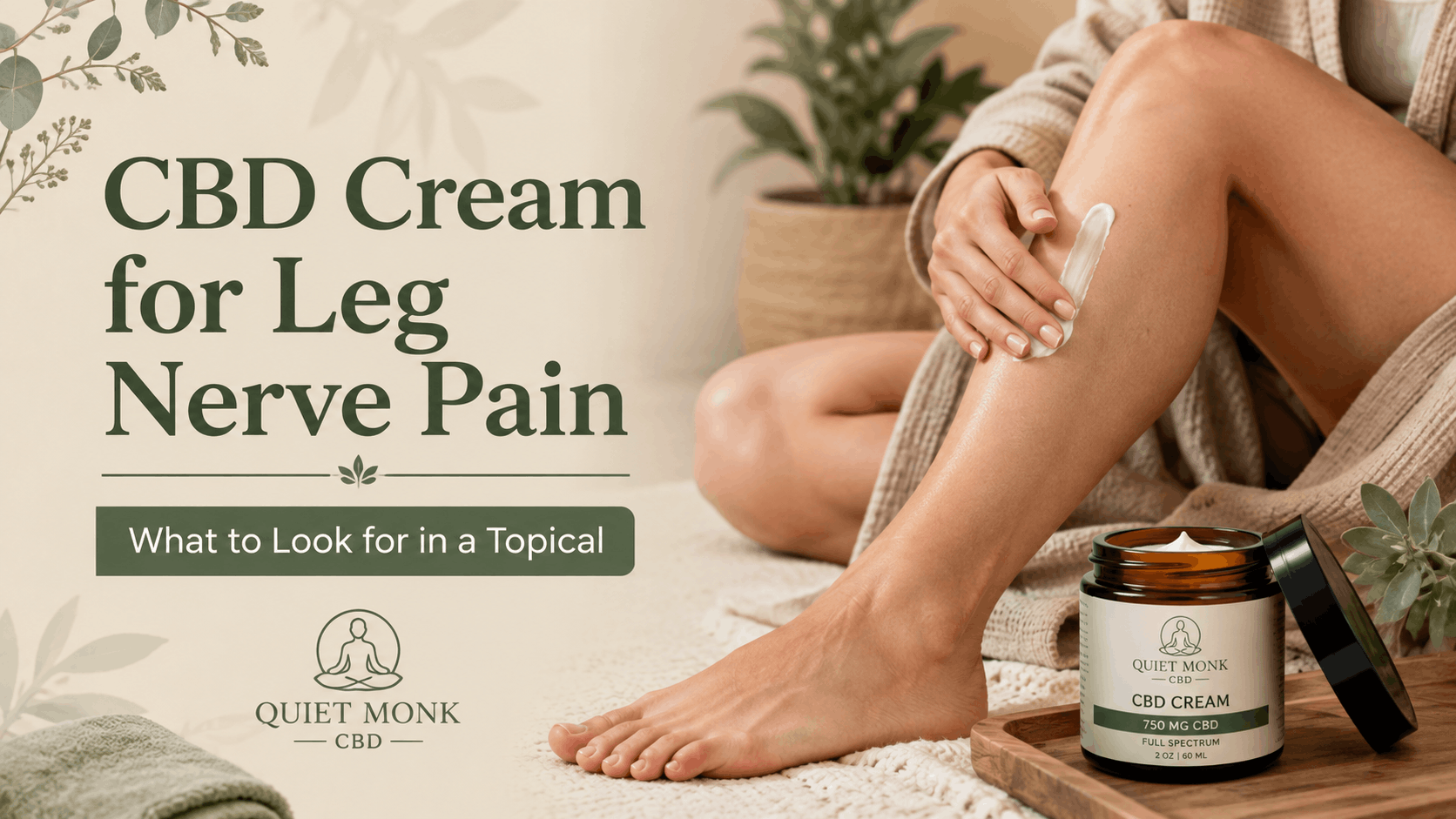
CBD cream for leg nerve pain

If you’re looking for a CBD cream for leg nerve pain, the first thing I’d say is not to get too caught up in the product name.

Cream, balm, salve, lotion, gel — people use all of these terms when they’re trying to find something topical for a specific area.

What matters more is how the product is made, how strong it is, how it feels on the skin, and whether it actually fits the way you want to use it.

The other thing to remember is that nerve-related discomfort in the legs can come from a lot of different causes.

People may describe burning, tingling, pins and needles, numbness, sensitivity, or strange hot and cold sensations.

Sometimes that may be related to peripheral neuropathy. Other times it can come from a back problem, nerve compression, an injury, diabetes, medication, a vitamin deficiency, or something else entirely.

So while a topical may be something you use for comfort, it should not replace figuring out why the symptoms are happening.

Why People Use CBD Cream on the Legs

Creams make sense for the legs because they’re easy to spread.

A thick salve or balm can work well on a small area, but cream is usually easier if you’re covering:

  • The calf
  • Shin
  • Ankle
  • Foot
  • Knee area
  • A larger section of the leg

That’s one of the biggest practical differences.

A cream usually feels lighter, spreads faster, and is easier to work into the skin.

For people using a topical every day, that can matter quite a bit.

Does CBD Cream Help Leg Nerve Pain?

There is some early research on topical CBD and peripheral neuropathy.

One small randomized study looked at people with neuropathy affecting the lower legs and feet. The researchers reported improvement in some symptoms among people using topical CBD compared with placebo.

I think that’s interesting.

But it was still a small study, and it doesn’t prove that CBD cream repairs nerves, cures neuropathy, or works for everyone.

That’s where some CBD companies go too far.

There is enough research to make topical CBD worth studying, but not enough to make big medical promises.

If your symptoms are mainly at night and involve restlessness in the legs, see our guide to CBD cream for restless leg syndrome.

What Strength CBD Cream Should You Look For?
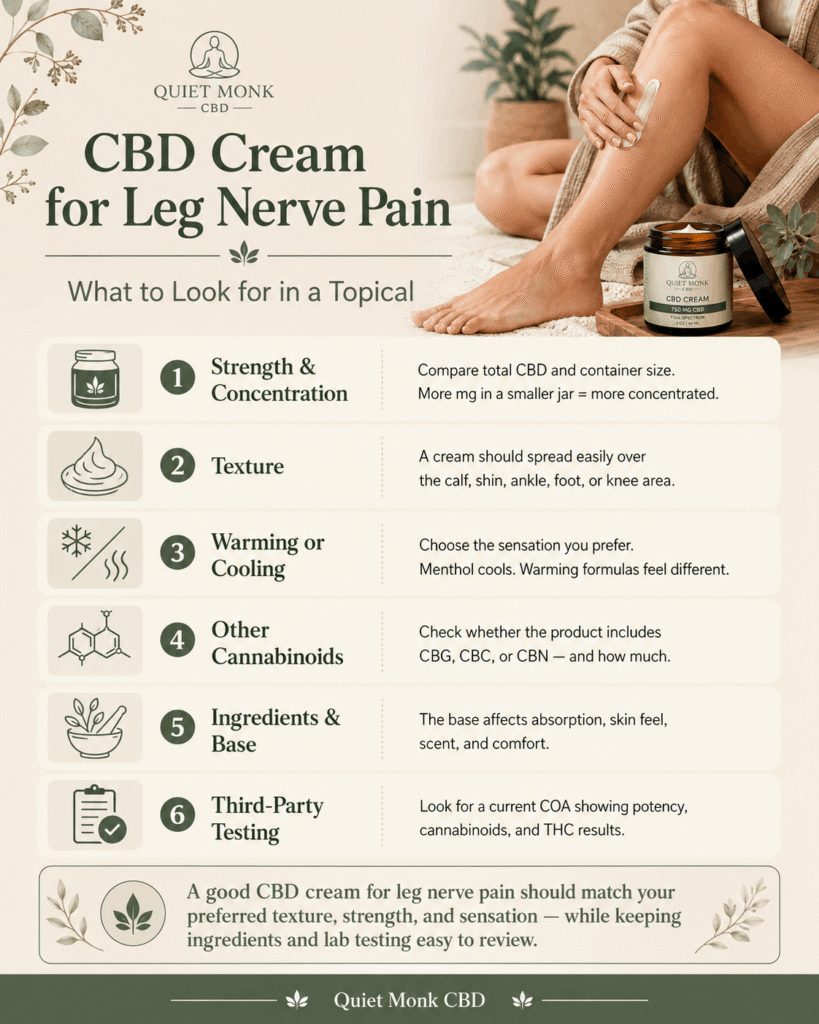
CBD cream for leg nerve pain checklist

This is probably the question we get asked the most.

There isn’t a medically established CBD strength for nerve pain.

You’ll find products with:

500mg
1,000mg
2,000mg
5,000mg
10,000mg
and even more

But the number on the front only tells you part of the story.

You also need to know the container size.

For example:

5,000mg in a 4-ounce jar is a lot more concentrated than 5,000mg in an 8-ounce jar.

So I always think it makes more sense to compare:

total CBD + container size

instead of just looking for the biggest number.

If another cannabinoid like CBG is included, I’d look at that amount too.

Warming or Cooling for Leg Nerve Discomfort?

This really comes down to preference.

Cooling creams often contain menthol, which gives that familiar cold sensation. Some people really like that feeling, especially if they already use cooling sports creams or gels.

Others prefer warmth and do not like a strong menthol effect.

At Quiet Monk CBD, we offer both a warming CBD neuropathy cream and a cooling neuropathy topical so people can choose the sensation they prefer.

Neither warming nor cooling means the product is repairing the nerve itself. It is simply part of how the topical feels when you use it.

At Quiet Monk CBD, we make a CBD cream for nerve-discomfort for people who prefer a little bit of warmth over a strong cooling sensation.
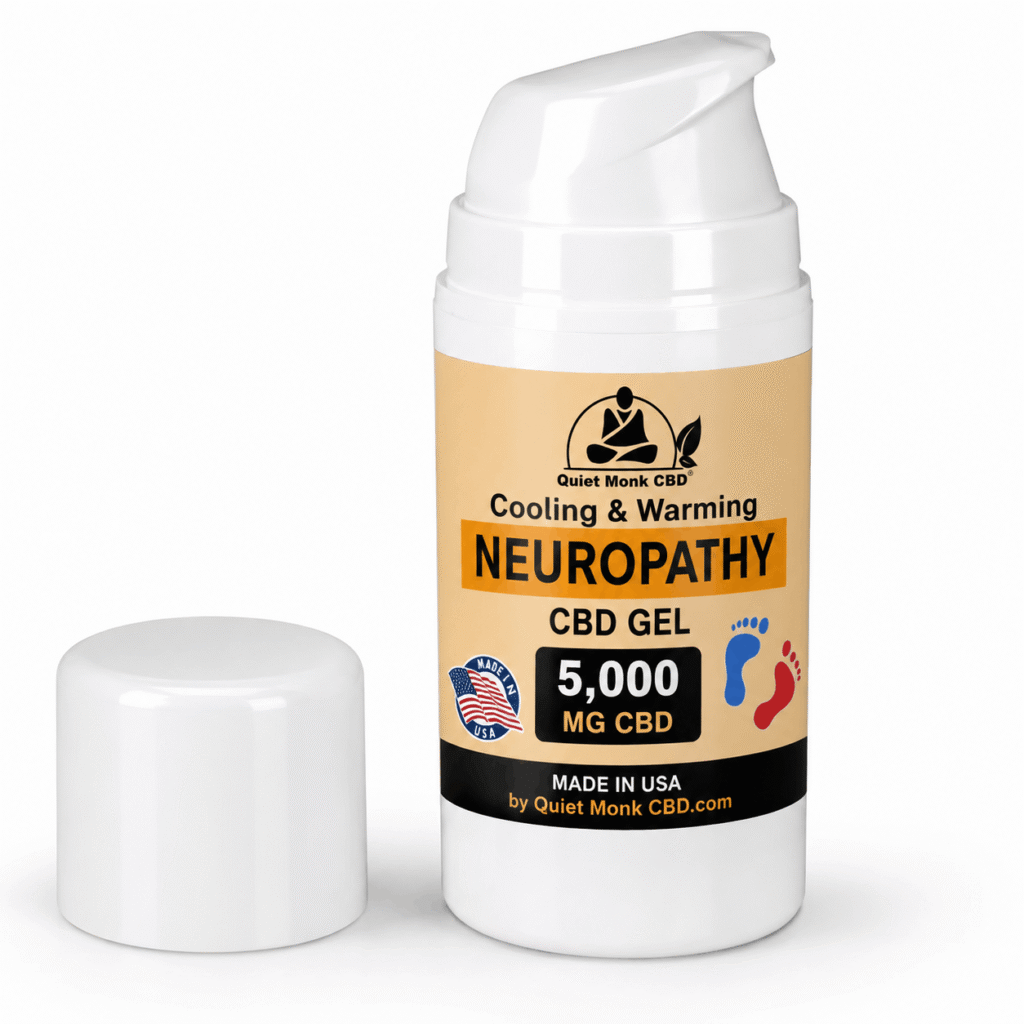
CBD Cream for Neuropathy

That doesn’t mean a warming cream is fixing the nerve itself.

It just gives the user a different topical experience.

What About CBD Cream for Foot Nerve Pain?

The feet are one of the most common places people notice nerve-related symptoms.

That can include:

  • Burning
  • Tingling
  • Numbness
  • Pins and needles
  • Sensitivity
  • Reduced sensation

A cream can be convenient because it spreads easily over the top of the foot, heel, ankle, and lower leg.

But there is one thing I would be careful about.

If you already have reduced sensation in your feet, especially if you have diabetes or another condition that affects circulation or feeling, make sure you are checking the skin regularly.

If you can’t feel irritation, cuts, or hot and cold temperatures normally, that matters more than the topical itself.

Does CBG Matter?

CBG is showing up in more CBD topicals now.

You’re also starting to see CBC and CBN used in some formulas.

I think the interesting part is not just whether the cannabinoid is listed.

It’s how much is actually there.

For example:

5,000mg CBD + 500mg CBG

is very different from:

5,000mg CBD + 20mg CBG

Both can technically say CBD + CBG on the label.

That’s why I like seeing the actual cannabinoid amounts clearly disclosed.

If you’re paying extra for a multi-cannabinoid product, you should know what you’re getting.

Don’t Ignore the Base Ingredients

One thing people forget is that CBD is only part of what you’re putting on your skin.

The base matters a lot.

It determines:

  • How greasy the product feels
  • How quickly it absorbs
  • How easy it is to spread
  • Whether it warms or cools
  • Whether it has a scent
  • Whether you actually enjoy using it

If you have sensitive skin, check the full ingredient list.

A high CBD number doesn’t automatically mean the formula is going to feel good on your skin.

Third-Party Testing Matters

If a company says a topical contains 5,000mg or 10,000mg of CBD, there should be lab testing behind that number.

A certificate of analysis, or COA, can help confirm what cannabinoids were detected.

I’d look for:

  • CBD potency
  • CBG or other cannabinoids
  • THC results
  • Lab name
  • Test date
  • Batch or lot information

The stronger the potency claim, the more important I think this becomes.

When Leg Nerve Symptoms Should Be Checked Out

This is the part I would not ignore.

If you have:

  • Persistent numbness
  • Weakness
  • Burning that keeps getting worse
  • Loss of sensation
  • Balance problems
  • Sudden nerve symptoms
  • Symptoms after an injury
  • Symptoms that keep spreading

it’s worth talking with a healthcare professional.

A topical may be something you choose to use for comfort, but it can’t tell you what is causing the problem.

And the underlying cause matters.

What Should You Look For in a CBD Cream for Leg Nerve Pain?

I would keep it simple.

Look at the strength.

Look at the size of the container.

Decide whether you prefer warming, cooling, or no sensation.

Check the other cannabinoids.

Read the full ingredient list.

Make sure the product has third-party testing.

And most importantly, be realistic about what the product can and cannot do.

CBD cream may be part of someone’s comfort routine, but persistent nerve symptoms deserve more attention than just changing the topical.

Want to Compare More Neuropathy Topicals?

If you prefer a warming formula, you can see our Neuropathy CBD Warming Cream and review the strength, ingredients, and lab testing.

If you want to compare more options first, you can also browse our neuropathy gels and topicals.

Steven Gregoire is the founder of Quiet Monk CBD and has been involved in developing and selling CBD topicals for years. His work focuses on high-potency creams, salves, gels, and multi-cannabinoid formulations, with an emphasis on clear labeling, third-party testing, and helping customers understand the differences between topical products.

Steven is not a medical professional, and the information in this article is for general educational purposes.

Posted on

Does CBD Lotion Help Nerve Pain? What the Research Says

# Does CBD Lotion Help Nerve Pain? What the Research Says If you’ve ever searched for something topical for nerve discomfort, you’ve probably seen everything from CBD lotion and cream to salves, balms, gels, and roll-ons. At first glance, they all look pretty similar. But they can feel very different on the skin, and the amount of CBD in them can vary a lot. So the real question is: **Does CBD lotion help nerve pain?** There is some early research on topical CBD and neuropathy-related symptoms, and I think it is worth paying attention to. But we are still nowhere near the point where I would call CBD lotion a proven treatment for neuropathy or nerve damage. That distinction matters. ## Why People Look at CBD Lotion for Nerve Pain A lot of people like topical products because they can apply them directly to the area that is bothering them. If the discomfort is in a foot, leg, hand, shoulder, or another specific spot, using a topical can feel more practical than taking something orally. That is one of the reasons CBD lotions and creams have become popular. They are easy to use, easy to spread, and can be worked into a normal daily routine. Whether the CBD itself provides significant relief is a separate question, and that is where the research is still developing. ## What Does the Research Actually Show? One small randomized study looked at topical CBD in people with peripheral neuropathy affecting the legs and feet. The researchers reported improvement in some symptoms compared with placebo. That is interesting, especially because there are not many human studies specifically looking at topical CBD for nerve-related symptoms. But it was still a small study. I would not take it to mean that CBD lotion: * Repairs damaged nerves * Cures neuropathy * Fixes the underlying cause of nerve pain * Works the same way for everyone There is simply not enough evidence for those kinds of claims. What I think is fair to say is that topical CBD is being studied, and there is some early human research suggesting it deserves more attention. ## Is CBD Lotion Different From CBD Cream? Yes, but not in a dramatic way. The main difference is usually the texture. A lotion normally contains more water, so it feels thinner and spreads more easily. A cream is usually thicker and can feel a little richer on the skin. If you are applying something over a larger area, lotion can be convenient. If you want something more concentrated or a little heavier, a cream may make more sense. There is no evidence showing that lotion works better than cream for nerve pain. The difference is mostly about how the product feels and how you prefer to use it. ## What About CBD Cream for Leg Nerve Pain? The legs and feet are common places where people describe nerve-related symptoms. You may hear people talk about: * Burning * Tingling * Numbness * Pins and needles * Sensitivity * Strange hot or cold sensations The problem is that those symptoms can come from a lot of different things. It could be neuropathy. It could be nerve compression. It could be related to diabetes, a back issue, an injury, medication, a vitamin deficiency, or something else. That is why I would not assume every tingling or burning sensation is the same problem. A topical may be something you use on the area, but it does not tell you why the symptoms are happening. ## How Strong Should a CBD Lotion Be? This is probably one of the most confusing parts of shopping for CBD topicals. You can find products with: 500mg 1,000mg 2,000mg 5,000mg 10,000mg or even more But the total number does not tell you everything. You also need to know how big the container is. For example: 5,000mg CBD in a 4-ounce bottle is more concentrated than 5,000mg in an 8-ounce bottle. So I always think it makes more sense to compare: **total CBD + container size** instead of only looking at the largest number on the label. There is no medically established CBD topical dose for neuropathy, so I would be cautious of any company telling you that a certain milligram amount is the “correct” strength for nerve pain. ## Warming vs. Cooling CBD Topicals This is another thing people sometimes overlook. Some CBD lotions and creams are made to feel cool. Others are warming. Some do neither. Cooling products often contain menthol. If you like that icy sensation, that may be exactly what you want. But some people really do not like menthol, especially if they are using the product regularly. That is one reason we make a [CBD warming cream for targeted nerve-discomfort routines](https://www.quietmonkcbd.com/product/neuropathy-cbd-warming-cream/). It gives people another option if they want a topical without that strong cooling feel. The warming or cooling sensation does not mean the product is fixing the nerves. It is simply part of how the topical feels when you use it. ## Does CBG Make a Difference? You are also starting to see more CBD topicals that include CBG. Some formulas are now adding CBC or CBN too. I think that is interesting, especially as more research comes out, but I would still pay attention to how much is actually in the product. There is a big difference between: **5,000mg CBD + 500mg CBG** and **5,000mg CBD + 20mg CBG** Both products can say “CBD + CBG” on the front. That is why I like seeing the actual cannabinoid amounts listed clearly. If you are paying more for a multi-cannabinoid product, you should know what you are actually getting. ## Do Not Ignore the Base Ingredients One thing people forget is that the cannabinoids are only part of what you are putting on your skin. The base matters a lot too. The ingredients determine: * How greasy it feels * How quickly it absorbs * Whether it warms or cools * Whether it has a scent * How easy it is to spread * Whether it feels comfortable on your skin If you have sensitive skin or know you do not like menthol, fragrance, or certain botanical ingredients, read the full label. A high CBD number does not automatically mean you are going to like the product. ## Third-Party Testing Matters If a company says a topical contains 5,000mg or 10,000mg of CBD, there should be lab testing behind that number. A certificate of analysis, usually called a COA, can help show what cannabinoids were detected in the tested sample. I would look for: * CBD potency * Other cannabinoid levels * THC results * Lab name * Test date * Batch or lot information The higher the potency claim, the more important I think this becomes. ## When Nerve Symptoms Need More Attention This is the part that should not get lost in the CBD discussion. If you have ongoing numbness, weakness, burning, tingling, balance problems, or loss of sensation, it is worth getting checked out. Especially if the symptoms are getting worse. A topical may be something you choose to use for comfort, but it should not replace figuring out what is causing the problem. Nerve symptoms can come from many different conditions, and the underlying cause matters. ## So, Does CBD Lotion Help Nerve Pain? There is some early evidence suggesting topical CBD may be helpful for certain neuropathy-related symptoms. I think that is encouraging. But the evidence is still limited, and CBD lotion should not be treated like a proven medical treatment for neuropathy or damaged nerves. If you decide to try a topical, I would focus on a few practical things: How strong is it? How big is the container? Do you prefer lotion or cream? Do you want warming or cooling? What other cannabinoids are included? Has it been third-party tested? And most importantly, are the claims realistic? That will usually tell you a lot more about the product than a big number on the front of the label.

If you’ve ever searched for something topical for nerve discomfort, you’ve probably seen everything from CBD lotion and cream to salves, balms, gels, and roll-ons.

At first glance, they all look pretty similar.

But they can feel very different on the skin, and the amount of CBD in them can vary a lot.

So the real question we always get is:

Does CBD lotion help nerve pain?

There is some early research on topical CBD and neuropathy-related symptoms, and I think it is worth paying attention to. But we are still nowhere near the point where I would call CBD lotion a proven treatment for neuropathy or nerve damage.

Continue reading Does CBD Lotion Help Nerve Pain? What the Research Says
Posted on

CBD Salve vs. Cream for Nerve Pain: What’s the Difference?

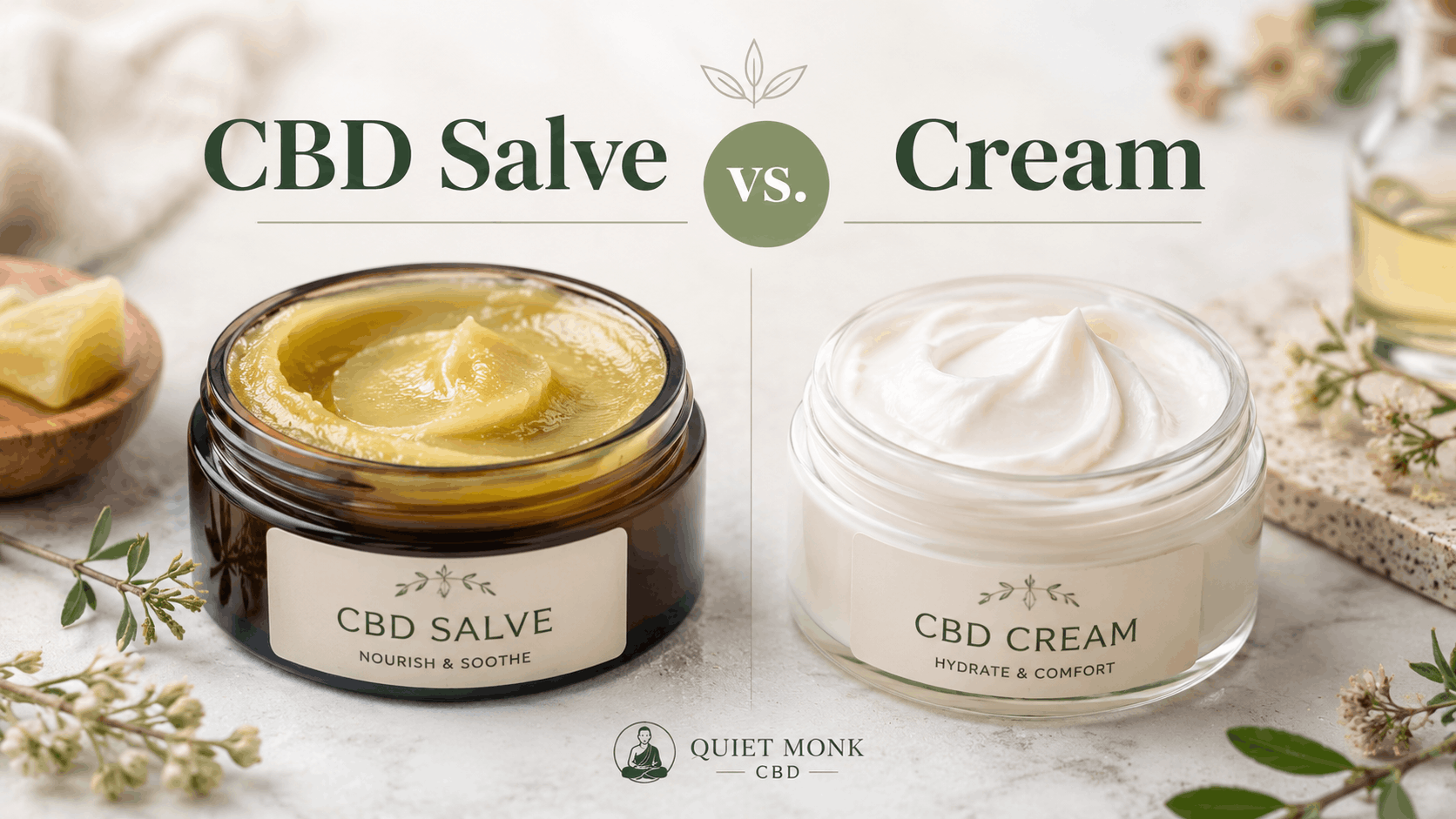
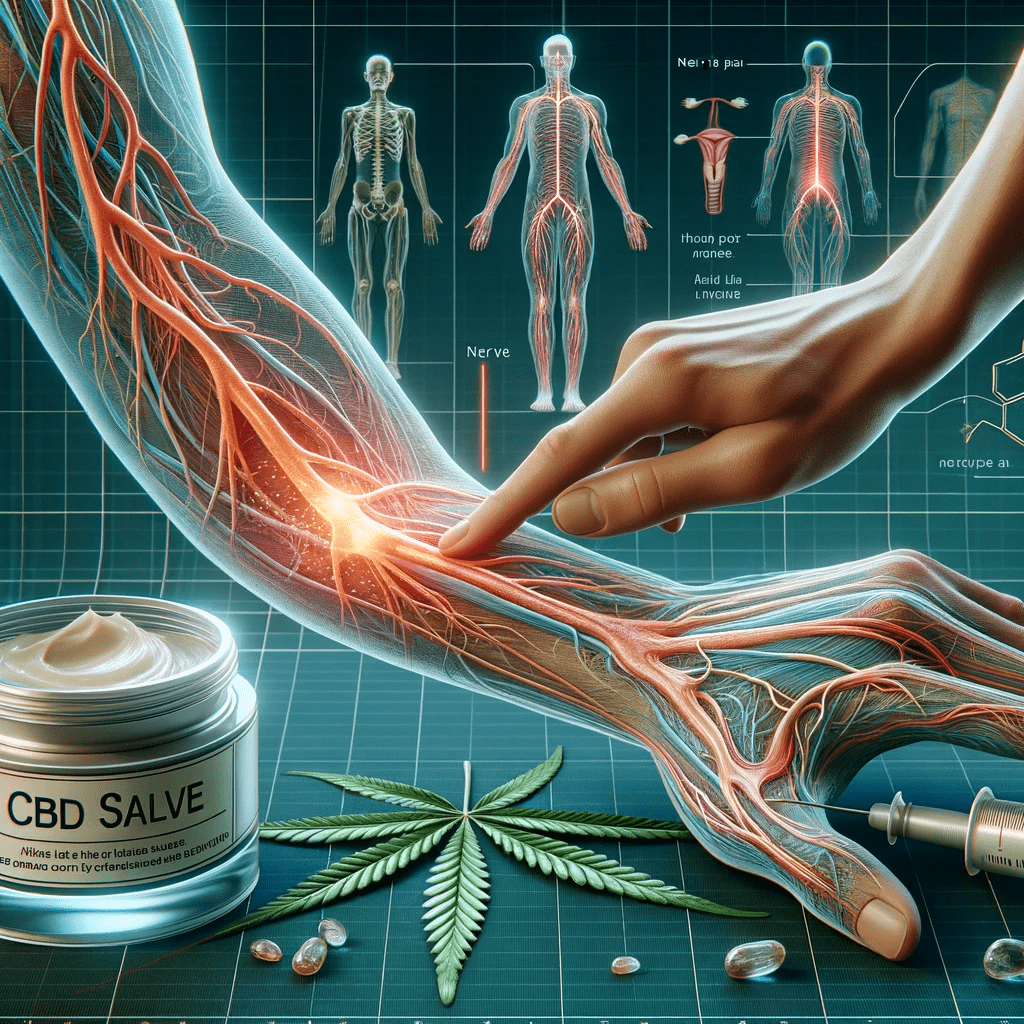
CBD Salve VS Cream

If you’ve been searching for a CBD topical for nerve discomfort, you’ve probably noticed how many different names are used.

CBD salve. CBD balm. CBD cream. CBD lotion. CBD rub. CBD ointment.

It can make things way more confusing than they need to be.

The truth is, a lot of these products are used in a very similar way. The biggest difference is usually the base formula, how thick it is, how fast it absorbs, and whether it gives you a warming or cooling sensation.

So if you’re trying to decide between a CBD salve for nerve pain and a CBD cream, I wouldn’t focus too much on the name alone.

Continue reading CBD Salve vs. Cream for Nerve Pain: What’s the Difference?
Posted on

CBD Cream Strength Comparison

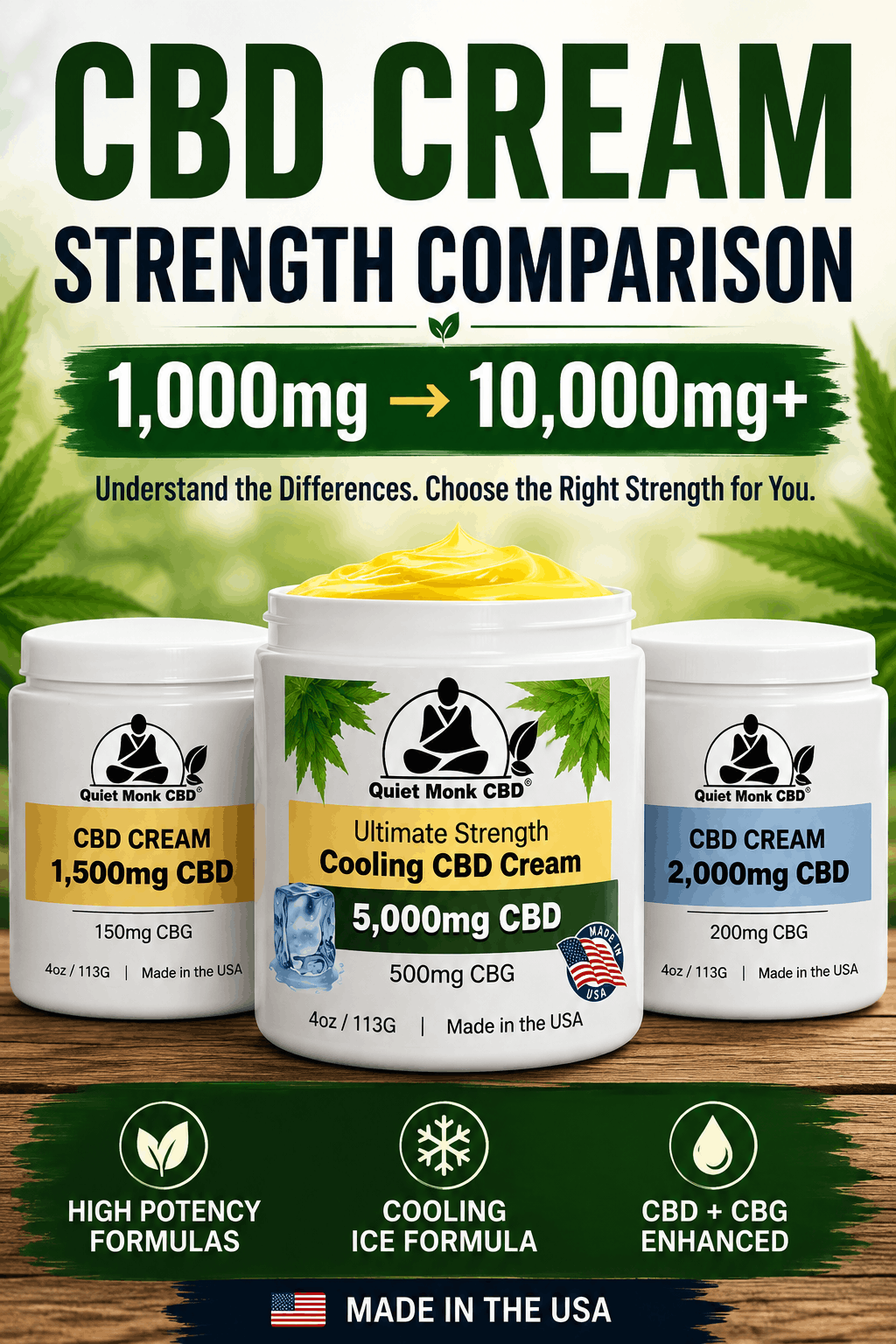
1500mg vs 2000mg CBD cream strength comparison

CBD cream strength can be confusing.

What is the difference between a 1,000mg, 1,500mg, 2,000mg, 5,000mg or 10,000mg CBD cream? And does a higher number automatically mean one product is better?

The first thing to understand is that the milligram number on a CBD cream generally represents the total amount of CBD in the entire container.

It does not represent the amount of CBD you receive every time you apply the cream.

Continue reading CBD Cream Strength Comparison
Posted on

The Top Benefits of CBD and CBG

CBG is an effective additive to CBD that offers numerous health advantages of its own. Interacting with the endocannabinoid system, CBG regulates mood, stress levels, sleep quality and pain to provide effective regulation for better quality life.

Molecularly speaking, CBD interacts with CB1 and CB2 receptors to increase GABA production, thus relieving anxiety and improving sleep quality.

Continue reading The Top Benefits of CBD and CBG
Posted on

CBD Roll On Gel: How It Works & What to Look For

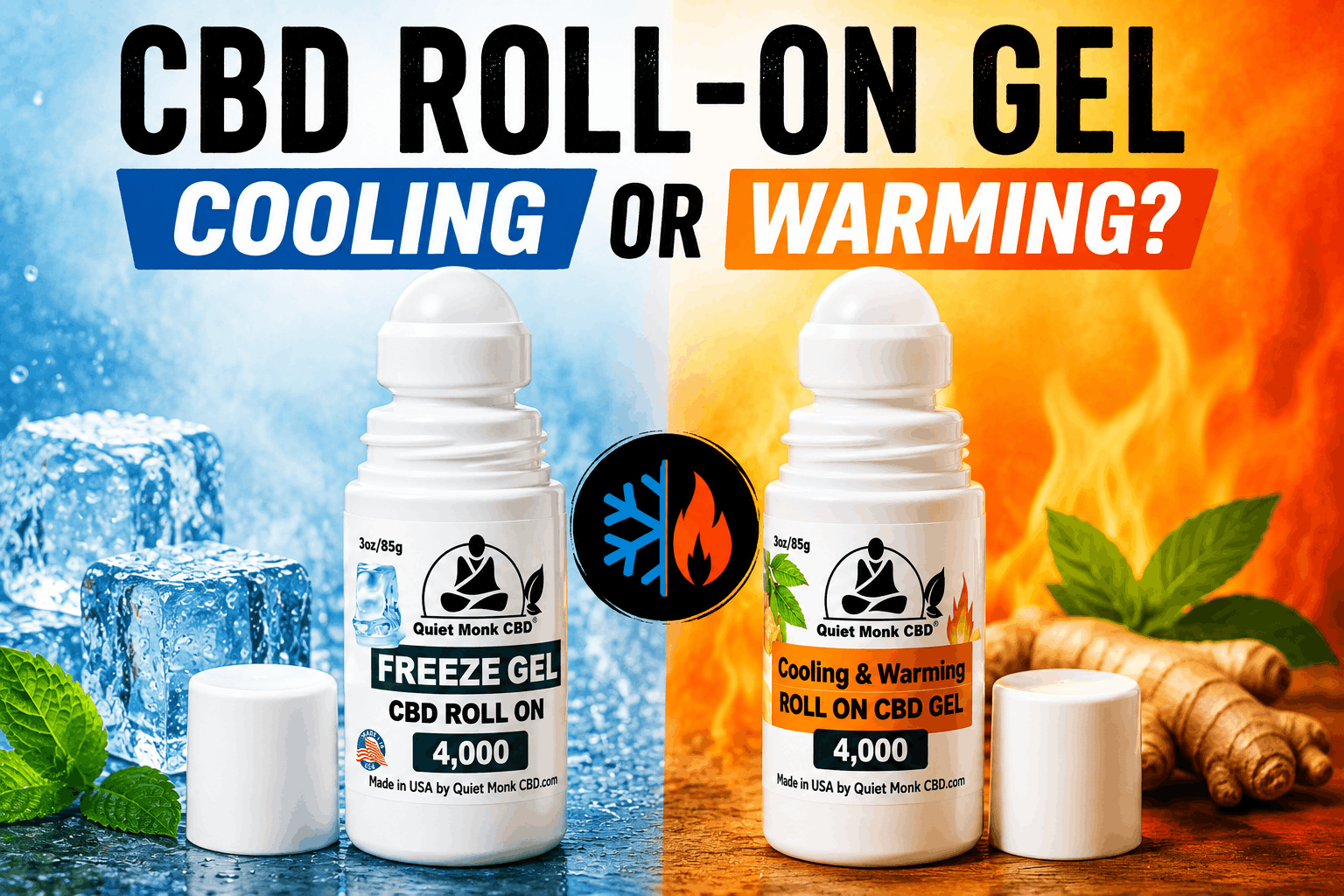
CBD Roll On Gel by Quiet Monk

CBD topicals come in a lot of different forms, but roll-on gels are probably one of the easiest to use.

Instead of scooping a cream or salve out of a jar, you simply roll the product directly onto the area where you want it. There’s very little mess, you don’t have to get much product on your hands, and the bottle is easy to take with you.

At Quiet Monk CBD, we’ve sold different types of topicals over the years, including creams, salves, sticks and roll-on gels. One thing I’ve learned is that there isn’t one format that’s right for everybody.

Some customers prefer a thick salve. Others want a cream that absorbs quickly. And some simply like the convenience of a CBD roll-on gel.

Continue reading CBD Roll On Gel: How It Works & What to Look For
Posted on

Ways To Soothe Red Skin

As we go through life, there are times when our skin can become irritated and red. This can be caused by many different factors, including sunburn, allergies, dryness, and even certain medical conditions. Red skin can be uncomfortable, unsightly, and sometimes painful. Fortunately, there are many things you can do to soothe red skin and get it back to its healthy, glowing state. Here are a few tips that can help you to do just that:

How much cbd cream to use

1. Introduction

Red skin can be caused by a variety of factors and can be both uncomfortable and unsightly. Fortunately, there are many things you can do to soothe your red skin and restore its healthy glow. In this comprehensive guide, we will go over 13 tips that can help you to achieve just that.

2. Identify the Cause of Your Red Skin

The first step in treating red skin is to identify what is causing the irritation. This can be done by paying attention to when the redness occurs and what activities or products you were using at the time. Some common causes of red skin include sunburn, allergies, dryness, and medical conditions like eczema and rosacea.

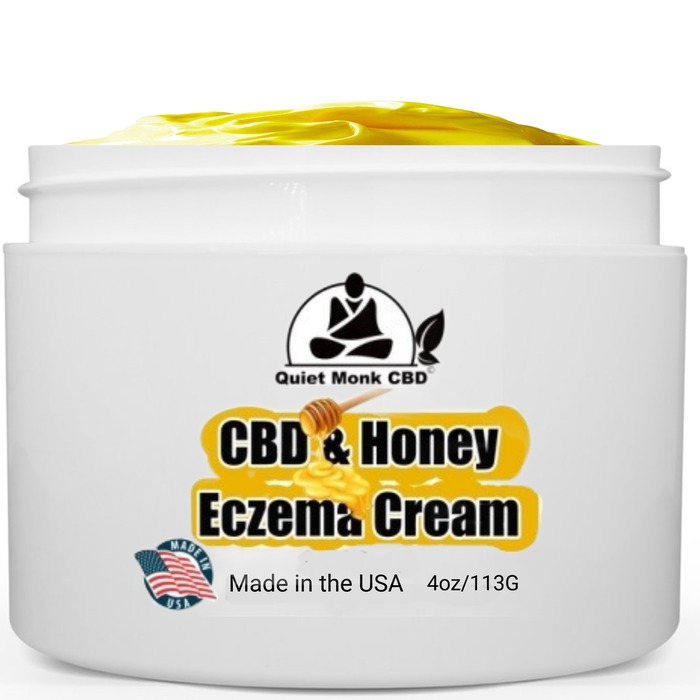
If you are struggling with Eczema then try our CBD cream for eczema with manuka honey!

cbd eczema cream with honey

3. Keep Your Skin Moisturized

One of the most important things you can do to soothe red skin is to keep it moisturized. Dry skin is more prone to irritation and can exacerbate redness. Look for moisturizers that are free from fragrances and other irritants and apply them liberally to your skin.

4. Avoid Hot Water

Hot water can be very drying to the skin and can make redness worse. Stick to lukewarm water when showering or bathing and avoid long, hot showers.

5. Use a Gentle Cleanser

Using a gentle cleanser can help to soothe red skin and prevent further irritation. Look for cleansers that are free from fragrances, dyes, and other harsh chemicals.

6. Apply a Cool Compress

Applying a cool compress to the affected area can help to reduce inflammation and soothe red skin. Simply soak a clean cloth in cool water and apply it to the affected area for 10-15 minutes at a time.

7. Take a Lukewarm Bath with Oatmeal

Taking a lukewarm bath with oatmeal can help to soothe red, itchy skin. Oatmeal is known for its anti-inflammatory properties and can help to reduce redness and irritation.

8. Avoid Harsh Chemicals

Harsh chemicals like fragrances, dyes, and alcohol can exacerbate redness and irritation. Look for products that are free from these ingredients and opt for natural, gentle products whenever possible.

9. Wear Loose Clothing

Tight clothing can rub against the skin and cause further irritation. Opt for loose, breathable clothing that won’t rub against your skin and exacerbate redness.

10. Stay Hydrated

Staying hydrated is important for overall skin health and can help to prevent redness and irritation. Drink plenty of water throughout the day

11. Protect Your Skin from the Sun

Sunburn can cause red, irritated skin that is painful to the touch. Protect your skin from the sun by wearing protective clothing, like hats and long-sleeved shirts, and using a broad-spectrum sunscreen with an SPF of at least 30.

Use Over-the-Counter Products

There are many over-the-counter products that can help to soothe red skin, including hydrocortisone cream, aloe vera gel, and calamine lotion. These products can help to reduce inflammation and soothe irritated skin.

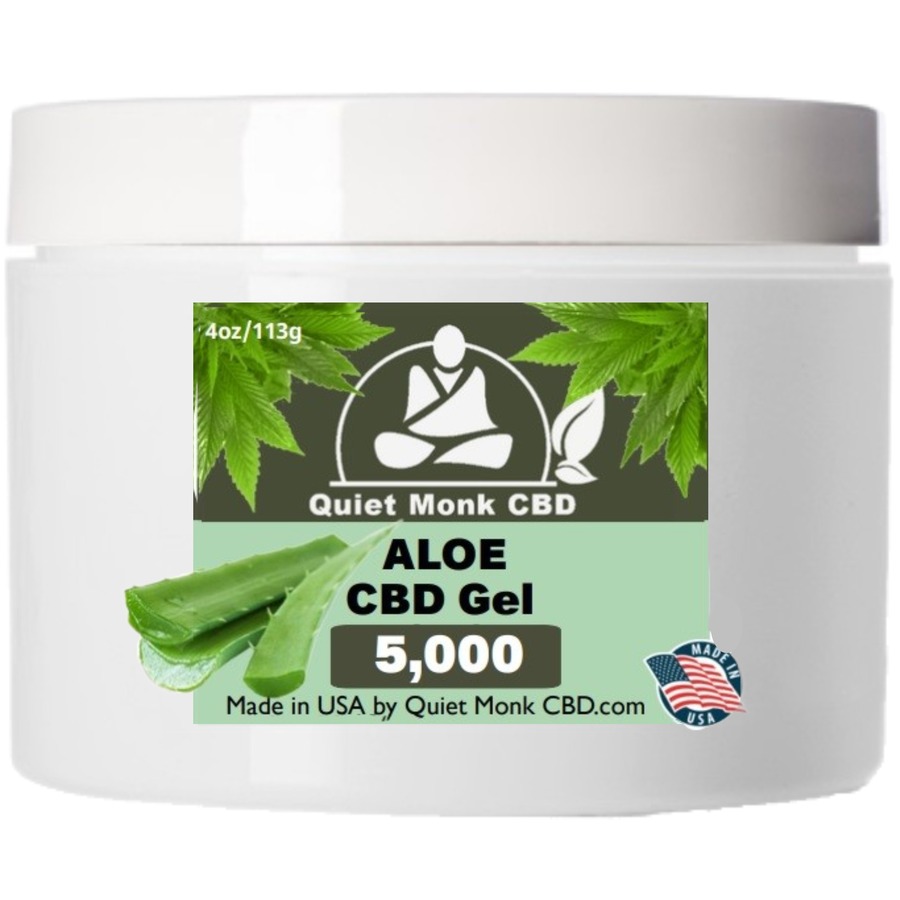
You can try our 5000mg CBD Aloe Gel. A great way to moisturize and calm skin naturaly.

aloe cbd gel 5000mg for arthritis

Consult with a Dermatologist

If your red skin persists or is causing you discomfort, it may be time to consult with a dermatologist. They can help to identify the cause of your redness and recommend treatments that can help to soothe your skin.

Conclusion

Red skin can be uncomfortable, unsightly, and sometimes painful. Fortunately, there are many things you can do to soothe red skin and restore its healthy glow. By following the tips outlined in this comprehensive guide, you can help to reduce inflammation, prevent further irritation, and get your skin back to its healthy, glowing state.

FAQs

  1. What causes red skin? There are many different factors that can cause red skin, including sunburn, allergies, dryness, and certain medical conditions.
  2. How can I soothe red skin? You can soothe red skin by keeping it moisturized, avoiding hot water, using a gentle cleanser, applying a cool compress, taking a lukewarm bath with oatmeal, avoiding harsh chemicals, wearing loose clothing, staying hydrated, protecting your skin from the sun, using over-the-counter products, and consulting with a dermatologist.
  3. What over-the-counter products can help to soothe red skin? Hydrocortisone cream, aloe vera gel, and calamine lotion are all over-the-counter products that can help to soothe red skin.
  4. When should I consult with a dermatologist? If your red skin persists or is causing you discomfort, it may be time to consult with a dermatologist. They can help to identify the cause of your redness and recommend treatments that can help to soothe your skin.
  5. Can I prevent red skin from occurring? You can prevent red skin from occurring by protecting your skin from the sun, staying hydrated, and using gentle, natural products that are free from harsh chemicals and fragrances.
Posted on

How Aloe Vera Works In Topical Gels

    1. Introduction

    Aloe vera gel has been widely recognized as a versatile natural remedy for centuries. Its unique composition, containing various active components, provides numerous benefits for our skin and overall health. In this article, we will explore the aloe vera plant, the properties of aloe vera gel, the science behind how it works, and how to use it safely and effectively.

    2. The Aloe Vera Plant

    2.1. Origins and cultivation

    Aloe vera is a succulent plant species that belongs to the Aloe genus. It originates from the Arabian Peninsula and has since been cultivated around the world, especially in tropical and subtropical regions. The plant’s fleshy leaves store water, which allows it to survive in arid climates.

    2.2. Active components

    The aloe vera plant contains a plethora of biologically active compounds, including vitamins, minerals, enzymes, amino acids, and polysaccharides. These components work together to provide various health benefits.

    3. Aloe Vera Gel and its Benefits

    3.1. Skin hydration

    Aloe vera gel is a natural humectant, meaning it can attract and retain moisture. When applied to the skin, it helps keep the skin hydrated, soft, and supple.

    3.2. Wound healing

    Aloe vera gel has been shown to promote the healing of various types of wounds, including burns, abrasions, and surgical incisions. It enhances collagen synthesis, accelerates skin cell regeneration, and prevents infection.

    3.3. Anti-inflammatory properties

    The gel contains compounds like glycoproteins and polysaccharides, which exhibit anti-inflammatory effects. These can help alleviate pain, redness, and swelling associated with skin irritation and inflammation.

    3.4. Antioxidant properties

    Aloe vera gel is rich in antioxidants such as vitamins C and E, which protect the skin from oxidative stress and environmental damage, promoting a healthy and youthful complexion.

    3.5. Antimicrobial properties

    The gel possesses antimicrobial properties that inhibit the growth of harmful bacteria and fungi, reducing the risk of infection in wounds and helping to maintain skin health.

    4. The Science Behind Aloe Vera Gel

    4.1. Polysaccharides

    Polysaccharides are complex carbohydrates found in aloe vera gel. They play a crucial role in skin hydration, wound healing, and immune system modulation. Acemannan, a prominent polysaccharide in aloe vera, has been shown to stimulate the production of growth factors that promote tissue repair and regeneration.

    4.2. Glycoproteins

    Glycoproteins are proteins with carbohydrate groups attached to them. They contribute to aloe vera gel’s anti-inflammatory and wound healing properties. Some glycoproteins found in aloe vera work by inhibiting the production of pro-inflammatory compounds, while others promote cell migration and tissue repair.

    4.3. Lectins

    Lectins are a group of proteins that can bind to carbohydrates. They play a role in the immunomodulatory and wound healing effects of aloe vera gel. Lectins found in aloe vera stimulate the immune system, which helps fight off infections and accelerate the wound healing process.

    5. How to Use Aloe Vera Gel

    5.1. Topical application

    Aloe vera gel can be applied directly to the skin for various purposes, such as soothing sunburns, treating minor cuts and abrasions, or moisturizing dry skin. Gently apply a thin layer of the gel to the affected area and allow it to absorb. Many people have started making combining cbd and aloe to create cbd gel.

    5.2. Oral consumption

    Some aloe vera products are designed for oral consumption and can offer benefits like supporting digestion and boosting the immune system. Always follow the manufacturer’s instructions and consult your healthcare provider before starting any new supplement regimen.

    6. Choosing the Right Aloe Vera Gel

    When looking for aloe vera gel, choose a product that contains a high percentage of pure aloe vera and is free from artificial colors, fragrances, and unnecessary additives. I would go for organic and cold-pressed aloe vera gel whenever possible to ensure the highest quality and potency.

    7. Precautions and Side Effects

    While aloe vera gel is generally safe for most people, some individuals may experience allergic reactions or skin irritation. It is recommended to perform a patch test before applying the gel to a larger area. If you experience any adverse effects, discontinue use and consult a healthcare professional.

    8. Conclusion

    Aloe vera gel is a versatile and potent natural remedy, offering a range of benefits for our skin and overall health. Its unique composition, which includes polysaccharides, glycoproteins, and lectins, is responsible for its numerous properties. To reap the benefits of aloe vera gel, ensure you choose a high-quality product and follow the appropriate usage guidelines.

    9. FAQs

    Q1: Can I use aloe vera gel on my face? A: Yes, aloe vera gel is gentle enough to use on the face and can help hydrate, soothe, and protect the skin.

    Q2: Can aloe vera gel help with acne? A: Aloe vera gel has antimicrobial and anti-inflammatory properties, which can help reduce acne-causing bacteria and soothe inflammation associated with acne.

    Q3: How often should I apply aloe vera gel? A: The frequency of application depends on the purpose and individual needs. For general skin hydration, you can apply aloe vera gel once or twice a day.

    Q4: Can I use aloe vera gel on my hair? A: Yes, aloe vera gel can be used on hair to provide hydration, reduce frizz, and promote a healthy scalp.

    Q5: Does aloe vera gel expire? A: Aloe vera gel does have a shelf life, which varies depending on the product. Always check the expiration date on the packaging and store the gel as directed to maintain its quality and effectiveness.

    Posted on

    Where to Apply CBD Topically: A Comprehensive Guide

    menthol and muscles

    Cannabidiol (CBD) has become increasingly popular in recent years, thanks to its potential health benefits. One of the most common ways to use CBD is topically, which involves applying the compound directly to the skin. But where exactly should you apply it? In this article, we will provide you with a comprehensive guide on where to apply CBD topically.

    Continue reading Where to Apply CBD Topically: A Comprehensive Guide
    Posted on

    How Does CBD Balm Loosen Muscle Knots?

    loosen muscle knots

    If you’ve ever experienced muscle knots from repetitive motion, working out hard or from sitting too long, you know just how painful they can be. These knots can be caused by stress, tension, or injury, and can make it difficult to perform everyday activities. CBD balm is a natural remedy that has gained popularity for its ability to loosen muscle knots and provide relief. So in this article, we will attempt to explain how CBD balm works and its potential benefits.

    Continue reading How Does CBD Balm Loosen Muscle Knots?
    Posted on

    How Does Topical CBD Make You Feel?

    CBD has become one of the most popular products in the market for its potential benefits to health and wellness. Among the many ways to use CBD, topical application has gained popularity for its localized effects. Topical CBD products come in various forms, such as creams, balms, salves, and lotions. When applied to the skin, topical CBD interacts with the body’s endocannabinoid system, providing a range of benefits. In this article, we will explore how topical CBD makes you feel, its potential benefits, and other important things you need to know.

    Continue reading How Does Topical CBD Make You Feel?
    Posted on

    CBD Cream Prices: How Much Should You Expect to Pay?

    CBD has become increasingly popular in recent years, and for a good reason. The compound is known for its numerous health benefits, including pain relief, anxiety reduction, and improved sleep quality. One of the most popular ways to use CBD is through topical creams. These products are particularly useful for people with localized pain or inflammation.

    However, if you’re new to the world of CBD creams, you may be wondering how much they cost. The truth is, the price of CBD creams can vary widely depending on several factors. In this article, we’ll take a closer look at the factors that affect CBD cream prices and give you a better idea of what you can expect to pay. However you have found one of the few CBD manufacturers that sells to the public at very low prices – Quiet Monk CBD!

    Factors that Affect CBD Cream Prices

    When it comes to CBD cream prices, there are several factors that can influence the cost. Here are a few of the most important:

    1. Quality of Ingredients: The quality of the ingredients used in the CBD cream can have a significant impact on the price. Higher-quality ingredients tend to be more expensive, which can drive up the cost of the final product.
    2. CBD Concentration: Another factor that can affect the price of CBD creams is the concentration of CBD in the product. Generally, creams with higher potency CBD concentrations tend to be more expensive.
    3. Brand Reputation: The reputation of the brand can also affect the price of CBD creams. Established brands with a good reputation may charge more for their products than newer or lesser-known brands.
    4. Product Size: The size of the CBD cream can also affect the price. Larger products tend to be more expensive, while smaller products are typically more affordable.

    Average CBD Cream Prices

    So, how much can you expect to pay for CBD creams? Here’s a breakdown of the average prices based on the factors listed above:

    • Quality of Ingredients: $30-$80 for a 1 oz jar
    • CBD Concentration: $30-$60 for a 1 oz jar with 250-500mg CBD
    • Brand Reputation: $40-$120 for a 1 oz jar
    • Product Size: $20-$60 for a 1 oz jar

    Keep in mind that these prices are just estimates and can vary depending on the brand and the specific product.

    We have some 2000mg cbd creams that start as low as $42 for a 4oz jar and we have 10,000mg creams that are around $120. Typically you will find the same size jars with the same amount of milligrams of CBD at twice the cost of ours.

    5000mg CBD cream
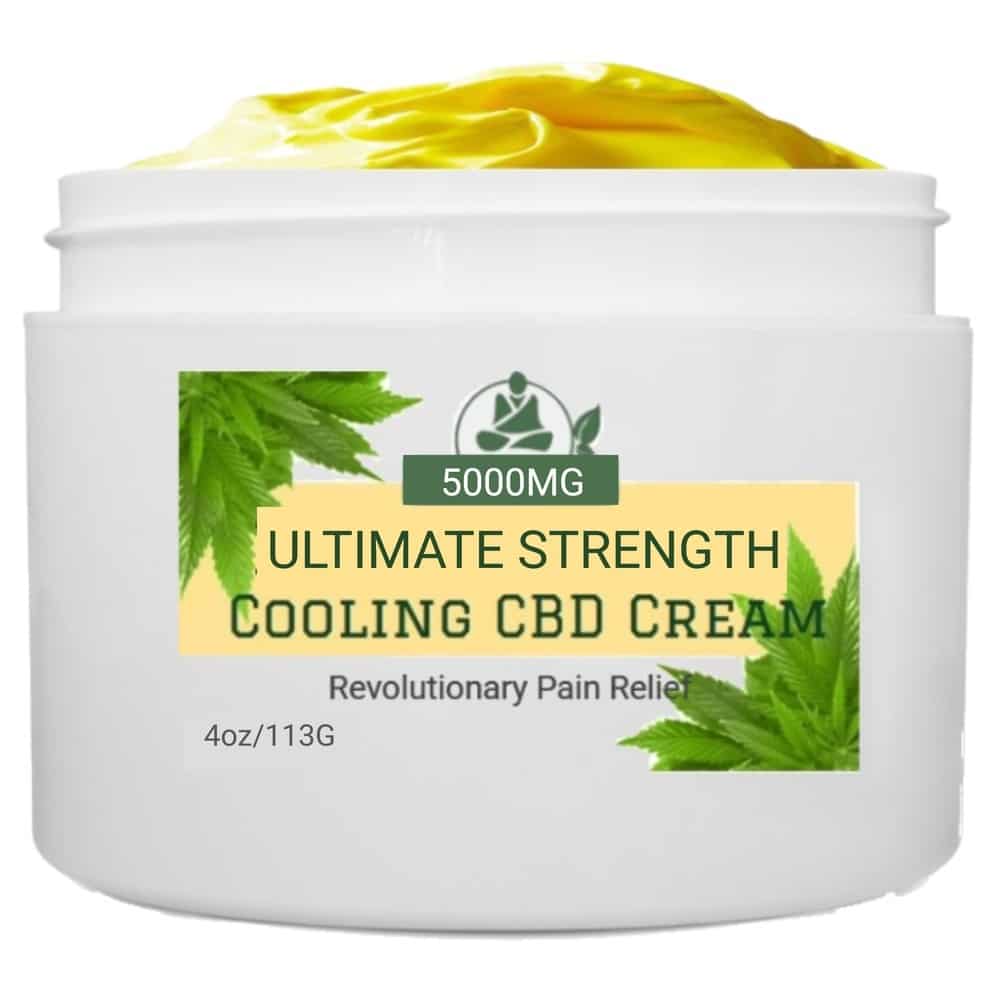
    Check the cost of our Cooling 5000 mg CBD Cream

    Frequently Asked Questions About CBD Cream Prices

    1. Are more expensive CBD creams always better? Not necessarily. While higher-priced creams may contain better quality ingredients or higher CBD concentrations, it’s not always the case. It’s essential to read product labels and customer reviews before making a purchase.
    2. Why are some CBD creams more expensive than others? CBD lotions and creams can be more expensive for several reasons, such as the quality of the ingredients, the CBD concentration, and the brand’s reputation.
    3. Can I find cheaper CBD creams that are still effective? Yes, it’s possible to find high-quality CBD creams at more affordable prices. Look for brands that offer lab results and have positive customer reviews.
    4. Are there any discounts or promotions available for CBD creams? Yes, many CBD brands offer discounts and promotions throughout the year. Be sure to check the brand’s website or sign up for their newsletter to stay informed.
    5. What’s the best way to compare CBD cream prices? To compare CBD cream prices, look for products with similar CBD concentrations and ingredients. Don’t forget to factor in the brand’s reputation and product size as well.

    How to Find Affordable CBD Creams

    If you’re looking for an affordable CBD cream, here are a few tips to help you find one:

    1. Read Product Labels: Check the ingredients and CBD concentration to make sure you’re getting a high-quality product that meets your needs.
    2. Look for Lab Results: Reputable brands should provide third-party lab results that show the product’s potency and purity.
    3. Check Customer Reviews: See what other customers have to say about the product’s effectiveness and value.
    4. Sign Up for Newsletters: Many CBD brands offer exclusive discounts and promotions to their subscribers.
    5. Compare Prices: Compare prices across different brands and products to find the best deal.

    After you have compared other companies prices, come back here to Quiet Monk and see how much you will save buying direct from the manufacturer.

    Conclusion

    In conclusion, CBD creams can vary widely in price depending on several factors, such as quality of ingredients, CBD concentration, brand reputation, and product size. While higher-priced creams may contain better quality ingredients or higher CBD concentrations, it’s not always the case. It’s essential to read product labels, check lab results, and read customer reviews to find a high-quality product that fits your budget. By following these tips, you can find an affordable CBD cream that provides the pain relief and other health benefits you need.

    Posted on

    How Long Does It Take for CBD Cream to Take Effect, and How Long Does the Relief Last?

    quiet monk cbd cream image

    CBD (cannabidiol) has been gaining popularity for its potential health benefits, particularly for pain relief. CBD creams are one of the most popular forms of CBD products available today. They are easy to use and can provide targeted relief for sore muscles and joints.

    Continue reading How Long Does It Take for CBD Cream to Take Effect, and How Long Does the Relief Last?
    Posted on

    Is Your Topical CBD Cream Putting You at Risk of Failing a Drug Test?

    Hey there! Are you curious about whether using CBD cream or lotion can make you fail a drug test? Well, let’s talk about it!

    hemp plant for cbd
    hemp plant for cbd topicals

    What IS CBD

    First of all, let’s clarify what CBD is. CBD stands for cannabidiol, which is a compound found in the cannabis plant. It’s not the same thing as THC, which is the compound that can get you high. CBD is known for its potential therapeutic benefits, such as reducing pain and inflammation.

    In Theory They Test For THC

    Now, when it comes to drug tests, they usually screen for THC, not CBD. So, in theory, using a CBD topical shouldn’t make you fail a drug test. However, there are a few things to keep in mind.

    Type of CBD You Are Using

    One thing to consider is the type of CBD product you’re using. Some products may be labeled as full spectrum actually contain trace amounts of THC (less than 3%). If you want to be sure you’re using a THC-free CBD product, look for ones that are labeled as “broad-spectrum” or “CBD isolate.”

    In general, if you’re using a high-quality CBD product and not using an excessive amount, you should be fine – but if you want to be 100% certain you will pass our best advice is to not use any CBD products – topical or orally!. But if still want to use it, you can always ask your doctor or the person administering the drug test about their policies regarding CBD use.

    If Your Job Has Zero Tolerance

    So, can topical CBD show up on a drug test? It’s possible, but pretty unlikely. Just be sure to use a quality product and use it responsibly, and you should be good to go!

    If you are in a job that has a zero tolerance for THC the best option is to not use any CBD product. We have heard of some people failing a test because they just consumed hemp seeds.

    And remember, if you’re ever feeling anxious or stressed about drug tests or anything else, take a deep breath and relax. Life’s too short to worry too much about these things. Just enjoy your CBD cream and let the good vibes flow!

    What a Govn’t Website Says About The Question “Can topical CBD show on drug test?”

    You can learn more about this at (copy and paste the following link in your browser) According to the artcile their answer to the question Can topical CBD show on drug test? No https://pubmed.ncbi.nlm.nih.gov/28122323/#:~:text=Topical%20application%20of%20THC%20containing,finding%20in%20blood%20or%20urine

    Posted on

    Does CBD Salve Work for Nerve Pain?

    using CBD salve for nerve pain relief

    What is nerve pain?

    Damage to or dysfunction in the nervous system is the primary cause of nerve pain, also referred to as neuropathic pain. It might be brought on by an illness, an injury, or ailments like diabetes, shingles, or multiple sclerosis. A burning, tingling, or shooting sensation that may be continuous or sporadic characterizes nerve pain. Other symptoms, such as numbness and muscle weakness, may also be present.

    Continue reading Does CBD Salve Work for Nerve Pain?
    Posted on

    Is CBD Cream Legal in All States? Here’s What You Need to Know (Plus, a Few Chuckles Along the Way)

    If you’re a senior looking for a natural solution for joint pain, you might have heard about CBD cream. But before you start slathering it on, it’s important to know if it’s legal in your state. The answer? It’s complicated.

    Note: The information in this article or any page on this website does not constitute legal advice. CBD laws continue to evolve and you should seek the most up-to-date information from your governing authority.

    First, let’s start with the basics. CBD, or cannabidiol, is a compound found in cannabis plants. Unlike its psychoactive cousin THC, CBD doesn’t get you high and has been shown to have numerous health benefits, including pain relief. But here’s where it gets tricky: while CBD is legal on a federal level, each state has its own laws and regulations.

    Some states have legalized both medical and recreational cannabis, meaning CBD cream is likely legal as well. Other states have legalized medical cannabis only, meaning you may need a prescription to legally use CBD cream. And then there are states that have yet to legalize any form of cannabis, meaning CBD cream is illegal.

    Cannabidiol (CBD) is technically legal in the United States, Washington D.C., the U.S. Virgin Islands, and Puerto Rico.

    However, protections only extend to CBD cultivated from hemp plants and with a concentration of tetrahydrocannabinol (THC) below 0.3%. (Which ours is well below the 0.3%) Idaho and Nebraska Do not allow any CBD products unless it is 0% THC. (Again the laws can change so please don’t take our word for it.)

    Now, let’s add a little humor to the mix:

    If you live in a state where CBD cream is illegal, don’t worry. You can always try rubbing some oregano on your joints instead. (Just kidding, please don’t do that.)

    If you’re not sure if CBD cream is legal in your state, you could always ask your neighbor who always seems to know everything about everything. (Just be prepared for a long-winded response.)

    And if you do find out that CBD cream is legal in your state, congratulations! You’re officially cooler than your grandkids who still can’t legally drink. (Just don’t rub it in too much.)

    CBD cream is legal on a federal level

    In conclusion, while CBD cream is legal on a federal level, it’s important to know the laws in your state before using it. Whether you’re a seasoned cannabis user or just looking for a new pain relief solution, it’s always a good idea to talk to your doctor and do your research. And hey, if all else fails, there’s always ice cream.

    Posted on

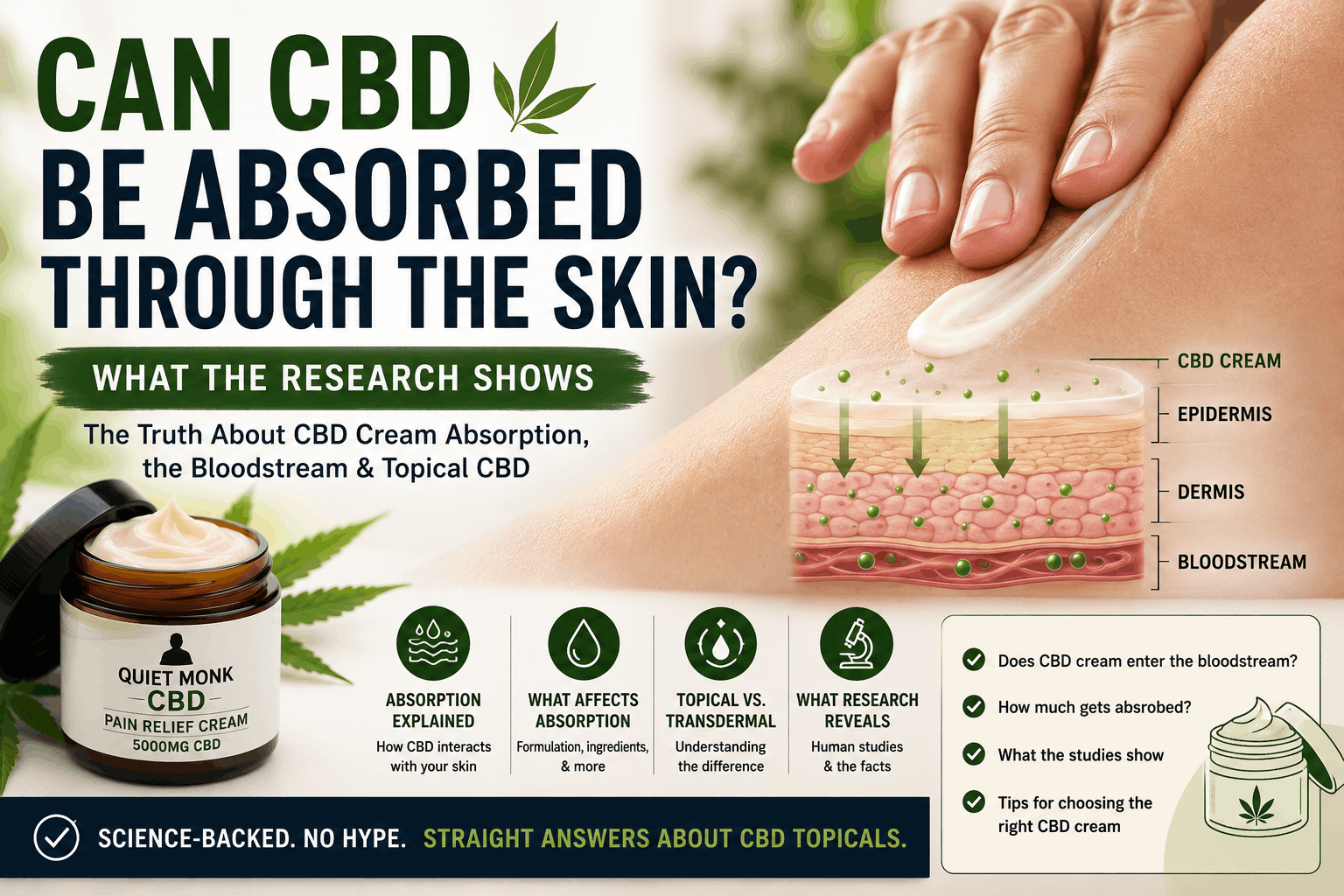
    Can CBD Be Absorbed Through the Skin When Using CBD Creams?

    Can CBD Be Absorbed Through the Skin

    If you’ve ever wondered whether CBD cream actually gets through your skin, you’re not alone.

    This is one of the most common questions I hear about CBD topicals.

    You’ll find some websites saying that CBD cream is completely absorbed through the skin. You’ll find others saying it can’t enter the bloodstream at all.

    Continue reading Can CBD Be Absorbed Through the Skin When Using CBD Creams?