Posted on

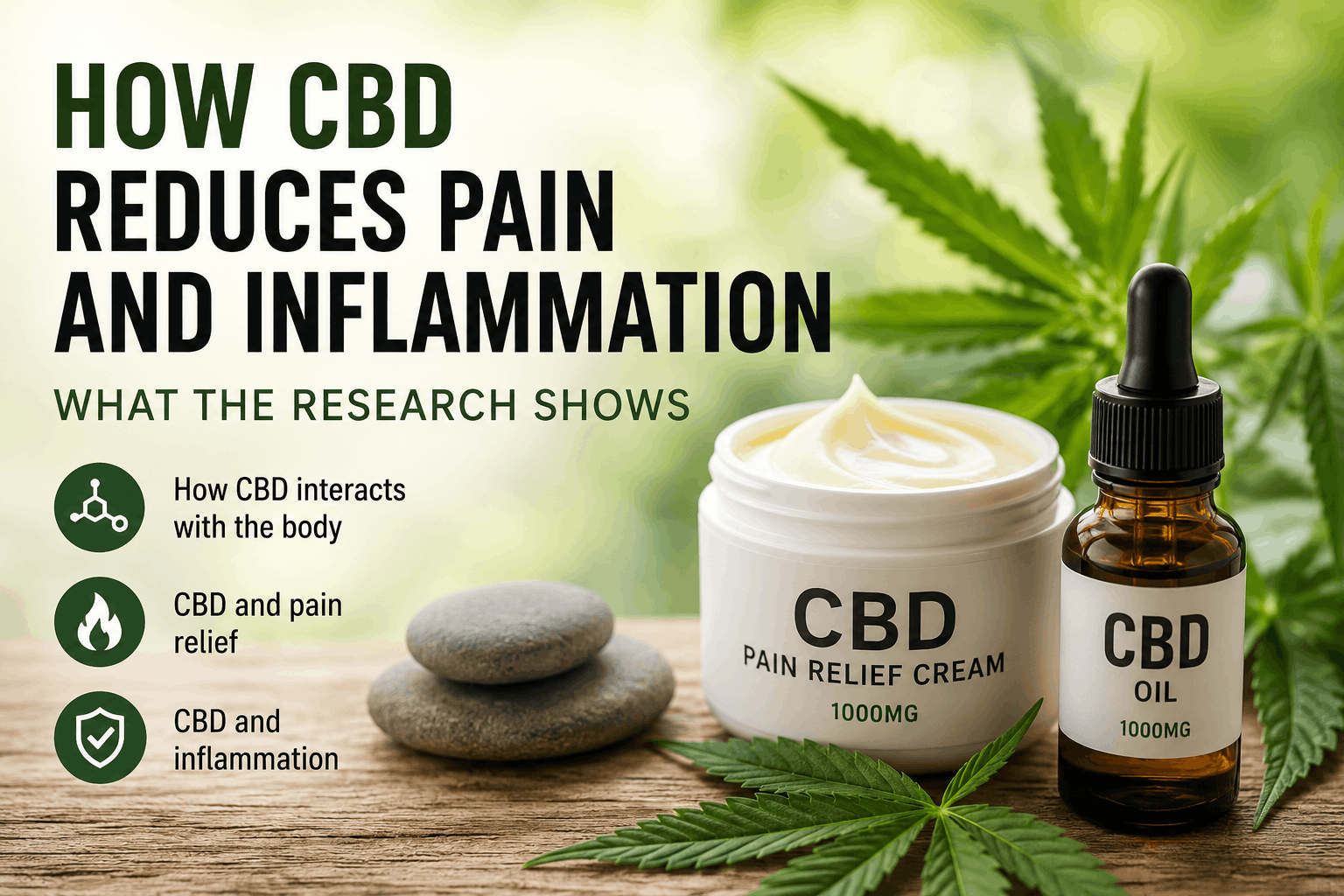
How CBD Reduces Pain and Inflammation: What the Research Actually Shows

How CBD Reduces Pain and Inflammation

If you’ve been researching CBD for pain, you’ve probably seen the phrase “CBD reduces pain and inflammation” quite a bit.

I’ve used that phrase myself over the years because it’s a simple way to describe why people are interested in CBD.

But there’s a problem with making it sound too simple.

Continue reading How CBD Reduces Pain and Inflammation: What the Research Actually Shows
Posted on

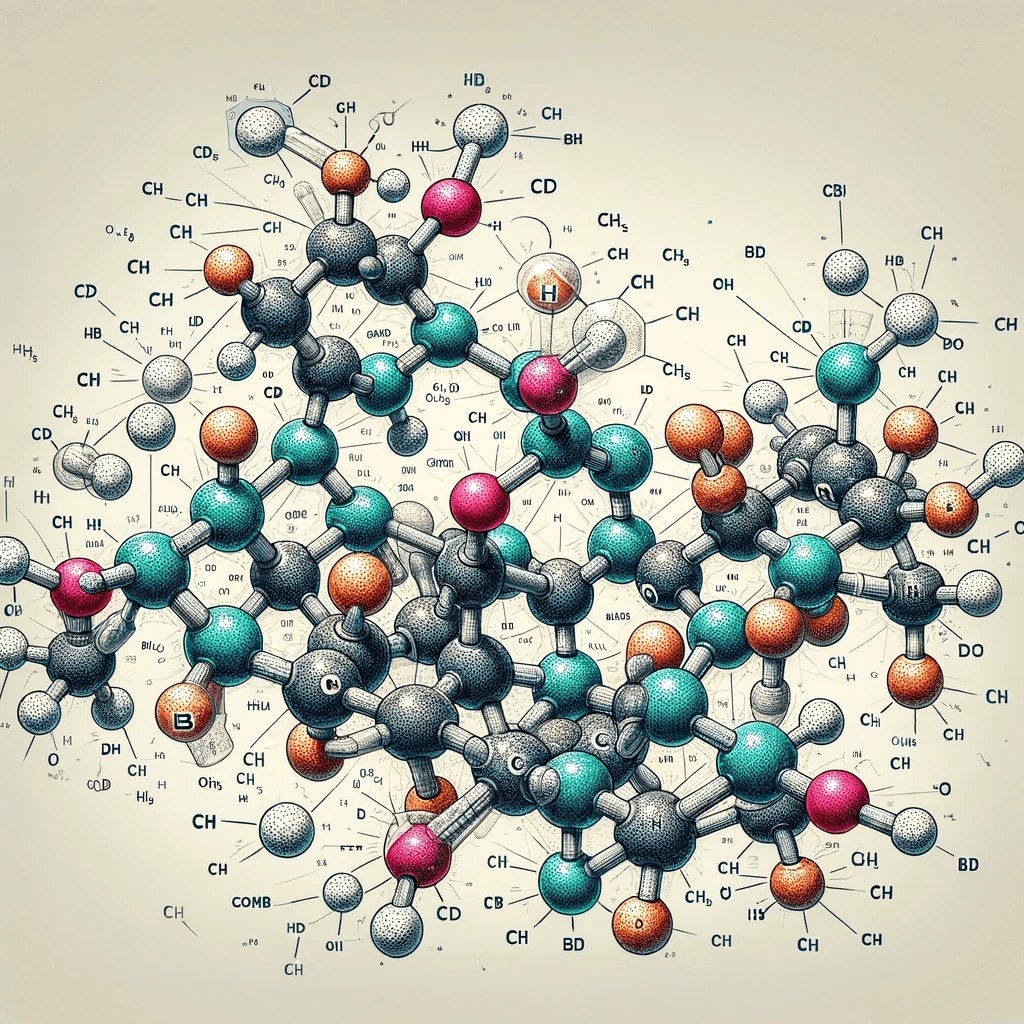
Exploring the Science of CBD: Benefits for Pain, Anxiety, Insomnia, and More

Cannabis and hemp plants are rich in cannabinoids—nearly 100 of them, to be precise. Among these, THC and CBD take center stage. As research into these compounds expands, CBD, in particular, is proving to be effective in addressing numerous health conditions.

Continue reading Exploring the Science of CBD: Benefits for Pain, Anxiety, Insomnia, and More
Posted on

Understanding Terpenes: What They Do and Why They Matter

Terpenes are natural compounds found in plants, responsible for their unique aromas and flavors. While terpenes are best known for giving plants like cannabis, lavender, and citrus fruits their distinctive scents, they also have various therapeutic effects. In this article, we’ll explore what terpenes do, how they work, and why they are gaining popularity in wellness and health products.

Continue reading Understanding Terpenes: What They Do and Why They Matter
Posted on

Mastering CBD Oil: Tips and Tricks for Effective Use

CBD oil as a master

Embarking on your CBD journey can seem daunting with the myriad of options and details to consider. However, understanding what makes a quality, clean, and effective CBD tincture is key. Let us guide you through the process with some top tips and tricks to simplify your CBD oil purchase and usage.

Continue reading Mastering CBD Oil: Tips and Tricks for Effective Use
Posted on

Discover the Magic of CBD Oil for Soothing Chronic Pain!

CBD oil bottle as a magician

Unlock the potential of CBD oil for chronic pain relief! Are you tired of dealing with constant discomfort? CBD oil may be the solution you’ve been seeking. With its natural properties, CBD oil has been gaining attention for its potential to alleviate chronic pain. Join me as we explore the power of CBD oil and how it can provide much-needed relief for those struggling with persistent pain.

Continue reading Discover the Magic of CBD Oil for Soothing Chronic Pain!
Posted on

Unraveling the Mystery: How CBD Oil Tackles Insomnia

insomnia and cbd oil

Are you struggling to get a good night’s sleep? CBD oil has been creating quite a buzz lately, and for good reason. As someone who has battled with insomnia for years, I understand the frustration of tossing and turning all night. In this blog post, we’re going to delve into how CBD oil can potentially help tackle insomnia and improve the quality of your sleep. Let’s uncover the mystery behind this trending remedy.

Continue reading Unraveling the Mystery: How CBD Oil Tackles Insomnia
Posted on

CBD Cream: A Natural Solution for Post-Surgery Swelling

The endocannabinoid system in our bodies is responsible for regulating various functions, including pain perception and inflammation. CBD interacts with the endocannabinoid receptors in our skin, promoting a sense of balance and potentially reducing swelling and pain.

a monk applying CBD cream after surgery
Continue reading CBD Cream: A Natural Solution for Post-Surgery Swelling
Posted on

How Fast Does CBD Salve Work? 1 hour, 6 hours, 2 Days?

Understanding how fast CBD salve works can be helpful for those who are considering using it for various purposes. CBD salve is a topical product that is infused with CBD, a non-intoxicating compound derived from the cannabis plant. It is often used for its potential pain-relieving, anti-inflammatory, and skincare benefits.

Continue reading How Fast Does CBD Salve Work? 1 hour, 6 hours, 2 Days?
Posted on

CBD Tincture Under Tongue: How To Do It Correctly

placing cbd tincture under the tongue

CBD tinctures have gained popularity as a convenient and effective way to consume CBD, a non-intoxicating component of the cannabis plant known for its potential health benefits. A CBD tincture is a liquid extract made by soaking CBD-rich hemp flowers in alcohol or another solvent. This extraction process preserves the beneficial compounds found in the hemp plant, such as cannabinoids and terpenes.

Continue reading CBD Tincture Under Tongue: How To Do It Correctly
Posted on

Hemp Extract Unveiled: Unlocking Nature’s Wellness Secret

Hemp extract, also commonly known as CBD oil, is a natural compound derived from the hemp plant. It has gained significant popularity for its potential health benefits and its use in various industries. To understand hemp extract, we will first need to explore its definition and composition.

Continue reading Hemp Extract Unveiled: Unlocking Nature’s Wellness Secret
Posted on

CBD Oils for Anxiety and Depression: Best Deals and Discounts

CBD Oils for Anxiety and Depression

Anxiety and depression are complex mental health disorders that affect millions of people worldwide. Anxiety is characterized by excessive worry, fear, and physiological responses, while depression involves persistent feelings of low mood, loss of interest, and changes in appetite and sleep patterns.

Continue reading CBD Oils for Anxiety and Depression: Best Deals and Discounts
Posted on

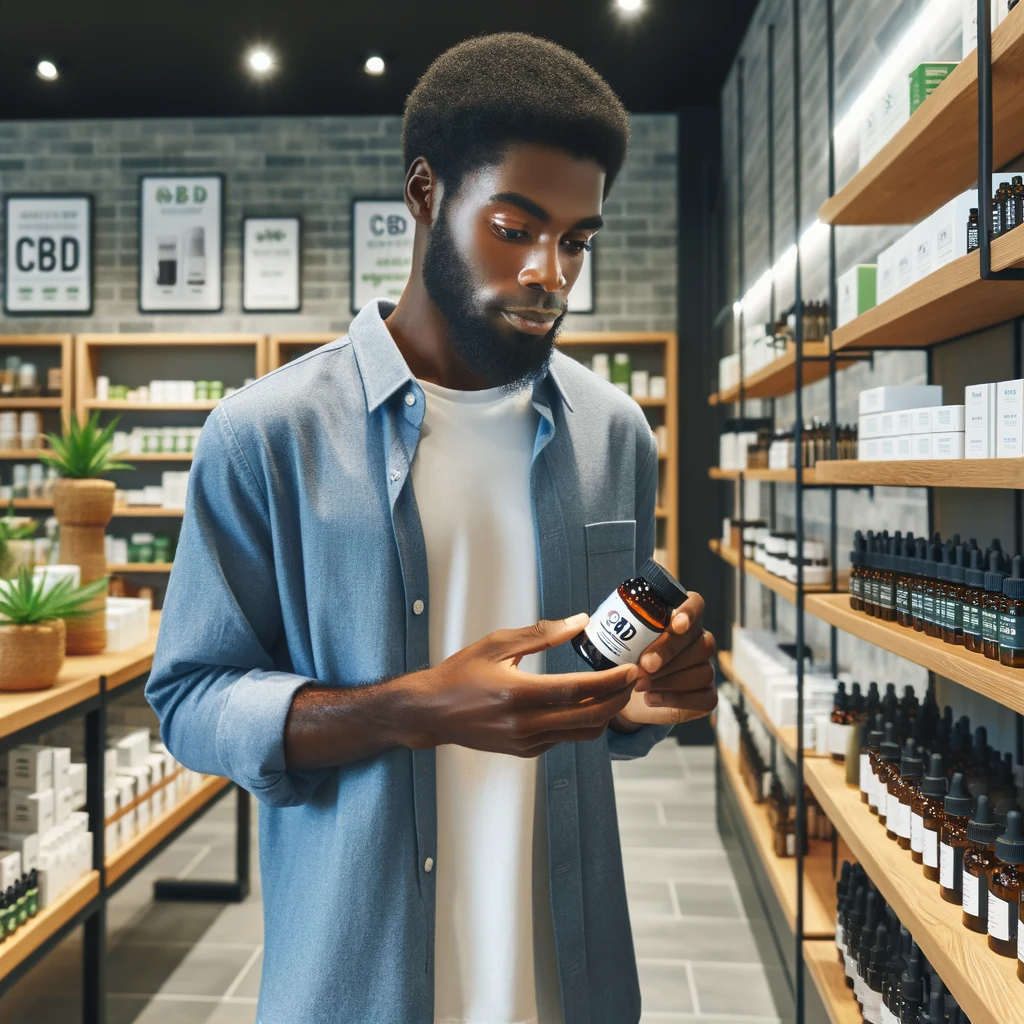
Where to Buy CBD Oil for Anxiety: Quiet Monk CBD Ultimate Shopping Guide

shopping for cbd

In recent years, CBD oil has gained significant popularity for its potential benefits in managing anxiety. As a result, there are numerous options available when it comes to purchasing CBD oil. Whether you prefer to shop online or in-person, there are several sources where you can find high-quality CBD oil to help alleviate anxiety symptoms.

Continue reading Where to Buy CBD Oil for Anxiety: Quiet Monk CBD Ultimate Shopping Guide
Posted on

Top 3 CBD Products for Anxiety: Find Your Perfect Match

top 3 cbd products for anxiety

CBD (Cannabidiol) has gained significant attention in recent years for its potential benefits in alleviating anxiety symptoms. Understanding the relationship between CBD and anxiety is crucial for finding the most suitable products to address your needs.

Continue reading Top 3 CBD Products for Anxiety: Find Your Perfect Match
Posted on

CBD Oil for Anxiety: Real Customer Reviews and Testimonials

CBD Oil for Anxiety: Real Customer Reviews and Testimonials

CBD oil has gained significant attention for its potential benefits in managing anxiety. With the increasing popularity of CBD oil, real customer reviews and testimonials serve as valuable insights into its effectiveness. But first, let’s understand what CBD oil is and delve into the complexities of anxiety.

Continue reading CBD Oil for Anxiety: Real Customer Reviews and Testimonials
Posted on

A Beginners Guide: How To Use CBD Oil For Depression

CBD oil has gained significant popularity in recent years for its potential therapeutic benefits, particularly in managing depression. For beginners looking to explore the use of CBD oil for depression, understanding the basics is essential. This comprehensive guide will provide insights into CBD oil, its potential benefits, and how to use it effectively for depression.

Continue reading A Beginners Guide: How To Use CBD Oil For Depression
Posted on

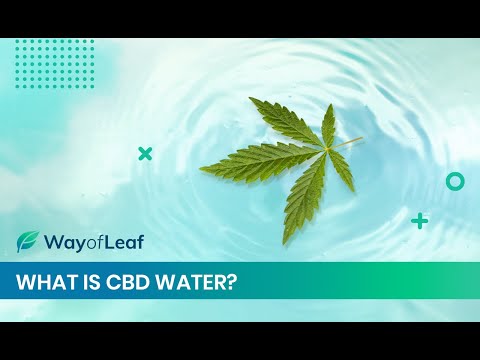
What is CBD Water?

CBD water is a unique form of cannabidiol-infused beverage that has gained popularity in the wellness industry. It offers a convenient and refreshing way to consume CBD, a non-psychoactive compound found in cannabis plants known for its potential therapeutic effects. CBD water is made by infusing water with CBD particles, allowing for easy ingestion and absorption into the body.

Various extraction methods, such as nanoemulsion or liposomal encapsulation, are used to infuse CBD into water effectively. These methods involve breaking down CBD particles into smaller sizes, improving their solubility in water and enhancing their bioavailability.

CBD water is believed to provide several potential benefits. Some evidence suggests that CBD may help with anxiety, pain relief, and promoting better sleep. CBD exhibits antioxidant properties that can help combat oxidative stress in the body.

The legal status of CBD water varies by country and region. In many places, CBD derived from hemp plants containing less than 0.3% THC (the psychoactive compound in cannabis) is legal, while CBD derived from marijuana plants may be subject to stricter regulations.

While CBD is generally considered safe, there can be potential risks and side effects associated with its use. It’s important to consult with a healthcare professional before consuming CBD water, particularly if you have any underlying health conditions or are taking other medications.

When choosing CBD water, it’s crucial to look for reputable brands like Day One that provide third-party lab testing to ensure the product’s quality, consistency, and purity. Checking the CBD concentration and the presence of other ingredients is also important to find a product that suits your specific needs.

Consumption of it can vary depending on the individual and their desired effects. It’s recommended to start with a low dosage and gradually increase it as needed. It’s also essential to follow the product’s instructions and guidelines provided by the manufacturer.

man in white crew neck t-shirt drinking cbd water from black sports bottle

Key takeaway:

  • CBD water maximizes convenience: CBD water offers a convenient way to consume CBD, as it is already infused with the compound. This makes it easy to incorporate CBD into a daily wellness routine.
  • It may have potential health benefits: Some potential benefits of CBD water include pain relief, reduced anxiety and stress, improved sleep quality, and anti-inflammatory effects.
  • Choose carefully: When selecting, it’s important to look for products that provide clear information on the CBD content, extraction methods used, and quality testing to ensure safety and effectiveness.

What is CBD Water?

CBD water is a beverage infused with cannabidiol, a compound derived from the cannabis plant. It is created by mixing CBD extract with water and other ingredients. CBD water, also known as cannabidiol-infused water, offers a convenient and easy way to consume CBD. This refreshing and hydrating option is marketed for its potential therapeutic effects and various health benefits.

One of the main advantages of CBD water is that it does not contain THC, the psychoactive component of cannabis. As a result, it does not produce a high like marijuana. Instead, CBD water is used to promote relaxation, reduce stress, alleviate pain, and improve overall well-being.

The amount of CBD in each bottle of CBD water can vary, typically ranging from 5-20 milligrams per serving. It is important to note that the effectiveness of CBD water may vary from person to person due to individual factors such as metabolism and dosage. Therefore, it is recommended to consult with a healthcare professional before incorporating CBD water into your wellness routine.

In summary, CBD water is a refreshing and convenient way to consume cannabidiol. With its potential therapeutic effects and absence of psychoactive properties, it offers a natural and alternative option for promoting relaxation, relieving stress, managing pain, and enhancing overall well-being.

How is CBD Water Made?

CBD water is made through the process of infusing water with extract from cannabidiol (CBD). The initial step involves extracting CBD from hemp plants using CO2 extraction. Afterward, the active compounds are combined with water using either emulsification or nanotechnology techniques. Emulsification breaks down the CBD extract into tiny droplets, which can effectively mix and remain dispersed in water. Through nanotechnology, the size of the CBD particles is further reduced, enhancing their bioavailability. As a result, the body can easily absorb CBD.

CBD water may contain different quantities of CBD, typically indicated on the label, ranging from 5 to 25 milligrams per bottle. The effects of CBD water vary depending on factors like the amount of CBD consumed, the individual’s metabolism, and the specific product’s formulation. To ensure responsible consumption, it is essential to follow the recommended serving size and consult a healthcare professional for any concerns or questions.

What Extraction Methods Are Used to Infuse CBD into Water?

When selecting CBD water, it is important to consider the extraction methods used to infuse CBD into the water.

Brands that utilize effective methods such as carbon dioxide extraction or ultrasonic extraction are recommended.

Products that take advantage of nanotechnology or emulsion to enhance the solubility and bioavailability of CBD in water should be considered.

These extraction methods ensure that CBD is effectively infused into the water, allowing for maximum absorption and potential health benefits.

What are the Potential Benefits of CBD Water?

CBD water is gaining popularity due to its potential benefits, which include pain and inflammation relief, anxiety and stress reduction, improved sleep quality, enhanced hydration, and antioxidant properties.

CBD, found in hemp plants, has anti-inflammatory properties, making CBD water a potential solution for reducing pain and inflammation.

CBD has also been studied for its ability to reduce anxiety and stress, so consuming CBD water may promote relaxation and a sense of calmness.

CBD has sleep-promoting properties, meaning drinking CBD water may improve sleep quality and promote better rest.

CBD water combines the benefits of CBD with the hydrating properties of water, replenishing fluids in the body and keeping you hydrated.

CBD has antioxidant properties that protect cells from free radical damage, supporting overall cellular health.

Considering these benefits, CBD water may be a natural option for pain relief, stress reduction, and improved sleep. It is always important to consult a healthcare professional before adding CBD water or any new supplement to your routine to ensure it aligns with your specific health needs.

Is CBD Water Legal?

CBD water is a popular beverage infused with cannabidiol, a compound found in cannabis plants.

Is CBD Water Legal? The legality of CBD water depends on the location.

In the United States, the legal status is based on the source of the CBD and state regulations.

CBD derived from hemp, with less than 0.3% THC, is federally legal.

CBD derived from marijuana is still considered a Schedule I substance.

It is important to note that even if CBD water is legal, there are regulations regarding labeling, advertising, and dosage.

Before purchasing or consuming CBD water, it is advisable to check the laws in your specific state.

To ensure compliance with the law, here are some suggestions to keep in mind.

First, research the specific regulations on CBD products in your state.

Second, always purchase CBD water from reputable sources that provide detailed information about the CBD source and THC content.

Follow the recommended dosage guidelines provided by the manufacturer.

Remember, laws regarding CBD water can vary, so it is crucial to stay informed and make responsible choices when considering its use.

Are There Any Risks or Side Effects of Using CBD Water?

Using CBD water may have risks and side effects. Are There Any Risks or Side Effects of Using CBD Water?

CBD can interact with certain medications and increase the risk of bleeding. It’s important to consult a healthcare professional before using CBD water if you take any medications.

CBD can cause side effects such as dry mouth, nausea, diarrhea, and changes in appetite or weight. These side effects are usually mild and go away on their own.

The quality and purity of CBD water can vary between brands. Look for reputable brands that provide third-party lab testing to ensure safety and effectiveness.

Start with a lower dosage and gradually increase if needed. Pay attention to how your body reacts to CBD water and adjust accordingly.

How Should CBD Water be Consumed?

CBD water can be consumed in a few ways to maximize benefits. It is important to consider how CBD water should be consumed. One option is to drink it directly for quick absorption into the bloodstream. Another way to consume CBD water is by adding it to beverages or smoothies, which not only enhances flavor but also offers convenient consumption throughout the day. CBD water can be used in cooking or baking to incorporate it into favorite recipes. It is essential to remember to read the label for dosage information and follow the recommended serving size. When it comes to consuming CBD water, personal preferences and desired effects should be considered to find the best way that suits your individual needs.

What Should I Look for When Choosing CBD Water?

When choosing CBD water, there are several factors you should consider. Consider the source of the CBD. It is best to look for CBD that has been extracted from organic hemp plants grown in the United States. This ensures that the CBD is of high quality and free from pesticides and other harmful substances.

You should ensure that the CBD water has undergone third-party testing to verify its quality and potency. Look for lab reports that provide detailed information about the CBD content and the absence of contaminants. This will give you peace of mind knowing that you are consuming a safe and effective product.

Next, check the label for the CBD concentration in the water. This is typically measured in milligrams per bottle or serving. It is important to know the exact amount of CBD you are consuming to ensure you are getting the desired effects.

When looking at the ingredients list, make sure to choose CBD water that contains natural and safe ingredients. Avoid products that have artificial additives, sweeteners, or preservatives. By doing so, you can be sure that you are consuming a product that is good for your health.

Consider your personal preferences when it comes to flavor. Some CBD waters have a natural hemp taste, while others are infused with fruit flavors to mask the earthy flavor of CBD. Choose a flavor that you enjoy to enhance your CBD water experience.

Compare prices and calculate the cost per milligram of CBD to determine the best deal. By doing your research and considering these factors, you can make an informed decision when choosing CBD water that meets your needs and preferences.

CBD Water and Health Benefits

CBD water is a beverage infused with cannabidiol (CBD), derived from the cannabis plant. It provides the health benefits of CBD in a convenient and refreshing form.

One of the health benefits is its ability to relieve pain and reduce inflammation. CBD interacts with the body’s endocannabinoid system, which regulates pain and inflammation.

CBD water has calming effects on the body, reducing anxiety and stress. It interacts with receptors in the brain that regulate mood and emotions.

CBD water can improve sleep quality by relaxing the body and mind, promoting restful sleep.

By promoting balance and harmony in both physical and mental health, it has the potential to boost overall well-being. CBD has been used for thousands of years for its medicinal properties. Ancient Egyptians, for example, treated various ailments with cannabis plants.

Today, CBD water has become a popular way to consume CBD and experience its health benefits. As the demand for CBD grows, more research is being conducted to explore its uses and benefits.

With its convenient form, it is revolutionizing how people incorporate CBD into their daily routines. Whether for pain relief, stress reduction, or improved sleep, CBD water offers a refreshing and effective way to experience the health benefits of CBD.

CBD Water in the Wellness Category

CBD Water in the Wellness Category

CBD water is gaining popularity in the wellness category. CBD, a non-psychoactive compound found in cannabis plants, is believed to have various health benefits. Ingesting CBD through water allows for easy and convenient consumption. CBD water promotes relaxation, reduces anxiety, alleviates pain and inflammation, and enhances sleep quality and overall well-being. Many people find CBD water refreshing and enjoyable for incorporating CBD into their wellness routine. It is crucial to choose a reputable brand that uses high-quality CBD and provides accurate information about its content. CBD water in the wellness category offers a unique and effective way to improve physical and mental well-being.

Limitations and Caution of CBD Water

Limitations and Caution of CBD Water

  • CBD water has limitations and should be used with caution.
  • One limitation is the variability in dosage. CBD water may not accurately state the amount of CBD in each serving, making it difficult to control the dosage.
  • Another limitation is the bioavailability of CBD in water. CBD is not water-soluble, so the body may have difficulty absorbing it efficiently.
  • Caution should be exercised for individuals with certain medical conditions or those taking medication. CBD can interact with certain medications, so it is important to consult with a healthcare professional before consuming CBD water.
  • CBD water is not a miracle cure. While it may have potential health benefits, it should not be relied upon as the sole treatment for any medical condition.

Pro-tip: If interested in trying CBD for its potential benefits, it is recommended to explore other forms such as CBD oils or capsules, which may provide more accurate dosing and better bioavailability.

Some Facts About CBD Water:

  • ✅ CBD water typically contains a small amount of CBD, around 2-5 mg per serving. (Source: Healthline)
  • ✅ Studies suggest that doses of at least 15 mg of CBD per day may be needed for beneficial effects. (Source: Healthline)
  • ✅ CBD water claims to provide potential health benefits associated with CBD. (Source: Healthline)
  • ✅ Some brands of CBD water use nanotechnology to increase CBD absorption. (Source: Healthline)
  • ✅ CBD water is available in various forms, including capsules, gummies, vapes, and of course, water. (Source: Healthline)

Frequently Asked Questions

1. What is CBD water and how is it made?

CBD water is water that has been infused with CBD particles, a chemical compound derived from hemp and cannabis plants. It is made by emulsifying CBD oil with an emulsifier to distribute it evenly throughout the water, resulting in a CBD-infused beverage.

2. What are the potential health benefits of CBD water?

CBD water is claimed to provide potential health benefits, such as anxiety relief, improved sleep quality, and pain management. CBD has also been linked to anti-inflammatory properties, which may be beneficial for overall health.

3. How much CBD is typically found in CBD water?

Most brands of CBD water contain a small amount of CBD, typically around 2-5 mg per serving. Studies suggest that doses of at least 15 mg per day may be needed to experience beneficial effects.

4. Is CBD water a well-studied product?

Clinical research on CBD water is limited, but CBD as a compound has been subject to various studies. While there is some evidence supporting the potential benefits of CBD, further research is needed to determine the effectiveness of CBD water specifically.

5. Are there any safety concerns or potential interactions with CBD water?

It’s important to consult a healthcare provider before consuming CBD water, especially if you are taking medications, as CBD may interact with certain drugs. CBD products are not regulated by the FDA, so discrepancies between label claims and actual contents can occur.

6. How can I ensure the quality of CBD water?

When buying CBD water, look for products that are safe, third-party certified, and comply with FTC guidelines. Consider products that provide a certificate of analysis and are made by reputable brands. It’s also essential to understand the dosage and how it fits into your budget and lifestyle.

Best cbd creams for swollen feet

More About CBD

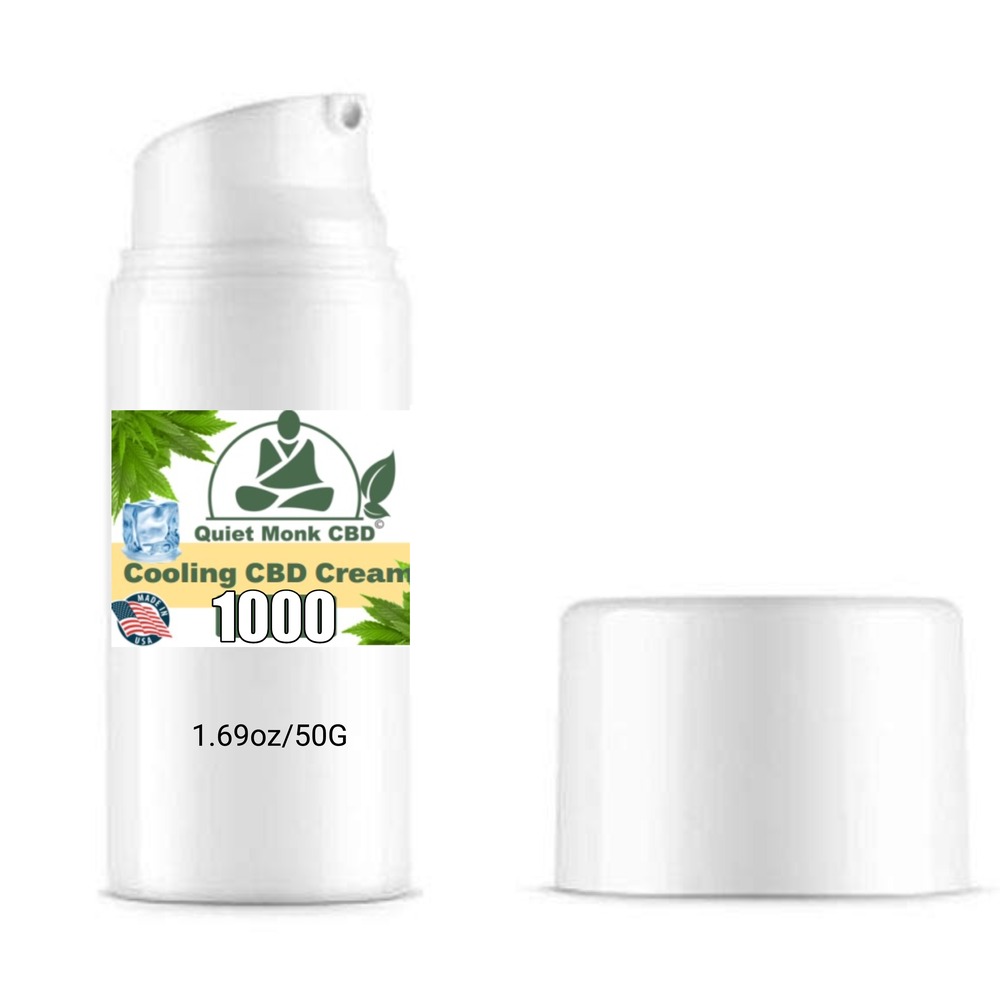
1000mg CBD cream in airless pump dispenser
You can start with our 1000mg CBD Cream
Posted on

How to Tell If Hemp Oil Has Gone Bad

Hemp oil is an increasingly popular product for its many health benefits, such as reducing inflammation and promoting heart health. However, like all natural products, hemp oil can go bad over time. In this article, we will discuss how to tell if hemp oil has gone bad and how to store it properly to extend its shelf life.

What is Hemp Oil?

Hemp oil is a natural oil extracted from the seeds of the hemp plant. It is often confused with CBD oil, which is made from the leaves, flowers, and stalks of the hemp plant. Hemp oil is rich in omega-3 and omega-6 fatty acids, as well as vitamins and minerals that make it a healthy addition to any diet. Most times companies will call it hemp seed oil to help customers differentiate it from CBD.

If you need less potent oils try our 2000mg CBD Oil.

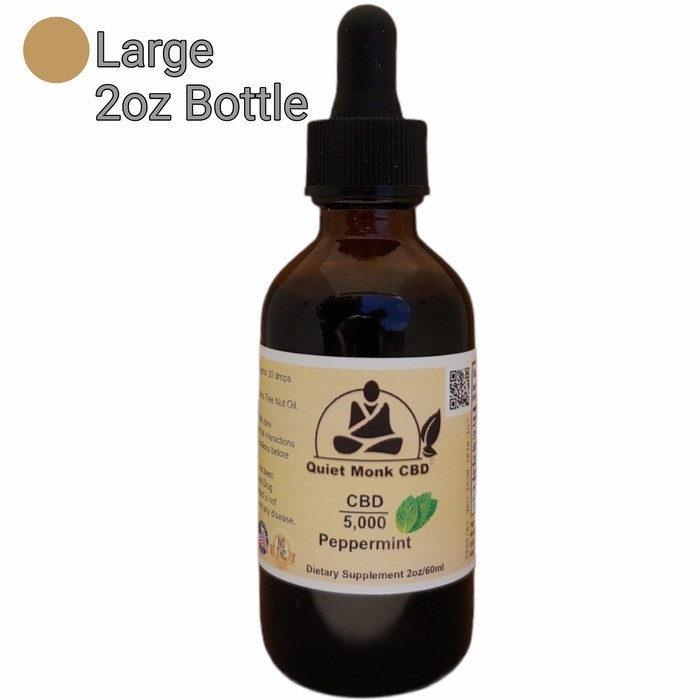
This would be an example of the 5000mg CBD oil

high strength 5000mg cbd oil drops

Shelf Life of Hemp Oil

The shelf life of hemp oil depends on a few factors, such as the extraction method used, the quality of the seeds, and how the oil is stored. On average, hemp oil can last up to 1-2 years if stored properly. However, if it is not stored correctly, hemp oil can go bad much sooner.

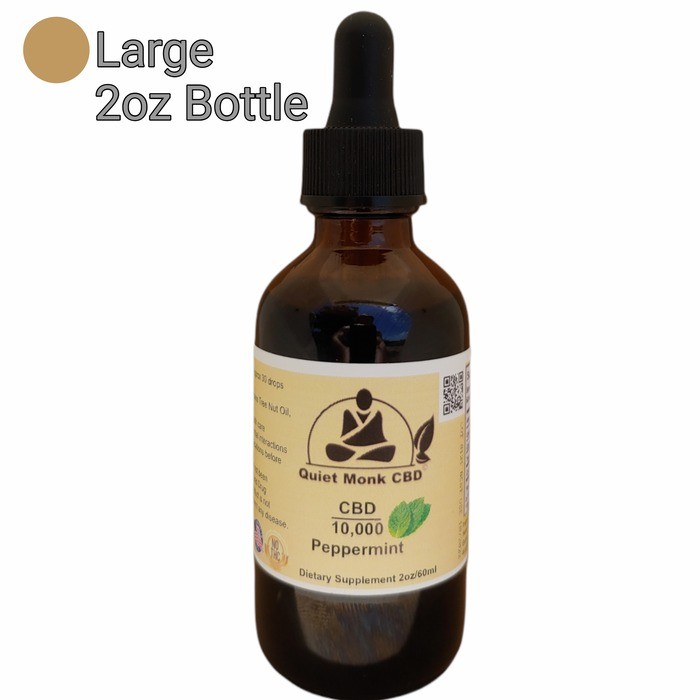
This is an example of CBD Oil. Our 10,000mg CBD Oil

max strength 10,000 mg cbd oil

Signs that Hemp Oil Has Gone Bad

Here are some signs that your hemp oil may have gone bad:

  1. Rancid Smell
    Hemp oil that has gone bad will have a rancid smell. If your oil smells musty or like old nuts, it may be time to replace it.
  2. Cloudy Appearance
    Fresh hemp oil is clear and golden in color. If your oil has a cloudy appearance, it may have gone bad.
  3. Bitter Taste
    Hemp oil that has gone bad will have a bitter taste. If your oil tastes bitter or metallic, it may be time to throw it away.
  4. Mold Growth
    If you notice mold growth on your hemp oil, it has definitely gone bad and should be discarded immediately.

How to Store Hemp Oil

To extend the shelf life of your hemp oil, it is important to store it properly. Here are some tips for storing hemp oil:

  1. Keep it Cool
    Hemp oil should be stored in a cool, dark place away from direct sunlight. The ideal temperature for storing hemp oil is between 39-50 degrees Fahrenheit.
  2. Use a Dark-Colored Bottle
    Hemp oil should be stored in a dark-colored bottle to protect it from light. Light can cause the oil to break down and go rancid.
  3. Keep it Sealed
    Hemp oil should be kept in a sealed container to prevent air and moisture from getting in. Exposure to air and moisture can cause the oil to go bad.

Conclusion
In conclusion, hemp oil is a natural and healthy product that can offer many health benefits. However, like all natural products, it can go bad over time. By following the tips outlined in this article, you can extend the shelf life of your hemp oil and ensure that it remains fresh and safe to use.

FAQs

Can you still use hemp oil that has gone bad?
No, it is not safe to use hemp oil that has gone bad. It can cause digestive issues and other health problems.

How can you tell if hemp oil has gone bad?
You can tell if hemp oil has gone bad by its rancid smell, cloudy appearance, bitter taste, and mold growth.

How long does hemp oil last?
Hemp oil can last up to 1-2 years if stored properly.

What is the ideal temperature for storing hemp oil?
The ideal temperature for storing hemp oil is between 39-50 degrees Fahrenheit.

What is the best way to store hemp oil?
Hemp oil should be stored in a cool, dark place away from direct sunlight, in a sealed, dark-colored bottle to protect it from light and moisture. Following these storage tips can help you maximize the shelf life of your hemp oil and ensure that it remains fresh and safe to use.

It is important to note that once hemp oil has gone bad, it should be discarded immediately. Using rancid hemp oil can cause digestive issues and other health problems. Therefore, it is important to be mindful of the signs that your hemp oil may have gone bad and to store it properly to extend its shelf life.

In summary, hemp oil is a natural and healthy product that can offer many health benefits. However, it is important to be aware of the signs that your hemp oil may have gone bad and to store it properly to ensure that it remains fresh and safe to use. By following the tips outlined in this article, you can extend the shelf life of your hemp oil and enjoy its many health benefits for longer.

Posted on

Finding Calm in the Chaos: How CBD Can Help You Stress Less

storm inside a mind

Stress is something most of us know all too well. Deadlines pile up, bills don’t stop, and everyday life can feel like a storm that never lets up. When your mind races and your body feels tense, it’s easy to wonder if peace of mind is even possible anymore.

Continue reading Finding Calm in the Chaos: How CBD Can Help You Stress Less
Posted on

How CBD Enhances Your Mood and Wellbeing

Have you been feeling down lately? Are you struggling to stay focused and productive? Or are you simply looking for a natural way to enhance your overall wellbeing? Look no further than CBD.

CBD, short for cannabidiol, is a natural compound found in the hemp plant. It is known for its ability to provide numerous health benefits, including improving mood and wellbeing. In this ultimate guide, we’ll explore how CBD enhances your mood and wellbeing, the science behind it, and the best ways to take it.

So, let’s dive in!

How CBD Enhances Your Mood and Wellbeing: The Science Behind It

CBD works by interacting with the body’s endocannabinoid system (ECS), a complex network of receptors and neurotransmitters that helps regulate various physiological functions, including mood, sleep, appetite, and immune response. When CBD enters the body, it binds to these receptors and activates them, helping to regulate the body’s internal processes and promote balance and homeostasis.

Here’s a closer look at how CBD enhances your mood and wellbeing:

  1. Reduces Anxiety and Stress

CBD has been shown to have anxiolytic (anti-anxiety) and stress-reducing properties. It works by interacting with the brain’s serotonin receptors, which play a key role in regulating mood and anxiety. By modulating serotonin levels, CBD can help reduce anxiety, stress, and promote feelings of calmness and relaxation.

  1. Improves Sleep Quality

CBD can also help improve sleep quality, which is essential for overall health and wellbeing. It works by interacting with the brain’s GABA receptors, which help regulate sleep and promote relaxation. By increasing GABA activity, CBD can help reduce insomnia, improve sleep duration and quality, and promote restful sleep.

  1. Enhances Mood and Emotional Wellbeing

CBD has been shown to have mood-enhancing properties, making it a great natural remedy for those struggling with mood disorders, such as depression and bipolar disorder. It works by increasing the production of anandamide, a neurotransmitter that helps regulate mood, motivation, and pleasure. By increasing anandamide levels, CBD can help improve mood and promote feelings of happiness and wellbeing.

The Best Ways to Take CBD for Mood and Wellbeing

There are several ways to take CBD products, including:

  1. CBD Oil: CBD oil is the most popular and convenient way to take CBD. It comes in a tincture form that can be taken orally or added to food and beverages.
  2. CBD Edibles: CBD edibles are a fun and tasty way to take CBD. They come in various forms, such as gummies, chocolates, and baked goods.
  3. CBD Topicals: CBD topicals, such as creams and balms, can be applied directly to the skin to help relieve pain, inflammation, and skin conditions.

FAQs About CBD and Mood Enhancement

Q: Is CBD safe for mood enhancement?

A: Yes, CBD is considered safe for mood enhancement and has been shown to have minimal side effects.

Q: Can CBD get you high?

A: No, CBD is non-psychoactive and does not produce a “high” like THC, another compound found in the cannabis plant.

Q: How long does it take for CBD to work?

A: The effects of CBD can vary depending on the method of

Continue writing please

applied and the individual’s metabolism. Typically, the effects of CBD are felt within 30 minutes to an hour.

Q: Can I take CBD with other medications?

A: If you are taking other medications, it is important to speak with your healthcare provider before taking CBD to avoid any potential interactions.

Q: Is CBD legal?

A: CBD derived from hemp is legal in many countries, including the United States, as long as it contains less than 0.3% THC. However, it is important to check your local laws and regulations before purchasing and using CBD products.

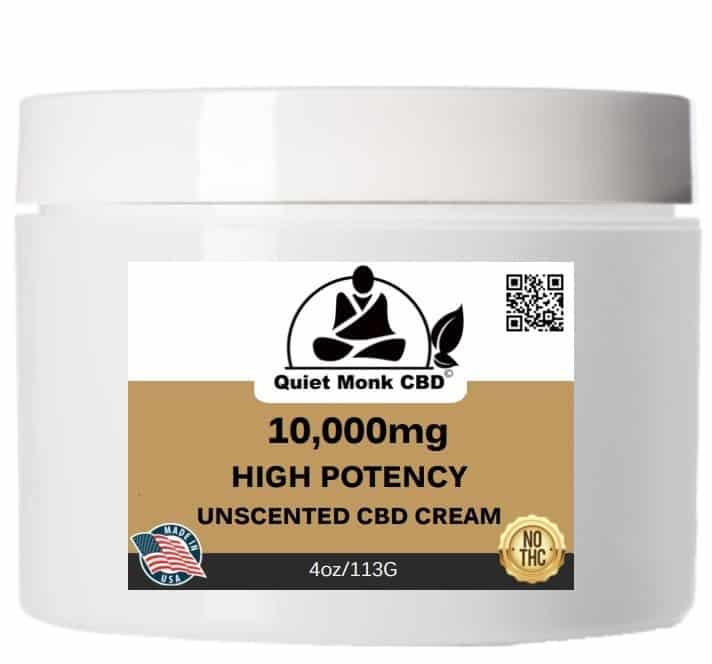
10,000mg CBD Cream
CBD cream 10,000 mg
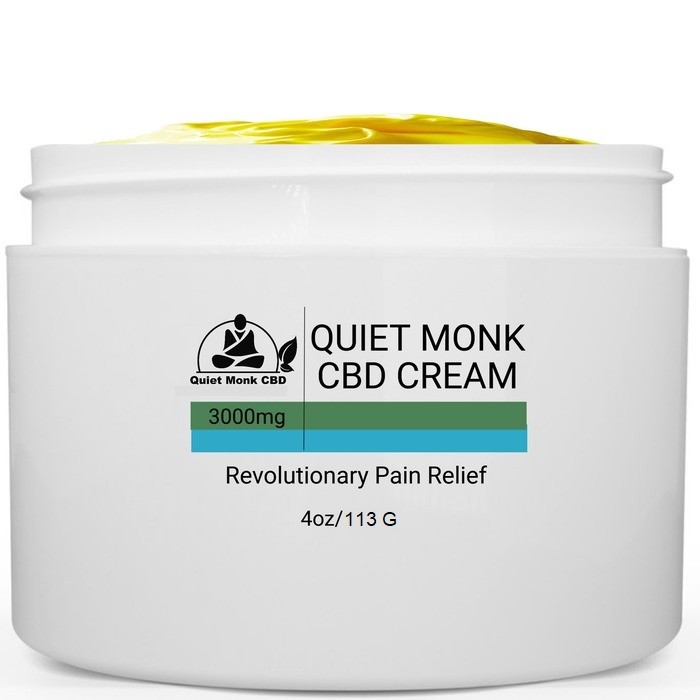
3000 mg cbd creams
CBD cream 3000 mg

Conclusion:

CBD has numerous benefits for mood and wellbeing, making it a great natural remedy for those looking to improve their overall health and happiness. By interacting with the body’s endocannabinoid system, CBD can help reduce anxiety and stress, improve sleep quality, and enhance mood and emotional wellbeing.

If you are interested in trying CBD for mood and wellbeing, there are several ways to take it, including CBD oil, capsules, edibles, and topicals. However, it is important to speak with your healthcare provider before starting any new supplements, especially if you are taking other medications.

In summary, CBD is a safe and effective way to enhance your mood and wellbeing. So why not give it a try and see how it can improve your overall quality of life?

Posted on

Unlocking the Therapeutic Potential of CBD: A Guide to Its Effects on the Human Body

Cannabidiol, also known as CBD, is a chemical that is primarily present in some strains of the cannabis plant Cannabis sativa L. The following section will go over its numerous advantageous effects on the human body as a non-psychoactive substance.

Chemically speaking, CBD belongs to the class of terpeno-phenolic compounds, which are produced in large quantities in glandular trichomes, hair-like structures that are found on the surfaces of Cannabis plants.

A Brief History of Cannabis

Cannabis, a plant native to China and other parts of Asia, has been used for medicinal purposes since ancient times. However, it wasn’t until the 1830s that it was introduced to Western. More than a century later, the plant was added to the List of Drugs as a Schedule I drug, as part of the Single Convention on Narcotic Drugs from 1961. The Convention restricts the use of Cannabis, but with some exemptions for industrial, horticultural, research, and medical purposes.

The research on Cannabis and its naturally occurring phytocannabinoids has been ongoing, with many milestones achieved along the way. One such milestone was the structural identification of the psychoactive THC, confirmed back in 1964 (Gaoni and Mechoulam, 1964). Although CBD, the most recognized phytocannabinoid, was isolated from the plant for the first time in 1940, the complete structural identification was not reported until almost three decades later (Adams et al., 1940; Petrzilka et al., 1969).

In the 1980s, the endocannabinoid system was discovered in the human body, which led to even more studies on the physiological effects of Cannabis and phytocannabinoids at a higher level (Devane et al., 1988; Kinghorn et al., 2017). Clinical studies have proven the beneficial effects of Cannabis, leading to the registration of medicines like Sativex®. This cannabis-based medicinal product was registered in Europe in 2010 and is currently the most prevalent product of its kind marketed in Europe (Bramness et al., 2018).

In 2017, Bedrocan, a Dutch company, became the world’s first producer of medicinal Cannabis that complied with the European Medicines Agency’s good manufacturing practice (GMP) standards.

The Source of CBD and Other Phytocannabinoids

The Cannabis plant is an annual herbaceous flowering plant that is characterized by its recognizable leaves and distinct aroma (Figure 3). It can be grown either indoors or outdoors, depending on the intended purpose and specific variety of the plant. Indoor cultivation under controlled environmental conditions is crucial for producing Cannabis in the pharmaceutical industry, as it yields high-quality biomass with a consistent composition. On the other hand, outdoor production is more suitable for industrial purposes, such as in the foodstuff industry, as it is a more economically affordable yet still efficient option.

According to taxonomists Schultes et al. (1974), there are three subspecies of Cannabis, all falling under the name Cannabis sativa L.: sativa, indica, and the less widespread and economically significant ruderalis. Some varieties of Sativa include the well-known “industrial hemp” or “hemp” varieties that are legally used for foodstuff production and other industrial purposes. The primary differences between sativa and indica are in their cannabinoid profile and taxonomic classification. Sativa plants tend to be taller, ranging from 2.5 to 3.5 meters, while indica varieties are generally shorter, with an average height of below 2 meters, and appear bushier with broader and darker green leaves. Additionally, Sativa plants have fibers with higher strength.

The Cannabis plant is a rich source of phytocannabinoids, including the popular CBD. Ongoing research continues to reveal the therapeutic potential of Cannabis and its derivatives, as well as their physiological effects on the human body.

Cannabis has been found to contain over 560 natural compounds, with more than 140 of them being phytocannabinoids – complex compounds formed within the tiny trichomes of the plant through biochemical reactions. Trichomes, which are visible to the naked eye on the plant’s flowers, leaves, and stems, are the site of the production of these substances. In addition to phytocannabinoids, another essential group of naturally occurring substances found in trichomes are terpenes, which are responsible for the distinct aroma of cannabis. The quantity of phytocannabinoids produced in Cannabis is strongly influenced by the plant’s variety and the environmental conditions during its growth.

How Do We Pull The Extract from The Plant?

Extraction is a crucial process for separating specific compounds or mixtures from a given matrix. In the world of Cannabis, extraction involves the separation of various beneficial substances such as phytocannabinoids (including CBD), terpenes, and fatty acids from different parts of the plant, including the flowers, leaves, stems, and seeds.

Various industries such as food, cosmetics, and pharmaceuticals have been using different types of extraction processes for many years. For Cannabis extraction, there are primarily three types used:

  • Cold-pressed extraction: This method is utilized to extract oil from Cannabis seeds, resulting in an oil rich in essential fatty acids that is suitable for salads and other culinary applications (Figure 5).
  • Organic solvent extraction: This method uses organic solvents to separate different compounds from the plant matrix. This method has been used for many years, but concerns about the safety of residual solvents in the final product have limited its use in recent times.
  • Supercritical carbon dioxide (sCO2) extraction: This method is most commonly used to produce “full-spectrum” extracts that contain various phytocannabinoids, terpenes, and other beneficial compounds . It is a green technique that uses CO2, a GRAS (“generally recognized as safe”) solvent that evaporates at the end of the process, leaving no dangerous residues in the final product. This method is becoming increasingly popular because it is safe, efficient, and environmentally friendly. This is the method we use!

In summary, the extraction process is crucial for isolating specific compounds and mixtures from the Cannabis plant. The use of organic solvents has decreased in recent years due to concerns about safety, while the use of sCO2 extraction is becoming increasingly popular due to its effectiveness, safety, and environmental friendliness.

How CBD Interacts With Your Body

Endocannabinoids are lipid-based neurotransmitters that are synthesized on-demand in response to specific physiological stimuli. The two most well-studied endocannabinoids are anandamide (AEA) and 2-arachidonoylglycerol (2-AG), which are produced from fatty acid precursors found in cell membranes.

Endocannabinoids are involved in a variety of physiological processes, such as pain modulation, appetite regulation, mood and emotion, immune function, and sleep. The endocannabinoid system, which includes the cannabinoid receptors and enzymes involved in endocannabinoid synthesis and degradation, plays a crucial role in maintaining homeostasis in the body. When there is an imbalance in the body, the endocannabinoid system is activated to restore balance, making it a potential target for therapeutic interventions.

Similarly, endocannabinoids interact with a group of receptors called cannabinoid receptors, which are found throughout the human body. These receptors are part of the endocannabinoid system, which plays a key role in regulating a wide range of physiological processes including pain sensation, appetite, mood, and immune function. Endocannabinoids are produced on demand and act as retrograde signaling molecules, meaning they are synthesized and released by postsynaptic neurons and then travel back across the synapse to act on presynaptic neurons. This feedback loop helps to regulate the activity of neurons and maintain homeostasis in the body.

The endocannabinoids that interact with these receptors are primarily anandamide and 2-arachidonoylglycerol (2-AG). Anandamide is synthesized on demand in response to certain physiological needs, and it is rapidly degraded by the enzyme fatty acid amide hydrolase (FAAH) after it has fulfilled its function. 2-AG, on the other hand, is produced on demand but can also be stored in the cell membrane and released when needed.

The ECS has been implicated in various physiological and pathological conditions, including pain, anxiety, depression, inflammation, and neurodegenerative diseases. Modulation of the ECS has been proposed as a potential therapeutic strategy for these conditions, and cannabinoids such as CBD and THC have been studied for their effects on the ECS and their potential therapeutic uses.

Endocannabinoids, CBD and THC what’s the Difference?

Endocannabinoids are bioactive compounds that are formed and broken down in the human body through complex biochemical reactions that involve many enzymes. There are several known endocannabinoids, including anandamide (AEA) and 2-arachidonoyl glycerol (2-AG). Both AEA and 2-AG interact with the CB1 and CB2 receptors, but they have different affinities for each receptor. Phytocannabinoids, which are structurally and spatially similar to endocannabinoids, also interact with CB1 and/or CB2 receptors, but their affinities for receptors vary considerably, resulting in varying physiological effects.

For instance, THC’s psychotropic effect is caused by its interaction with the CB1 receptor. In contrast, CBD interacts with the CB2 receptor and does not produce any psychotropic effects. Instead, CBD is associated with several other beneficial effects. Interestingly, CBD can also affect the interaction between THC and the CB1 receptor, reducing THC’s psychoactive effects. These interactions make the story even more complicated.

Furthermore, cannabinoids have been shown to affect other systems in the body through interactions with opioid, serotonin, and nuclear receptors and transient receptor potential (TRP) ion channels. Research has confirmed that the control of body temperature and pain relief transfer is partially related to the interaction of cannabinoids with TRP channels. Based on these findings, the role of cannabinoids in physiological processes such as appetite and pain sensation, the control of chronic pain, metabolism, mood, and the regulation of immune cell functions is continually being studied and, to some extent, confirmed.

The most extensively studied cannabinoid is CBD.

Identification of the Endocannabinoid System

The identification of the endocannabinoid system sparked a significant increase in research examining its physiological functions and the effects of endocannabinoids and phytocannabinoids on both humans and animals. Studies in this area can take various forms, including:

• In vitro studies, which utilize cell lines to investigate the effects of cannabinoids.

• Animal studies, where the effects of cannabinoids are tested on animal models such as mice and rats.

• Clinical studies, where the effects of cannabinoids are studied on healthy volunteers and individuals with specific conditions that are being targeted in the trial.

By utilizing these types of studies, researchers can gain a better understanding of the potential therapeutic benefits of cannabinoids and how they can be used to treat various conditions.

The discovery of the endocannabinoid system has led to a surge of research studies aimed at understanding the physiological functions and effects of endocannabinoids and phytocannabinoids in humans and animals. In order to assess the effects of these substances, different types of studies are conducted, including in vitro studies using cell lines, animal studies using mice and rats, and clinical studies with healthy volunteers or individuals with specific conditions being studied.

CBD is the most extensively studied phytocannabinoid due to its abundance in most Cannabis plant varieties and its confirmed beneficial effects, which have been demonstrated not only in vitro and animal studies but also in clinical trials with humans. These effects include anti-inflammatory, anti-oxidative, anti-emetic, anti-psychotic, anti-convulsant, and pain relief effects. Additionally, pre-treatment with CBD has been shown to reduce the psychotic effects of THC, and CBD has demonstrated promising results in improving symptoms and quality of life in patients with conditions such as schizophrenia and Parkinson’s disease.

CBD has been most extensively studied in the treatment of various types of epilepsy, including refractory epilepsy or drug-resistant epilepsy. Promising results have been reported in clinical trials with CBD as an add-on or adjuvant therapy for children with refractory epilepsies, where approximately half of the patients receiving add-on therapy experienced a significant reduction in seizure burden, and some even became seizure-free. Positive effects such as improved behavior, sleep, motor functions, cognitive functions, appetite, joyfulness, speech, and communication were also observed.

Taking CBD Orally How Much To Take

Every individual is unique, and as a result, the response to CBD products can vary. In particular, if a user is highly sensitive to additives, foods, cosmetics, or medications, it is recommended to start with low doses of CBD – no more than 10 mg per day. For those who are less sensitive, the suggested starting daily dosage is between 20 and 30 mg. Ideally, the recommended dose should be calculated based on the user’s body weight, which should be around 0.5 mg of CBD per kilogram of body weight per day. For instance, a person weighing 60 kg should take about 30 mg of CBD daily.

It is recommended that the user stick with the initial daily dose for at least 10 days. If the desired effect is not achieved, the dosage can be doubled, and the user can continue with that amount for the next 10 days. The table below illustrates an example of the dosing of the most popular CBD drops. If the desired effect is still not achieved, gradually increasing the dosage, as shown in the table below (with a higher dose every 10 days), is recommended. The daily dose can be taken in one go, in the evening, or spread throughout the day (morning, mid-day, and evening).

Due to the diverse response of the human body to the use of CBD, the ideal dosage may vary from person to person. While some people find relief by taking 25-30 mg of CBD daily, others may require higher doses, such as 60 mg per day. It is natural for the body to experience fluctuations in stress levels and other symptoms, which means that the dosage can be adjusted during use. Therefore, it is recommended that users keep track of their status and any observed changes over time. If CBD is used for general well-being, users can monitor changes in stress levels, mood, and sleep quality. It is important to note that changes may not always be noticeable, particularly during the initial stages of use when the user is trying to determine the most effective dosage for their needs. CBD products may also lead to changes in chronic problems such as anxiety, headaches, stress, and other prolonged health issues.

While many studies have confirmed the safety of CBD, it is important to exercise caution. For instance, when used in combination with other medications, it is advisable to consult a personal physician before using CBD products. Experts do not recommend taking more than 70 mg of CBD daily, and if the user intends to take such high doses, consulting a personal physician is strongly recommended. Moreover, due to the lack of clinical studies, CBD products are currently not recommended for pregnant women, nursing mothers, and children unless a personal physician evaluates the benefit-risk assessment of CBD to be positive.

CBD has no negative side effects?

According to a review paper by Bergamaschi et al. (2011), more than 20 clinical studies were conducted with varying daily doses of CBD, ranging from a few mg to as much as 1500 mg per day. None of these studies reported any effects on psychomotor and physiological parameters such as blood pressure, heart rate, and body temperature. Moreover, the chronic use of high doses of CBD was reported as well-tolerated. This finding is consistent with the WHO Critical report on CBD (2018) which confirmed the good safety profile of CBD.

Despite the good safety profile of CBD, it has the potential to cause some interactions with other drugs by interfering with hepatic drug metabolism. Therefore, it is highly recommended that patients consult with their personal doctor before combining CBD with any medication.

Conclusion

CBD is a versatile product that can be incorporated into our lives in many ways. It is available in various forms, such as cosmetics, personal care products, drinks, chocolates, and even food supplements in the form of gummies. These products are highly popular among people facing physiological and psychological problems as well as those who want to maintain their well-being.

In general, the use of CBD products is safe, and serious side effects are not expected. However, it is essential to check the producer and quality of the product to avoid any potential unwanted events.