Posted on

Is CBD legal in Alabama

CBD, short for cannabidiol, has gained popularity for its potential health benefits. However, its legal status varies across different states in the United States. In this article, we will specifically focus on the legality of CBD in Alabama.

Is CBD legal in Alabama

Before discussing Alabama’s CBD laws, let’s first understand the general legal status of CBD in the United States. As a result of the 2018 Farm Bill, CBD derived from hemp containing less than 0.3% THC (the psychoactive compound in marijuana) is legal at the federal level. However, individual states have the authority to regulate CBD within their borders.

In Alabama, the legal status of CBD is influenced by state laws. To provide an overview of Alabama CBD laws, it is essential to consider factors such as the source of CBD, THC content, and intended use. These laws govern the production, possession, and distribution of CBD products in the state.

It’s important to understand the conditions that qualify for CBD use in Alabama. Certain medical conditions may be eligible for CBD treatment, and it is crucial to know the specific requirements and guidelines set by the state.

Those interested in using CBD in Alabama need to know where they can legally purchase CBD products. Understanding the authorized retail sources will ensure compliance with state regulations and provide access to safe and reliable CBD products.

Lastly, safety is a significant concern when using CBD. It’s crucial to be aware of potential risks, side effects, and interactions with medication. Taking necessary precautions and consulting with a healthcare professional can help ensure the safe use of CBD in Alabama.

By delving into the legal framework, specific conditions, purchasing outlets, and safety considerations, this article aims to provide a comprehensive understanding of the legal status and practical aspects of using CBD in Alabama.

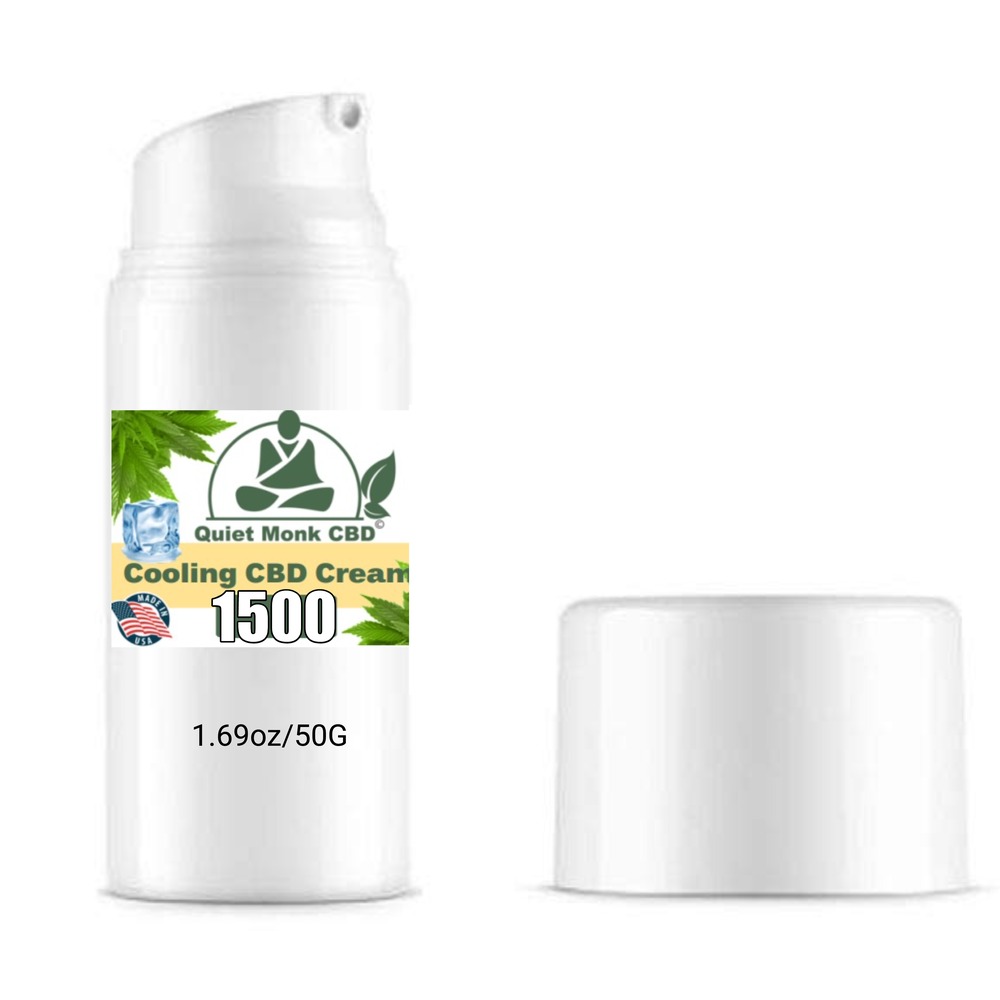
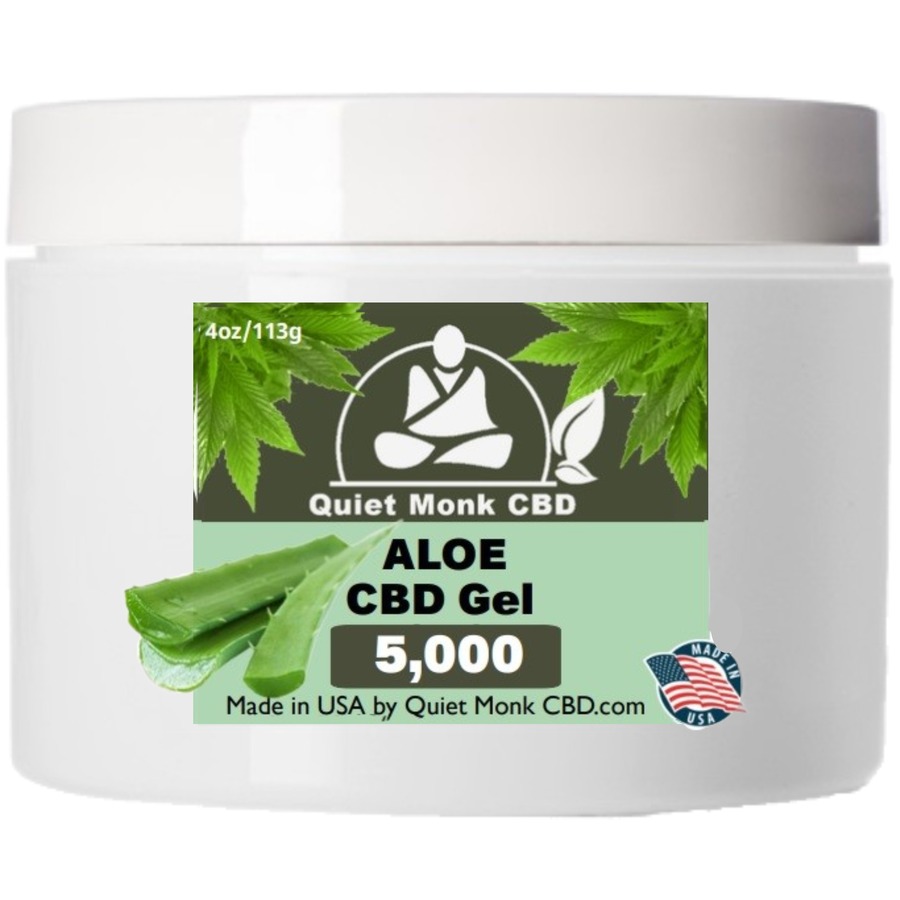
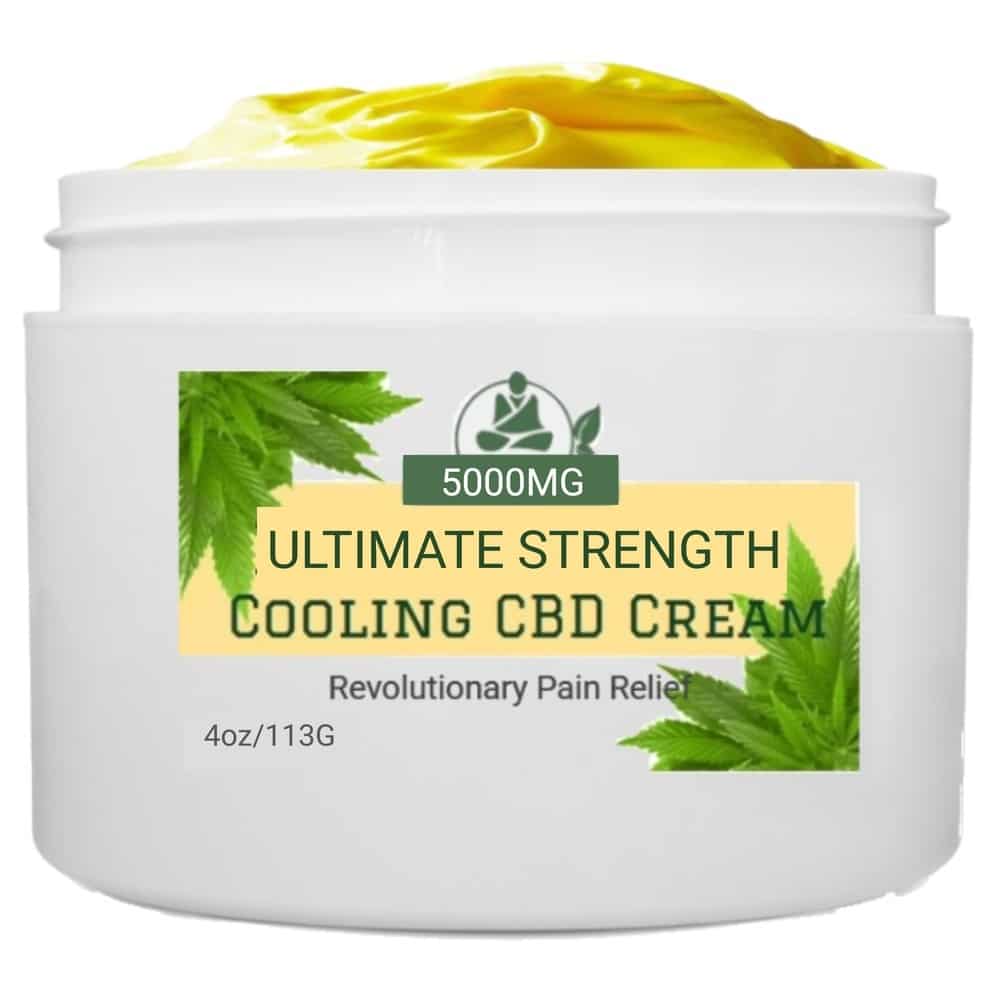
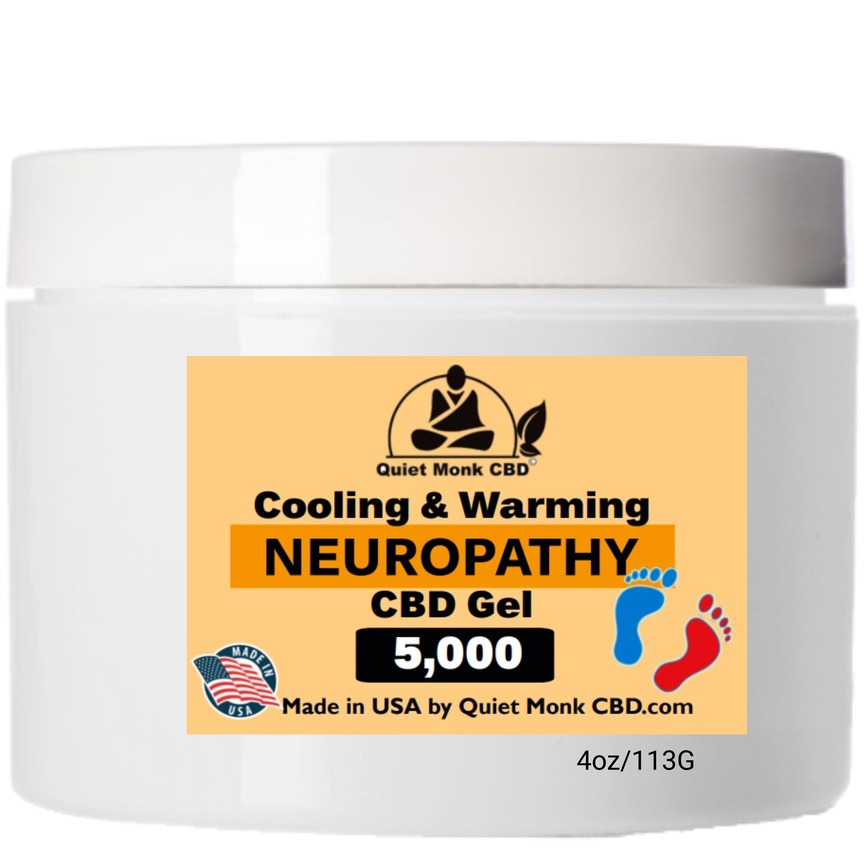
5000mg CBD Cream

Key takeaway:

  • CBD legality varies by state: While the legal status of CBD in the United States is complex, it’s important to understand the specific laws in each state, such as Alabama.
  • Alabama CBD laws: In Alabama, CBD is legal for medical use under certain conditions. However, recreational use and possession of CBD derived from marijuana is still illegal.
  • Conditions for CBD use: In Alabama, CBD is primarily prescribed for the treatment of debilitating and chronic medical conditions, such as epilepsy, seizures, or severe nausea.
  • Purchasing CBD in Alabama: CBD products can be purchased from licensed dispensaries in Alabama. It’s essential to ensure you’re buying from a reputable and legal source.
  • Safety considerations: While CBD can offer potential health benefits, it’s crucial to consult with a healthcare professional before using it, especially if you have any specific medical conditions or take other medications.
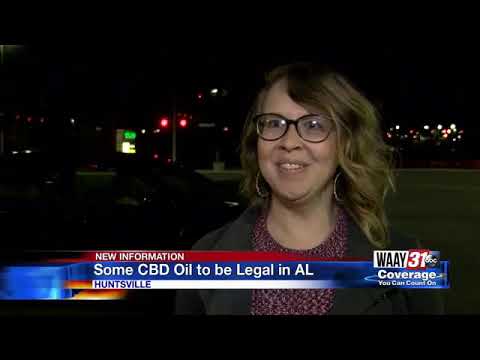
Legal Status of CBD in the United States

The legal status of CBD in the United States varies depending on various factors such as its source, THC content, and state-specific regulations.

  1. Federal Legal Status: CBD derived from hemp containing less than 0.3% THC is federally legal under the 2018 Farm Bill. It is classified as an agricultural commodity and can be legally produced, sold, and transported across state lines. However, CBD derived from marijuana is still considered a Schedule I controlled substance under federal law.
  2. State-Specific Regulations: Each state has the authority to establish its own regulations regarding the legal status of CBD. Some states have adopted the federal definition of hemp and allow the production and sale of CBD products derived from hemp with low THC levels. Other states have stricter regulations, requiring CBD products to be derived from hemp and meet specific labeling, testing, and packaging requirements.
  3. Medical Use: Some states have legalized the medical use of CBD, allowing patients with certain medical conditions to access CBD products with higher THC levels. These laws often require patients to obtain a medical recommendation from a healthcare provider and register with the state’s medical marijuana program.
  4. Recreational Use: As of now, a few states have legalized the recreational use of marijuana, which includes CBD products derived from marijuana. In these states, individuals aged 21 and older can purchase and use CBD products with higher THC levels for personal use.
  5. Labelling and Testing Requirements: Many states have implemented regulations requiring CBD products to be accurately labeled, including information about the CBD content and any THC levels. Additionally, some states require CBD products to undergo laboratory testing to ensure they meet quality and safety standards.

It is essential to research and understand the specific CBD laws in your state to ensure compliance with local regulations. The legal status of CBD in the United States is continuously evolving, with changes occurring at both the federal and state levels. Therefore, it is important to stay informed about any new legislation or updates regarding the legal status of CBD in your area.
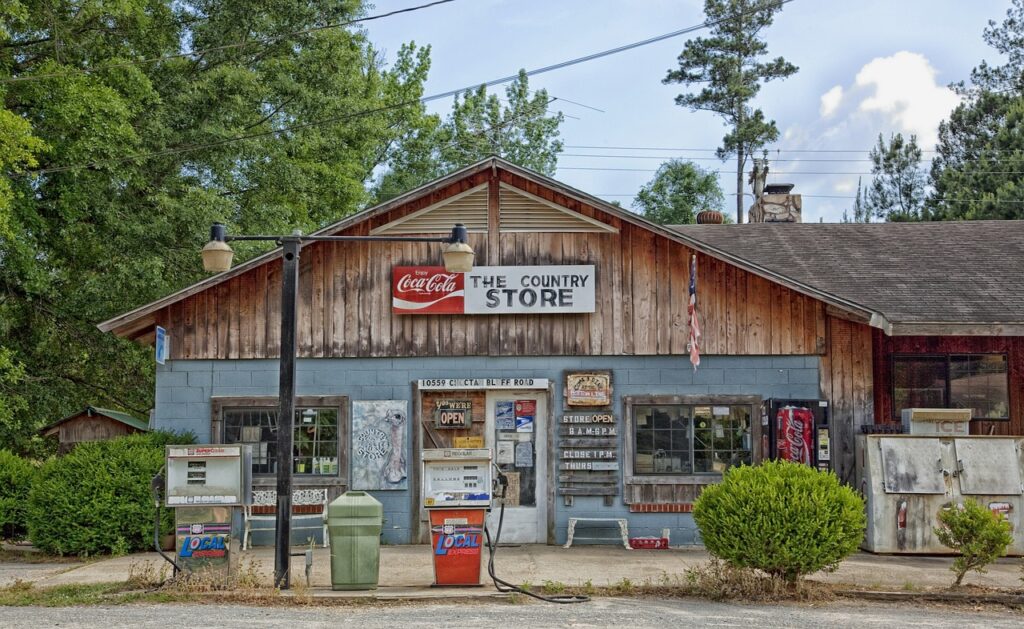
choctaw bluff, alabama, general store sells cbd

Is CBD Legal in Alabama?

Wondering about the legality of CBD in Alabama? Let’s dive into the topic and uncover whether CBD is legal in the state. We’ll start by providing an overview of Alabama’s CBD laws, exploring the regulations and restrictions that surround the use and distribution of CBD products in the state. Stay tuned to understand the legal landscape and make informed decisions about CBD in Alabama.

Overview of Alabama CBD Laws

When it comes to understanding the legal landscape of CBD in Alabama, it is crucial to have an overview of Alabama CBD laws. The state has specific regulations in place that dictate the legality and usage of CBD products. Here are the key points you need to know:

1. Possession and use: In Alabama, the possession and use of CBD products derived from hemp are legal as long as they contain less than 0.3% THC, the psychoactive compound found in cannabis. This aligns with the federal regulations outlined in the 2018 Farm Bill.

2. Medical CBD: Alabama has also established a Medical CBD Program for individuals with qualifying medical conditions. This program allows patients to access CBD oil with higher THC content, but only if recommended and supervised by a licensed physician.

3. Purchasing CBD: CBD products can be purchased from various retailers throughout Alabama, including dispensaries, pharmacies, and online stores. It is essential to ensure that the CBD products you purchase comply with the legal requirements and come from reputable sources.

4. Age restrictions: The use and possession of CBD products in Alabama are limited to individuals who are 18 years or older. Minors can only use CBD oil if they have a qualifying medical condition and are under the supervision of a registered caregiver.

5. Lab testing and labeling: Alabama CBD laws require that CBD products undergo third-party lab testing to ensure quality and accuracy in labeling. This ensures that the CBD products consumers purchase are safe and accurately labeled with their CBD and THC content.

6. State oversight: The Alabama Department of Agriculture and Industries oversees the cultivation, processing, and sale of hemp-derived CBD products in the state. They regulate licensing for growers and processors to ensure compliance with state and federal laws.

It is important to note that while Alabama has legalized CBD under certain conditions, the laws surrounding CBD can be complex and subject to change. It is always advisable to stay updated with the latest regulations and consult with legal professionals or government agencies for specific guidance.
What Conditions Qualify for CBD Use in Alabama?

CBD use in Alabama is subject to specific conditions as outlined by the state regulations. It is important to understand which conditions qualify individuals for CBD use in Alabama.

  • Epilepsy: Individuals diagnosed with epilepsy or any other debilitating condition that causes seizures may qualify for CBD use in Alabama. CBD has shown promise in reducing the frequency and severity of seizures.
  • Cancer: Alabama allows CBD use for individuals diagnosed with cancer. CBD can help manage symptoms associated with cancer treatment, such as pain, nausea, and loss of appetite.
  • Chronic Pain: Those suffering from chronic pain conditions, such as arthritis or fibromyalgia, may qualify for CBD use in Alabama. CBD has demonstrated potential as an analgesic, providing relief from pain.
  • Multiple Sclerosis: Individuals diagnosed with multiple sclerosis, a chronic autoimmune disease affecting the central nervous system, may be eligible for CBD use. CBD can help alleviate symptoms such as muscle spasms and pain.
  • PTSD: Post-traumatic stress disorder (PTSD) is another qualifying condition for CBD use. CBD may help manage symptoms associated with PTSD, such as anxiety and sleep disturbances.
  • Terminal Illness: Alabama allows CBD use for individuals with a terminal illness. CBD can provide comfort and symptom management for those nearing the end of life.
  • Neuropathic Disorders: CBD use is permitted for individuals with neuropathic disorders. These conditions affect the peripheral nervous system and can cause chronic pain and numbness.

It is important to note that individuals must meet specific criteria and obtain a recommendation from a qualified healthcare professional to legally use CBD in Alabama. The use of CBD should always be a collaborative decision between the patient and their healthcare provider to ensure safe and effective treatment.

Alabama’s regulations on the use of CBD for qualifying conditions reflect the growing body of research on the potential benefits of CBD in managing various medical conditions. As understanding and acceptance of CBD continues to evolve, it is crucial to stay informed about the latest guidelines and consult with healthcare professionals for personalized advice. Emphasizing the need for accurate information and responsible use of CBD is essential in promoting well-being within the boundaries of the law.
Where Can You Buy CBD in Alabama?

When it comes to buying CBD in Alabama, where can you buy CBD? There are several options available. Here is a list of places where you can purchase CBD products:

  1. Specialty CBD stores: There are dedicated CBD stores in Alabama that offer a wide range of CBD products, including oils, tinctures, edibles, and topicals. These stores have knowledgeable staff who can provide guidance and answer any questions you may have.
  2. Health food stores: Some health food stores in Alabama also carry CBD products. These stores often prioritize organic and natural products, making them a good place to find high-quality CBD options.
  3. Pharmacies: Certain pharmacies in Alabama stock CBD products. This option provides the convenience of obtaining CBD along with other medications or health products that you may need.
  4. Online retailers: Buying CBD online from us at Quite Monk is another convenient option. There are numerous reputable online retailers that ship to Alabama. Before making a purchase, ensure that the website provides third-party lab test results to verify the quality and potency of the products.

When purchasing CBD in Alabama, it is important to consider the following:

  • Quality: Look for products that are made from organically grown hemp and free from harmful additives. Third-party lab testing can provide assurance of quality and potency.
  • THC content: Ensure that the CBD products you purchase contain less than 0.3% THC, as this is the legal limit in Alabama. THC is the psychoactive compound in cannabis, and exceeding this limit can result in legal complications.
  • Read customer reviews: Before buying from a specific retailer, it can be helpful to read customer reviews and ratings to ensure that others have had positive experiences with the company and its products.
  • Price: Compare prices from various retailers to get the best value for your money. However, prioritize quality and reputation over low prices, as cheaper CBD products may not be as effective or safe.

Remember, it is always a good idea to consult with a healthcare professional before starting any CBD regimen, especially if you have any pre-existing medical conditions or are taking medication that may interact with CBD.

Now that you know where to buy CBD in Alabama and what factors to consider, you can confidently choose the right CBD products that meet your needs and preferences.

Is it Safe to Use CBD in Alabama?

Is it safe to use CBD in Alabama? When considering the safety of using CBD in Alabama, there are several important factors to keep in mind:

  1. Legal status: The legality of CBD in Alabama is a crucial aspect to consider. In 2018, the Farm Bill legalized the production and sale of hemp-derived CBD products with less than 0.3% THC. As long as CBD products meet this requirement, they can be legally sold and used in Alabama.
  2. Certified and Tested: To ensure safety, it is important to choose CBD products that have been certified and tested by third-party laboratories. These tests confirm the potency, purity, and safety of the CBD products. Look for products that have Certificates of Analysis (COAs) available, which provide comprehensive information about the product’s contents.
  3. Quality Control: Opt for CBD brands that have stringent quality control measures in place. This includes using high-quality ingredients, following Good Manufacturing Practices (GMP), and conducting regular quality checks to ensure the consistency and safety of their products.
  4. Transparent Labeling: Carefully read the labels of CBD products to ensure they contain clear and accurate information about the CBD content, any additional ingredients, and recommended dosage. Transparent labeling helps consumers make informed decisions and ensures they are aware of what they are consuming.
  5. Consult a Healthcare Professional: Before using CBD, it is advisable to consult with a healthcare professional, particularly if you have any pre-existing medical conditions or are taking other medications. They can provide personalized advice based on your specific health needs and potential interactions with other substances.

Fact: According to a survey conducted in 2020, around 14% of adults in Alabama reported using CBD products for various reasons, including pain relief, anxiety reduction, and improving sleep quality.
Is CBD Legal in Alabama?

  • ✅ CBD oil is legal in Alabama if it is derived from hemp and contains less than 0.3% THC. (Source: New Phase Blends)
  • ✅ Alabama follows the federal guidelines set by the Farm Bill of 2018, which legalized hemp-derived CBD with THC levels below 0.3%. (Source: Glow Bar LDN)
  • ✅ CBD products can be purchased in Alabama from online and brick-and-mortar retailers. (Source: New Phase Blends)
  • ✅ CBD is non-psychoactive and has been used to treat epilepsy with the drug Epidiolex. (Source: Glow Bar LDN)
  • ✅ CBD has various health benefits, including pain relief, stress reduction, and improved sleep. (Source: Glow Bar LDN)

Frequently Asked Questions

Is CBD legal in Alabama?

Yes, CBD is legal in Alabama as long as it is derived from hemp and contains less than 0.3% THC. Alabama follows the federal guidelines set by the 2018 Farm Bill, which removed industrial hemp and its derivatives from the Controlled Substances Act.

What is the legal status of hemp’s federally legal status in Alabama?

Hemp’s federally legal status in Alabama aligns with the 2018 Farm Bill, which legalized industrial hemp and hemp extracts with THC levels below 0.3%. This means that hemp-derived CBD products are legal in Alabama.

Is delta 8 THC legal in Alabama?

Yes, delta 8 THC is legal in Alabama, as long as it is derived from hemp and contains less than 0.3% THC. However, delta 9 THC, which is the primary psychoactive compound in marijuana, is considered illegal in Alabama.

Can doctors prescribe CBD in Alabama?

No, doctors cannot prescribe CBD in Alabama. While they cannot prescribe it, doctors may recommend CBD to their patients for certain conditions. The only FDA-approved CBD product is a prescription oil called Epidiolex, which is used to treat certain severe forms of epilepsy.

What are the licensing requirements for hemp cultivation in Alabama?

In Alabama, licensing is required for hemp cultivation. Anyone interested in growing hemp must obtain a license from the Alabama Department of Agriculture and Industries. This ensures that hemp is being grown and processed in accordance with state regulations.

Are there any possession limits for CBD in Alabama?

No, there are no possession limits for CBD products that meet the legal guidelines in Alabama. As long as the CBD product is derived from hemp and contains less than 0.3% THC, there are no restrictions on how much an individual can possess.

Posted on

A Deep Dive into the Legalities: Is CBD Gel And Topicals Legal for Athletes to Use in Professional Sports?

cbd gel legal in pro sport

Introduction: Athletes and CBD Gel—An Intriguing Arena

Over the years, the sport and fitness realm has constantly evolved, integrating new techniques, science, and products to enhance athletic performance and recovery. One such advancement that has stirred considerable attention is the use of CBD (Cannabidiol) gel in sports. But a crucial question arises—Is CBD gel legal for athletes to use in professional sports? Let’s jump into the subject and unearth the truth!

Continue reading A Deep Dive into the Legalities: Is CBD Gel And Topicals Legal for Athletes to Use in Professional Sports?
Posted on

Boost Your Game: Can CBD Gel Benefit Athletes?

athletes using cbd

Introduction

Picture this: you’re an athlete pushing the boundaries, training hard, and giving it your all to come out on top. But the strain on your body is relentless, and you’re constantly seeking ways to recover faster and perform better. What if there was a natural solution that could aid your recovery and performance? That’s where CBD gel steps into the picture. But how can CBD gel benefit athletes in their recovery and performance? Buckle up, as we dive into the exciting science and potential of this game-changing supplement.

Continue reading Boost Your Game: Can CBD Gel Benefit Athletes?
Posted on

Is CBD Safe For Pets? Lets Take a Look

CBD safety for pets

Introduction to CBD for pets

Pets are beloved family members, and CBD is the latest trend for pet wellness. Studies suggest that CBD’s non-psychoactive component could help to reduce stress, pain, and swelling. But before hopping on this trend, it’s important to become educated about its safety for your pet.
Continue reading Is CBD Safe For Pets? Lets Take a Look
Posted on

What’s The Difference? Cannabis Decriminalization vs. Legalization

In this article, we aim to provide a thorough analysis of the distinctions between cannabis decriminalization and legalization. Our objective is to offer a comprehensive understanding of these terms, highlighting their implications and potential impacts. By delving into the details of each approach, we aim to provide valuable insights that will assist readers in grasping the complexities of this subject matter.

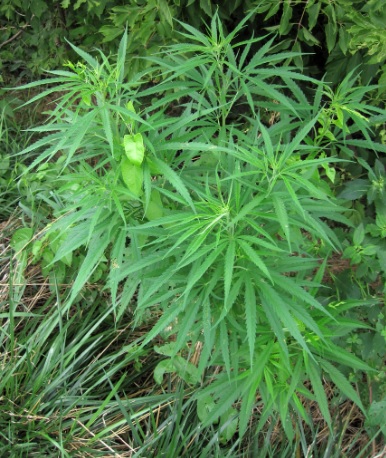
hemp plant for cbd

Understanding Cannabis Decriminalization

Continue reading What’s The Difference? Cannabis Decriminalization vs. Legalization
Posted on

Does CBD Affect Memory and Cognition?

can cbd interact

Introduction to CBD Oil and its effects on the body

CBD has been a fascinating topic for researchers. It’s thought to interact with our endocannabinoid system (ECS). This system regulates mood, appetite, and cognitive processes. Plus, it helps maintain homeostasis. Studies have looked into its potential health benefits.

Continue reading Does CBD Affect Memory and Cognition?
Posted on

Does CBD Oil Affect Blood Pressure?

Introduction to CBD and its benefits for health

Cannabidiol (CBD) is a natural compound from the cannabis plant. It has become popular for its potential health benefits, like relief from anxiety, depression and chronic pain. It interacts with our endocannabinoid system to reduce inflammation and act as an antioxidant.

Research has been done on CBD’s effects on blood pressure. It is thought that taking CBD could lower blood pressure by decreasing stress and anxiety. More research is needed to be sure.

CBD has also been found helpful for epilepsy and multiple sclerosis. Plus, it is believed to relieve cancer-related symptoms such as pain and nausea.

CBD’s history goes back to 1940 when it was first isolated by Dr Roger Adams at the University of Illinois. But, it was only recently that it started being used widely due to marijuana being legalized in many countries for medical purposes. Nowadays, CBD products come in various forms like oils, tinctures and capsules. You can buy them online from Quiet Monk.

Always check with your doctor before using CBD if you have any medical condition.

CBD and Blood Pressure

To understand the impacts of CBD on blood pressure, it is important to learn about blood pressure and its effects on the body. This will also help us understand the studies and research that have been conducted on CBD’s effect on blood pressure. In this section, we’ll explore these two sub-sections briefly.

Understanding Blood Pressure and its effects on the body

Maintaining optimal blood pressure is a must. Unusual levels can cause issues with organs, like heart problems, kidney failure, and blindness. Monitoring it is key. Who knew getting high could be so beneficial? Turns out CBD can help keep your blood pressure down!
blood pressure and cbd

Studies and Research on CBD’s Effect on Blood Pressure

Multiple studies have been conducted lately to observe the effects of CBD on blood pressure. Results show CBD has a positive influence on blood pressure levels. Therefore, researchers are still exploring its potential benefits.


A table was created displaying some of the significant studies on the effect of CBD on blood pressure levels.

Primary Author(s)Year PublishedPatients & Sample SizeTreatmentResults
Khalid A. Jadoon et al.2016Nine healthy male volunteers; sample size: ninePlacebo or 600 mg CBD‘CBD reduced resting systolic BP & stroke volume.’
W.S.B.Vincent et al.201948 participants with hypertension. Split into two groups.Micronized full-spectrum hemp oil/placebo‘Reductions from baseline observed in both groups.’
Rudolf Schicho201310 healthy men inhaling THC, CBD or placeboTHC powder inhalation‘CBD inhalation had no effect on CV parameters or BP.’

Limited research shows potential positive effects of CBD on blood pressure issues. But, more research is needed to determine accurate results. It’s best to consult a healthcare provider before consuming CBD. Read labels and research reputable brands for a safe and beneficial experience. So, is CBD the new chill pill? Let’s find out how it affects your blood pressure!

How CBD Affects Blood Pressure?

To understand how CBD affects blood pressure and to find solutions, the article delves into the interactions between CBD and the endocannabinoid system, the modulation of stress and anxiety, and the anti-inflammatory properties of CBD. These sub-sections give insight into the specific ways in which CBD may impact blood pressure levels.

Interactions with the Endocannabinoid System

CBD and the body’s endocannabinoid system (ECS) have been widely studied. It appears to bind to ECS receptors, which may influence blood pressure levels. This could be due to CBD binding to CB1 and CB2 receptors that regulate blood pressure.

CBD is thought to alter receptor activity, thereby changing the diameter of blood vessels and flow. Studies have also suggested that CBD could help regulate inflammation, a factor in high blood pressure.

Early findings are encouraging. CBD’s potential to treat high blood pressure through ECS interaction is an exciting prospect. As research continues, health care providers should keep up with new evidence on CBD’s many health benefits.

If you or someone you know has high blood pressure, consulting with a qualified medical professional about best practices may be helpful. Don’t miss out on exploring all treatment options! Say goodbye to stress and anxiety with CBD – life is too short to be a bundle of tension.

Modulation of Stress and Anxiety

Experts have observed the impact CBD has on managing stress and anxiety. It interacts with serotonin receptors, which regulate mood and anxiety levels. This could lead to reduced stress and an emotional balance.

Studies show CBD can reduce the body’s reaction to stressful situations, resulting in less anxiety. It may even help treat PTSD.

However, it’s not a replacement for professional mental health treatment.

Plus, a study in Frontiers in Psychology found that CBD can reduce social anxiety related to public speaking.

CBD is like a chill friend cooling down a heated argument – it lowers blood pressure and inflammation.

Anti-Inflammatory Properties

Researchers have long been intrigued by CBD’s potential anti-inflammatory properties. It’s thought that CBD, a non-psychoactive compound, modulates the immune system by reducing inflammation and promoting cell survival. This could be due to its interaction with CB1 and CB2 receptors which leads to fewer proinflammatory cytokines. Additionally, its antioxidant properties may contribute to fighting cellular inflammation.

CBD’s anti-inflammatory effects seem to be beneficial for multiple conditions caused by chronic inflammation, such as cardiovascular disease and rheumatoid arthritis. But, research on humans is quite limited, so more investigations are needed.

In 1992, scientists discovered the endocannabinoid system (ECS) with CB1 and CB2 receptors throughout the body. Ever since then, scientists continue to explore the positive effects of various cannabinoids on our health. Say goodbye to high blood pressure and hello to chill vibes with CBD – it’s the ultimate blood pressure management tool.

Benefits of CBD for Blood Pressure Management

To effectively manage your blood pressure, consider the potential benefits of using CBD. In order to understand the benefits of CBD for blood pressure management with potential as an effective treatment for hypertension, reduction in cardiovascular risks, and improvement in overall health and well-being.

Potential as an Effective Treatment for Hypertension

CBD is a potential tool for managing high blood pressure. Studies show it might help relax arterial walls and reduce inflammation. These are both critical for hypertension. Plus, CBD is considered safe and non-addictive, unlike traditional medication. However, more research is needed to understand the benefits of CBD for hypertension.

Lowering your blood pressure with CBD is like having a security guard for your heart. It’ll keep the bad stuff out and the good stuff in.

Reduction in Cardiovascular Risks

CBD for Blood Pressure Control?

Could CBD oil be the answer to managing your blood pressure? It’s becoming an increasingly popular treatment option for illnesses, such as hypertension. Studies have shown that CBD has vasodilatory properties, leading to increased blood flow, which can help regulate high blood pressure.

In addition, CBD also has anti-inflammatory and anti-oxidant properties that are essential for maintaining a healthy heart. The FDA has approved CBD to treat rare forms of epilepsy, however, research continues on its effectiveness in hypertension management.

Aaron experienced high blood pressure with medication, but after consuming CBD oil regularly, his blood pressure decreased to a stable level within weeks. While further research is needed to conclusively assess CBD’s effectiveness in managing hypertension, initial results are promising. Could CBD be the solution to managing your blood pressure?

Improvement in Overall Health and Well-being

CBD has been seen to have helpful effects on health and wellbeing. It activates receptors in the endocannabinoid system, which can reduce inflammation, aid relaxation and better the cardiovascular system. Additionally, it can help with stress and anxiety, which are known to increase blood pressure.

Studies show that CBD may be useful for other things too. It can help with chronic pain and better sleep. This could result in better overall well-being. However, more research is needed to understand CBD’s therapeutic properties.

Pro Tip: Before using CBD to manage blood pressure or improve health, speak to a healthcare provider. Try these CBD products to help lower blood pressure!

Best CBD Products for Managing Blood Pressure

To manage your blood pressure with the help of the best CBD products, you can choose from topical CBD oils and creams, edibles and capsules, CBD tinctures and concentrates. In this section of the article ‘Best CBD Products for Managing Blood Pressure,’ we’ll explore the benefits of these products for managing your blood pressure and how they can help you lead a healthier life.

Topical CBD Oils and Creams

Topical CBD creams are the perfect choice for managing blood pressure. These products are applied directly to the skin, which penetrates deep into the body to bring relief from hypertension.

  • They have anti-inflammatory properties that reduce inflammation and pain in blood vessels.
  • CBD gels and topicals activate endocannabinoid receptors, aiding the regulation of blood pressure.
  • Consumers can choose full-spectrum or isolate extracts, based on their needs.
  • These products vary in strength, formula, and brand.
  • The absorption rate is individual-dependent.

The best part? Topical CBD oils and creams don’t enter the bloodstream. So, no psychoactive effects – unlike THC or other forms of CBD consumption.

Studies have shown great results for using topical CBD for hypertension management. Users have reported reduced symptoms after adding these products to their treatment plan.

Edibles and Capsules

CBD products can help manage blood pressure. Edibles and capsules are two great options. They offer easy dosing and can be consumed discreetly. Plus, they have a longer onset time when absorbed, yet effects last longer. Also, each serving has precise amounts of CBD, making it great for those on medication.

Vegan gummies, coconut oil capsules – there’s something for everyone! But, watch out for nausea or an upset stomach if taken in large amounts. Start with small doses and increase gradually.

Try edibles or capsules today and feel the benefits of cannabinoids! Don’t forget to check out oils and tinctures either. Who needs a monitor? Get your heart racing with CBD!

CBD Tinctures and Concentrates

CBD tinctures and concentrates are highly desired solutions infused with CBD (Cannabidiol). They’re popular for managing blood pressure due to fast-acting effects.

It’s key to review potency before use, as concentration levels of CBD in tinctures vary greatly from product to product. Check out the table below for reputable CBD tincture and concentrate products and their concentrations:

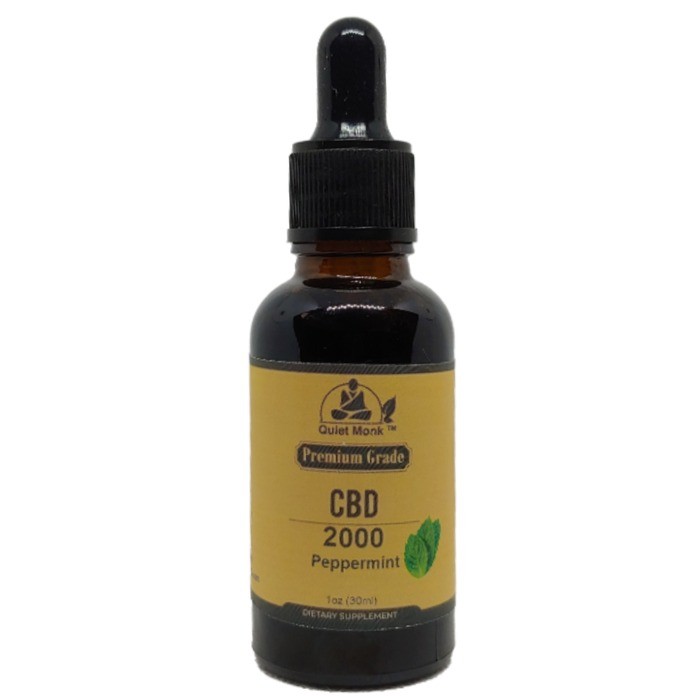
2000mg cbd tincture
2000 mg CBD Oil
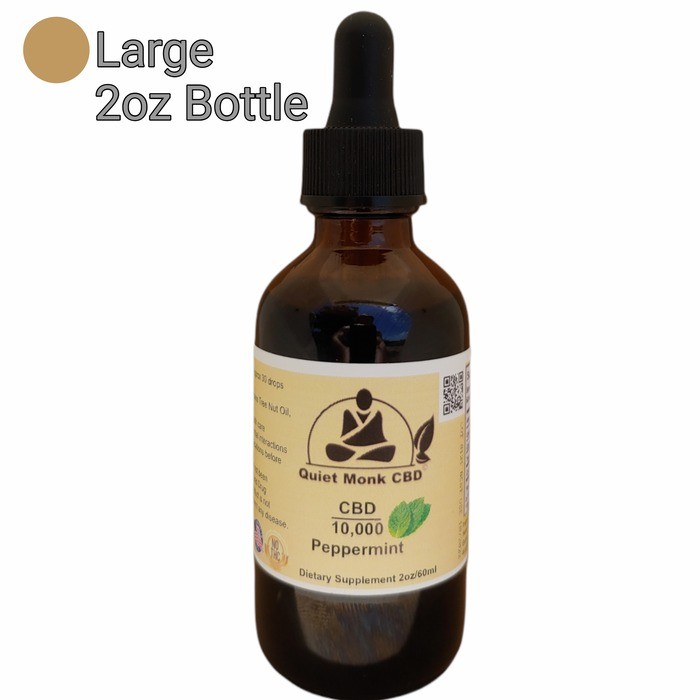
max strength 10,000 mg cbd oil
10,000mg CBD Oil Tincture

Remember, hold these products under the tongue for around 30 seconds for maximum effectiveness.

It’s wise to consult a doctor prior to starting any new supplement regimen.

According to a study published in The American Journal of Medicine, taking CBD daily may reduce systolic blood pressure by 5mmHg on average. CBD can do wonders for the heart! The future of medicine is looking greener.

Conclusion: CBD and Blood Pressure – The Future of Medicine

CBD’s impact on Blood Pressure has gained massive focus as a potential medicine. New research demonstrates that CBD can reduce blood pressure by soothing arterial walls and diminishing inflammation. It could be a novel therapy for hypertension, a major danger factor for heart disease. The potency of CBD on blood pressure also relies on elements like dosage, frequency, and personal body chemistry.

Using CBD supplements with medical guidance can assist in managing high blood pressure levels. Adding healthy habits, such as frequent exercising, quitting smoking, and reducing salt intake can enhance general cardiovascular health.

Frequently Asked Questions

1. Can CBD lower blood pressure?

There is evidence to suggest that CBD may have a positive effect on blood pressure, with some studies indicating that it can help to lower it. However, more research is needed in this area.

2. Is it safe to take CBD if you have high blood pressure?

Overall, CBD is considered safe for most people, including those with high blood pressure. However, it is always a good idea to speak with your doctor before adding any new supplements to your routine.

3. How does CBD affect blood pressure?

Although the exact mechanism is not fully understood, it is believed that CBD may help lower blood pressure by relaxing blood vessels and reducing inflammation.

4. What is the recommended dosage of CBD for blood pressure?

There is no specific dosage recommended for CBD and blood pressure, as individual responses can vary. It is generally recommended to start with a low dose and gradually increase as needed while monitoring for any potential side effects.

5. Are there any side effects of taking CBD for blood pressure?

While CBD is generally well-tolerated, some people may experience side effects such as fatigue, changes in appetite, or diarrhea. It is always a good idea to speak with your doctor before starting any new supplement regimen.

6. Can CBD interaction with blood pressure medication?

Yes, CBD may interact with certain medications, including some blood pressure medications. It is important to speak with your doctor before taking CBD if you are currently taking any medications to ensure there are no potential interactions that could be harmful.

Posted on

Can CBD Oil Help With Anxiety?

Understanding anxiety and CBD

can cbd help with anxiety

Anxiety, a mental health disorder that affects millions, has been studied regarding using CBD as a treatment. CBD, a cannabis plant component, is thought to have calming properties that can help manage anxiety symptoms. Studies suggest it may reduce social anxiety, general anxiety disorder and PTSD. However, more research is needed to understand how effective CBD is.

Studies in 2019 on mice showed lower anxiety and depressive behaviour in those given CBD. 2011 saw a small study finding people with social anxiety disorder experienced reduced anxiety with doses of CBD. 2015 saw patients with PTSD using CBD oil having significant reductions in hyperarousal symptoms compared to placebo.

It’s important to note that using CBD for anxiety should always be done with medical supervision. Additionally, the effects of different types and doses of CBD are still not fully understood. Preliminary data is promising, yet more research must be done before healthcare professionals can widely recommend it.

Survey results from Consumer Reports in 2019 found that among over 4,000 Americans using CBD regularly for conditions including anxiety, pain and insomnia, more than one-third said it was moderately or extremely effective for their condition. It looks like our endocannabinoid system was just waiting for some good ol’ CBD lovin’ to ease our anxious minds.

How CBD interacts with the body’s endocannabinoid system

CBD’s interaction with the endocannabinoid system is unique. It interacts with the body’s receptor sites, CB1 and CB2. Plus, it exhibits a distinct mechanism by connecting with non-cannabinoid receptors like TRPV1, 5HT1A, and GPR55.

The table below shows some of CBD’s interactions with the endocannabinoid system:

CBD’s Interaction With Endocannabinoid SystemMechanism
Inhibits FAAH enzymeIncreases anandamide levels
Antagonizes CB1 receptorReduces psychoactive effects of THC
Positive allosteric modulator on CB1 receptorsEnhances receptor’s ability to bind with agonists
Modulates COX-2 & LOX enzymesReduces inflammation

CBD’s impact on non-cannabinoid receptors signals that it could have a wide range of applications beyond anxiety management. For example, it may help treat neuropathic pain, epilepsy, and depression.

Pro Tip: Before using any new products or supplements, always speak with a healthcare professional.

Studies on CBD’s potential effectiveness in reducing anxiety

Studies suggest that CBD may help with managing anxiety symptoms. It interacts with receptors in the body responsible for regulating mood, such as serotonin. This can lead to reduced anxiety. Plus, it reduces inflammation and oxidative stress in neural tissue.

Most people find CBD safe and well-tolerated. But, it’s important to talk to your doctor before taking any new supplements or medications. Combining CBD with cognitive-behavioral therapy (CBT) may further improve treatment outcomes and quality of life.

CBD products – from gummies to oil – take on anxiety like a pro wrestler in the ring!

cbd and anxiety

Different forms of CBD and their effectiveness in treating anxiety

CBD’s ability to treat anxiety varies depending on the form used. It’s a popular topic of discussion amongst researchers and consumers. Let’s look at the different types of CBD and their use in treating anxiety.

The table below provides an overview of the different forms of CBD, their THC levels, dosage accuracy, administration methods, onset time, duration period, and effectiveness.

TypeTHC LevelDosage AccuracyMethod of Admin.Onset TimeDuration PeriodEffectiveness
Full Spectrum CBD< 0.3%Not preciseOral/Sublingual15-45 Minutes4-6 hoursHigh
Broad Spectrum CBDNone present
(isolated) or
0.01% (distillate)
Precise
(isolated) or not precise
(distillate)
Oral/Sublingual
consumption
15-45 Minutes4-6 hoursHigh
CBD Isolate
(Powder & Crystals)
None present
(pure isolate)
or less than
0.01%< br>
PreciseOral, vaporizing
or added to food & drinks
15-60 minutesUp to 12 hours <|/td>Medium-high

All three types are effective in treating anxiety. But there are big differences between them in terms of THC level, dosage accuracy, onset time, duration period, and administration methods.

When selecting the best CBD for anxiety, consider factors such as the severity of symptoms, personal preferences, and medical history.

Pro Tip: Always consult a healthcare professional before consuming any form of CBD. Finding the perfect CBD dosage for anxiety is like finding a needle in a haystack, but with more relaxation.

CBD dosage for anxiety

When figuring out the right CBD dosage for anxiety, weight, severity of symptoms, and individual tolerance must be taken into account. A good starting point is 20-40mg a day and increase by 5mg weekly until desired effects are achieved.

Everyone reacts differently to CBD, so finding the best dosage could take a while. Different forms of CBD, such as oils or capsules, can also affect its strength and absorption.

Research on CBD is ongoing and there’s no set dosage for anxiety yet. However, speaking to a healthcare professional and slowly increasing the dosage is advised to reduce any potential risks.

A study published in the Permanente Journal shows that CBD use in people with anxiety and sleep disorders was linked to major improvements in both areas. Don’t worry, the side effects of CBD are much milder than anxiety!

Potential side effects and risks of using CBD for anxiety

CBD for anxiety can come with side effects and risks. It is important to note the potential repercussions. Here are some things to keep in mind:

  • It could interfere with other medications
  • Possible liver damage
  • Diarrhea, fatigue, loss of appetite, and weight changes
  • May lead to psychosis or make depression worse in some cases
  • The dosage is unique for each person and needs monitoring

You should consider your own needs before trying CBD. Don’t use it in place of medication without professional help.

Pro Tip: Always talk to a doctor before taking supplements or changing your healthcare routine.

Looking on the bright side, using CBD for anxiety is much safer than watching the news.

Precautions when using CBD for anxiety

Before using CBD for anxiety, speak to a healthcare professional. Start with a low dose and increase gradually, if needed. Research the brand and make sure it is trustworthy. Do not take high doses or overdose.

Note: Full-spectrum CBD might contain traces of THC that may trigger a positive drug test. Tell your employer or authorities about your CBD usage and THC levels. Also, keep a journal to track anxiety symptoms and dosage adjustments.

At the end of the day, if CBD helps reduce anxiety, who cares if it’s the placebo effect?

Conclusion: Can CBD help with anxiety?

CBD, a chemical compound from cannabis plants, may help with anxiety. Research has shown that CBD may interact with receptors in the brain, which control mood and anxiety. More studies are needed to fully grasp the advantages of CBD for anxiety. Nonetheless, some people have stated they felt a decrease in their anxiousness after using CBD products.

Moreover, it is worth noting that CBD is usually tolerated by people with minimal side effects. Furthermore, it is lawful in many parts of the world, making it simple to obtain for those wanting to use it for their anxiety.

If you are interested in CBD for anxiety, it is essential to firstly consult with a doctor to check if it is a suitable treatment. Additionally, finding a trustworthy provider of top-notch CBD items can guarantee safety and effectiveness.

Advice: If you’d like to try CBD for anxiety, begin with a low dose and gradually increase as necessary under the guidance of a healthcare specialist.

Frequently Asked Questions

Q: Can CBD help with anxiety?

A: Yes, CBD has been found to have calming effects on the body and can help reduce symptoms of anxiety.

Q: How does CBD work for anxiety?

A: CBD interacts with the body’s endocannabinoid system, which regulates mood, sleep, and appetite, among other things. It can help stimulate the production of serotonin, a hormone that regulates mood, and decrease the production of cortisol, a stress hormone.

Q: Is CBD safe for anxiety?

A: CBD is generally considered safe for most people, but it can interact with certain medications. It’s important to talk to your doctor before using CBD, especially if you’re taking other medications.

Q: How do I take CBD for anxiety?

A: CBD can be taken in a variety of forms, including oils, capsules, gummies, and topical creams. The best form and dosage of CBD for anxiety can vary depending on the individual, so it’s best to start with a low dose and speak with a healthcare professional for guidance.

Q: Are there any side effects to taking CBD for anxiety?

A: Some people may experience side effects such as fatigue, dry mouth, or changes in appetite when taking CBD. However, these side effects are typically mild and go away on their own after a short period of time.

Posted on

Can CBD Oil Help with Depression?

What is CBD?

CBD, a compound from the Cannabis sativa plant, is one of over 100 phytocannabinoids. Unlike THC, it doesn’t cause a “high”. Instead, CBD has possible health benefits and therapeutic properties.

It interacts with the body’s ECS. This system has a vital role in regulating mood, appetite, sleep, and immune function. CBD may also act on serotonin receptors in the brain, which are linked to mood and anxiety.

Studies indicate that CBD may help reduce depression symptoms by linking with the ECS and decreasing brain inflammation. Further research is needed to learn how effective it is.

Healthy lifestyle choices, such as exercise and diet, may help mental health. It’s also beneficial to receive professional guidance from a therapist or doctor when dealing with depression.

While exploring natural remedies like CBD for potential mental health benefits, it’s crucial to consider a holistic approach.

Alongside lifestyle choices such as exercise and diet, some individuals may find solace and relaxation through alternative methods.

Understanding depression

Depression is a mental health disorder that affects millions. It causes persistent sadness, hopelessness, and loss of interest in activities. Life events, genetics, chemical imbalances, and other medical conditions can trigger it. Symptoms vary and can include changes in appetite, sleep disturbances, fatigue, and physical aches. Understanding depression helps with diagnosis and treatment.

Research suggests CBD may help with some depression symptoms. It interacts with the body’s endocannabinoid system (ECS). This system helps regulate mood, emotions, and stress response. By triggering receptors, CBD may reduce anxiety and improve cognitive function. It may also boost serotonin levels – linked to happiness and well-being.

Research on CBD for depression is still new and limited. Results are mixed, with some showing promise and others showing no effect. More research is needed to understand its potential benefits and risks.

If you or someone you know is struggling with depression, seek professional help. A therapist can provide guidance on treatment and lifestyle changes like exercise.

max strength 10,000 mg cbd oil
10,000mg CBD Oil Tincture

How can CBD help with depression?

To understand how to alleviate depression with CBD, you need to analyze how CBD affects the brain. CBD’s interaction with the brain is one of the sub-sections we will cover. The next sub-section focuses on CBD’s effect on serotonin, which plays a crucial role in mood regulation. Finally, we will discuss CBD’s anti-inflammatory properties, which can help mitigate the symptoms of depression by reducing inflammation in the body.

CBD’s interaction with the brain

CBD indirectly interacts with the brain, influencing the endocannabinoid system. This helps regulate mood, appetite and sleep. It interacts with CB1 and CB2 receptors, reducing inflammation, anxiety and pain.

Studies suggest that CBD interacts with neurotransmitters like serotonin, dopamine and GABA. This could help symptoms of depression, by lowering cortisol levels.

Research further indicates that CBD induces neuron growth in the hippocampus, an area of the brain that regulates mood. Its anti-inflammatory properties could also be beneficial for depression, as neuroinflammation is linked to mood disorders.

If you’re considering alternative treatments for depression, speak to your health provider about adding CBD to your plan. Research is still ongoing, but early results are promising. Don’t miss out on this potential relief!

CBD’s effect on serotonin

CBD’s impact on serotonin levels is significant. It acts as a reuptake inhibitor, preventing serotonin from breaking down too quickly. This boosts serotonin levels, potentially helping with depression symptoms such as anxiety and low mood.

Depression is often linked to low serotonin levels. CBD oil could be a potential alternative to prescription antidepressants, as one woman found. She reported feeling more stable and less anxious after using it – although this is not typical for everyone.

CBD also has anti-inflammatory properties, which may improve brain function. Say goodbye to inflammation and hello to good vibes with this natural option!

CBD’s anti-inflammatory properties

CBD has the power to interact with the endocannabinoid system, which can fight against inflammation. This can help reduce depression symptoms as inflammation in the brain can decrease serotonin levels, thus leading to depression. CBD’s anti-inflammatory properties can also benefit those with autoimmune diseases and arthritis.

Studies show that CBD can lower pro-inflammatory cytokines. It does this by activating certain receptors in the body’s endocannabinoid system. These receptors regulate inflammation and the immune response, and by targeting them, CBD can help limit the release of inflammatory molecules and reduce inflammation overall.

It’s essential to remember that CBD may help, but it should not be used as a substitute for traditional therapy or medication. Ask a healthcare professional before starting any new treatment.

One person with depression and chronic pain noticed a significant improvement after taking CBD. She still uses medication and therapy, but adding CBD has assisted in managing her pain and improving her mood without any adverse effects.

Studies on CBD and depression

To understand the effectiveness of CBD in treating depression, studies on CBD and depression with evidence from animal and human studies can provide insight. The evidence from animal studies and human studies are two sub-sections of this section that present scientific evidence that support the potential of CBD in treating depression.

Evidence from animal studies

Animal studies have been conducted to see if CBD helps with depression. Results showed that CBD could regulate mood and reduce depression-related behaviors by affecting the serotonin receptors in the brain.

Study 1 found that CBD had an antidepressant effect, due to its effect on serotonin.

Study 2 showed that CBD could increase proteins connected with neuroprotection and reduce inflammation in the region of the brain connected with mood, anxiety and depression.

Study 3 suggested that CBD could help with post-traumatic stress disorder and depression behaviors by reducing bad memories.

Animal studies have limited value when it comes to humans. However, these findings suggest future research should investigate CBD as a possible way to deal with depression.

A holistic approach to managing depression is best. This includes cognitive-behavioral therapy, medication and alternative treatments like yoga and mindfulness meditation.

Evidence from human studies

CBD may be an effective treatment for depression. Studies suggest it can change brain function to improve mood and reduce anxiety. Additionally, CBD may boost the effects of traditional antidepressants. More research is needed to understand its benefits and risks.

CBD has been studied for anxiety, PTSD, and other mental health conditions. Results are encouraging, but more scientific research is required to determine its safety and efficacy.

For some individuals, CBD has had a significant impact on their symptoms. But, others have reported no effect. Dosage, administration method, and individual biology may all influence its effectiveness.

Jane experienced success with CBD for her depression. She added CBD oil to her routine and noticed a huge improvement in just a few weeks. While more research is needed, personal stories like Jane’s demonstrate CBD’s potential for those with mental health issues.

CBD as a potential treatment option for depression

To explore CBD as a potential treatment option for depression with a focus on its advantages over traditional antidepressants and the recommended dosage and administration. Discover how CBD could be the alternative solution you’ve been looking for to manage your symptoms effectively.

Advantages of CBD over traditional antidepressants

Cannabidiol (CBD) has potential as an alternative to regular depression medications. Benefits include fewer side effects, faster results, and a more natural approach than antidepressants. Additionally, CBD is non-addictive and may work for conditions that other drugs don’t.

  • Fewer side effects than regular antidepressants.
  • Faster results to help with depression.
  • More natural therapy than traditional medication.
  • Non-addictive and no risk of dependency.
  • Studies show promise in using CBD for depression.

Plus, there are less long-term health concerns and no interactions with other drugs when taking CBD oil. It works even on those with treatment-resistant depression who don’t respond to regular medicine.

As research continues, speak to your doctor about integrating CBD into your treatment plan. Don’t miss out on possible options; consider talking to your therapist about CBD today! Finding the correct dosage is easier than finding a therapist who takes your insurance.

2000mg cbd tincture
2000 mg CBD Oil

Dosage and administration of CBD for depression

CBD may be an effective treatment for depression, but one must figure out the right dosage and method to use it. Factors like body weight, severity of symptoms, existing health conditions, etc. should be taken into account when dosing CBD for depression.

Here are some things to keep in mind:

  • Taking CBD orally or sublingually via oil tinctures is the most common way.
  • Higher doses are necessary for those with severe symptoms.
  • Taking too much may cause anxiety or drowsiness.
  • Consult your medical practitioner before starting or altering current dosages.
  • Everyone’s reaction depends on their endocannabinoid system and general health.

Keep in mind that everyone’s needs will be different and there is no fixed dosage.

Start small and increase weekly until therapeutic dose is reached. It may take several weeks to see results. One person’s experience was easy, unlike pharmaceuticals. CBD may help, but it won’t make your boss nicer!

Possible side effects of CBD

We should think about CBD’s potential side effects before using it. These may include dry mouth, dizziness, nausea, fatigue, and changes in appetite. These reactions are usually mild and temporary, but they can be different from person to person. Also, it is important to note that CBD interacts with certain medications, so consulting a doctor before using it is essential.

Higher doses of CBD may lead to liver toxicity. But more research is needed to know for sure. Everyone’s body chemistry is different, so the possible side effects may not apply to all individuals.

Using CBD to relieve depression symptoms has become popular. But researchers haven’t studied it enough yet. Some studies suggest CBD may interact with receptors involved in mood regulation and help manage depression symptoms. Before starting or stopping any medication or supplement, it is best to get advice from a healthcare provider.

A study of a woman taking 50 mg/day of CBD for anxiety and sleep disorders revealed clinical improvement after one month. She reported fewer anxiety symptoms and better sleep quality, without side effects. While this suggests positive outcomes for some users, more studies are necessary to confirm these results.

Why not try out all natural remedies for depression and become the most zen version of yourself?

Other natural remedies for depression

Depression is a serious medical issue that affects millions of people globally. Alongside medication and therapy, there are natural remedies that can help those suffering from this illness. These treatments can reduce symptoms, support mental health, and elevate mood.

Three natural remedies for depression are:

  • Exercise: Physical activity raises serotonin levels in the brain, which can lessen depression symptoms.
  • Diet: Eating foods high in omega-3 fatty acids can enhance brain function and lower inflammation.
  • Meditation: Mindfulness activities such as meditation or yoga can decrease stress and anxiety, leading to less depressive symptoms.

It’s crucial to remember that everyone experiences depression differently; thus, locating the right alternative treatment may take time and experimentation. It would be wise to consult with a healthcare professional before beginning any new treatment plan.

An encouraging approach worth considering is Transcranial Magnetic Stimulation (TMS). TMS uses a non-invasive magnetic field to stimulate certain areas in the brain that control mood. The results have been good with few or no side effects.

Alice’s Story:

Alice had battled depression for years but was hesitant about conventional medication. She began including mindfulness practices in her daily routine and modifying her diet. She found these lifestyle changes were helpful in reducing her depressive symptoms. Even though it wasn’t an immediate fix, she saw notable improvements over time.

Can CBD help with depression? It might not replace your therapist, but it could make them more pleasant.

Conclusion: Can CBD help with depression?

CBD may be able to help manage depression symptoms. Its anti-inflammatory and neuroprotective properties interact with the body’s endocannabinoid system to potentially reduce anxiety and depression levels. Research is still needed, but CBD could be a useful addition to traditional treatments.

Studies have revealed that CBD can activate serotonin receptors in the brain. This increases the amount of this neurotransmitter, leading to improved mood and reduced sadness or hopelessness. Some users find relief from insomnia and other sleep-related issues when using CBD.

It’s essential to remember that while CBD may be beneficial for managing depression, it shouldn’t replace professional medical advice or treatment. Always talk to a healthcare provider before beginning any supplement regimen.

Don’t miss out on potential relief – ask your doctor about adding CBD to your treatment plan!

cbd laboratory

Frequently Asked Questions

Q: What is CBD?
CBD stands for cannabidiol, which is a naturally occurring compound found in the cannabis plant. It is non-psychoactive, meaning it does not produce the “high” associated with marijuana use.

Q: Can CBD help with depression?
There is evidence to suggest that CBD may help alleviate symptoms of depression, but more research is needed. CBD has been found to have a positive effect on serotonin levels, which are often low in people with depression.

Q: Is CBD a substitute for antidepressants?
No, CBD should not be used as a substitute for prescribed antidepressants without consulting a doctor. It may be used alongside other treatments, but should not replace them.

Q: How should CBD be taken for depression?
CBD can be taken in a variety of forms, including oil, capsules, edibles, and topicals. The best method of ingestion will depend on personal preference and the severity of symptoms.

Q: What are the side effects of CBD?
CBD is generally considered safe, but some people may experience side effects such as fatigue, nausea, and changes in appetite. It is important to talk to a doctor before starting any new treatment.

Q: Is CBD legal?
The legality of CBD varies by state and country. In the United States, CBD derived from hemp containing less than 0.3% THC is legal at the federal level, but still may be prohibited by state or local laws. It is important to research the laws in your specific area before using CBD.

Posted on

Can CBD Help With Addiction Recovery?

CBD, or cannabidiol, is a compound found in cannabis. It interacts with our body’s endocannabinoid system, which is responsible for regulating functions like appetite, sleep, pain, and immune response. Unlike THC, CBD does not create a psychoactive effect.

What is CBD and Its Effects On The Body

Studies suggest that CBD can reduce anxiety and depression symptoms, help improve sleep, reduce inflammation and maybe even reduce seizures in people with epilepsy.

CBD is gaining attention for its potential in addiction recovery. Some studies indicate it can reduce drug cravings and anxiety associated with withdrawal. However, more research is needed to fully understand the impact of CBD on addiction recovery. It shouldn’t replace traditional treatments and therapy. Talk to a doctor before using it as part of an addiction treatment plan.

Meditation and exercise are other strategies that may help with addiction recovery. These activities can reduce stress and promote feelings of wellbeing, which may support recovery efforts. Don’t kick the habit – let CBD help you gently nudge it towards the door.

How CBD can help with addiction recovery

CBD’s potential in aiding addiction recovery has gained much attention lately. With various studies showcasing its ability to reduce anxiety and depression, it might prove useful in managing symptoms of withdrawal.

Notably, CBD might help regulate the body’s endocannabinoid system, which affects functions like mood, pain, and appetite. This regulation might help in reducing cravings and managing stress, which can contribute to relapse. Additionally, CBD might have anti-inflammatory properties that can assist in treating various underlying conditions such as chronic pain and sleep disorders.

Furthermore, studies have reported CBD’s potential in reducing drug-seeking behaviors in animal models of addiction. Although more research is needed to establish its effectiveness in humans, early indications suggest that CBD might help in managing addiction to substances like opioids and cocaine.

A former drug addict, George, shares how CBD helped him in his addiction recovery. George revealed that despite several attempts, he struggled with addiction and the accompanying withdrawal symptoms. However, after discovering CBD, he found that it eased his anxiety and cravings significantly, enabling him to overcome his addiction.

Overall, although more research is needed, CBD’s potential in aiding addiction recovery cannot be ignored. Its effectiveness in treating various underlying conditions and reducing addiction-related symptoms make it an intriguing option for those struggling with addiction.
Why quit cold turkey when you can kick opioids to the curb with CBD? Your body will thank you, and so will your sense of humor.

recovery with cbd

CBD as a potential treatment for opioid addiction

CBD could aid in opioid addiction recovery. Data suggests it can help lessen withdrawal symptoms, reduce the successful outcome of opioids, and decrease cravings. Plus, it can also better mood and thinking abilities, making it simpler for people to deal with emotional issues during recovery. Adding CBD to a complete treatment plan can back up long-term sobriety.

So, get rid of your stress ball and use CBD oil instead – it’s a more laid back way to manage your cravings and anxiety.

CBD as a tool for managing cravings and anxiety

Research suggests CBD can help cope with addiction recovery. It interacts with our endocannabinoid system to regulate mood, sleep, and appetite – resulting in less anxiety and fewer withdrawal symptoms. Plus, CBD has been found to weaken the power of addictive substances like alcohol and opioids. By using CBD during recovery, one can better manage triggers and enhance their chances of long-term sobriety.

CBD also has a unique benefit – it may tackle low mood or depression which is often experienced during early recovery. Studies have demonstrated CBD’s antidepressant effects, aiding with the emotional challenges of alcohol or drug withdrawal. Although many have reported success with CBD, individual results might differ.

Pro Tip: Always consult a medical professional before adding new supplements like CBD to your addiction recovery plan. With CBD, you’ll sleep like a baby and your mood will thank you!

CBD as an aid in improving sleep and mood

Research suggests that CBD products has the potential to aid with sleep and mood. Studies show it interacts with receptors related to sleep and anxiety, reducing stress and increasing relaxation. It also increases serotonin, which improves mood and decreases depression symptoms.

CBD could provide relief from chronic pain and inflammation, which often cause sleep issues and low mood. Remember that everyone responds to CBD differently – depending on dosage and consumption.

If you or someone you know has sleep or mood issues, consider CBD with a medical professional. Don’t miss out on potential benefits that could improve your quality of life! Who knew CBD was a way out, not a gateway to addiction?

Research studies on CBD and addiction recovery

In recent times, many research studies have been conducted to explore the potential of CBD in addiction recovery. These studies have concluded that CBD may have therapeutic effects on individuals struggling with addiction. CBD has the potential to minimize the intensity of withdrawal symptoms, including anxiety, depression, and nausea, which ultimately reduces the risk of relapse. Additionally, CBD may also enhance the efficacy of traditional addiction recovery treatments.

Furthermore, studies have shown that CBD can prevent drug-seeking behavior and reduce drug-induced euphoria. This is because CBD directly works on the brain’s reward circuitry, which is responsible for the development of addiction. Although more extensive research studies are required to gain a deeper understanding of CBD’s clinical applications in addiction recovery, the initial findings are promising.

Unique details uncovered include CBD’s ability to reduce cravings for nicotine and opioids. CBD can accomplish this by regulating the addictive drug’s rewarding effects by modifying brain circuits. Besides, studies have found that using CBD as part of addiction recovery can lead to improved mental health and better cognitive performance.

Anecdotal evidence from individuals who have utilized CBD in their addiction recovery process has been incredibly positive. Most of these individuals have reported decreased anxiety, better stress-management skills, and a reduced risk of relapse.

In the past, individuals who were in recovery had limited alternatives available for treatment, and they had to rely on traditional addiction recovery methods exclusively. However, research studies have discovered that CBD has the potential to enhance the traditional addiction recovery process, providing hope for individuals seeking alternative treatment options for addiction recovery.

The impact of CBD on drug-seeking behavior in rodents

CBD has been studied for its role in reducing drug-seeking behavior in rodents. Research shows it can reduce anxiety and stress levels, which are triggers for relapse.

The first study to find an impact of CBD on drug-seeking behavior in rodents was conducted by Dr. Friedbert Weiss in 2006. Since then, various groups have tried to confirm these findings.

Clinical studies on CBD for addiction treatment in humans

Studies show CBD might be a good way to treat addiction in humans. It seems to ease withdrawal symptoms, cravings, and anxiety that come with substance abuse. It also looks like using CBD won’t lead to dependency or tolerance. However, more research is needed to understand how CBD helps addiction.

A pro tip: CBD should not replace a complete treatment plan from a medical professional. It’s not enough to fix the root problem of addiction.

Limitations and future directions of CBD research in addiction recovery

Studies on the potential benefits of CBD in addiction recovery have limitations. This means more exploration is needed. Researchers must conduct more extensive and rigorous clinical trials that use standard protocols. These will ensure results can be compared. What’s more, studies need to look into optimal dosages and administration routes, as well as long-term outcomes.

Despite these limitations, current evidence supports the idea that CBD may reduce substance use disorders and relapses. It could also help ease symptoms of anxiety, depression, and other conditions that often come with addiction. Future studies should answer questions about safety and effectiveness when used with conventional treatments like psychotherapy or pharmacotherapy.

Many people have reported positive experiences using CBD as an addiction recovery tool. But, in some countries, legal regulations make accessing quality CBD products hard. So, advocacy groups are campaigning for better drug policies that would make alternative therapies like CBD more accessible. This could improve treatment outcomes for those with addiction.

Frequently Asked Questions

1. Can CBD help with addiction recovery?

Research suggests that CBD may have potential for helping with addiction recovery. It has been shown to reduce drug cravings and may have a positive impact on the brain’s reward system.

2. How does CBD work for addiction recovery?

CBD interacts with the endocannabinoid system, which plays a role in regulating various physiological and cognitive processes, including addiction. It may help to reduce drug cravings and alleviate symptoms of withdrawal.

3. Is CBD a substitute for other addiction treatments?

No, CBD is not a substitute for other addiction treatments, such as counseling or medication-assisted treatment. It can be used in conjunction with these treatments and may enhance their effectiveness.

4. Are there any side effects of using CBD for addiction recovery?

While CBD is generally well-tolerated, some people may experience side effects such as fatigue, diarrhea, or changes in appetite. It is important to talk to a healthcare professional before using CBD for addiction recovery.

5. Is CBD legal for addiction recovery?

The legality of CBD varies by state and country. In the United States, CBD is legal at the federal level if it is derived from hemp and contains less than 0.3% THC. However, some states have stricter laws regarding CBD.

6. How should I use CBD for addiction recovery?

The optimal CBD dosage for addiction recovery is not well-established, and may vary depending on factors such as the severity of addiction and individual tolerance. It is important to start with a low dose and gradually increase until you achieve the desired effect. It is also important to use high-quality CBD products from reputable manufacturers.

Our Latest Posts

Posted on

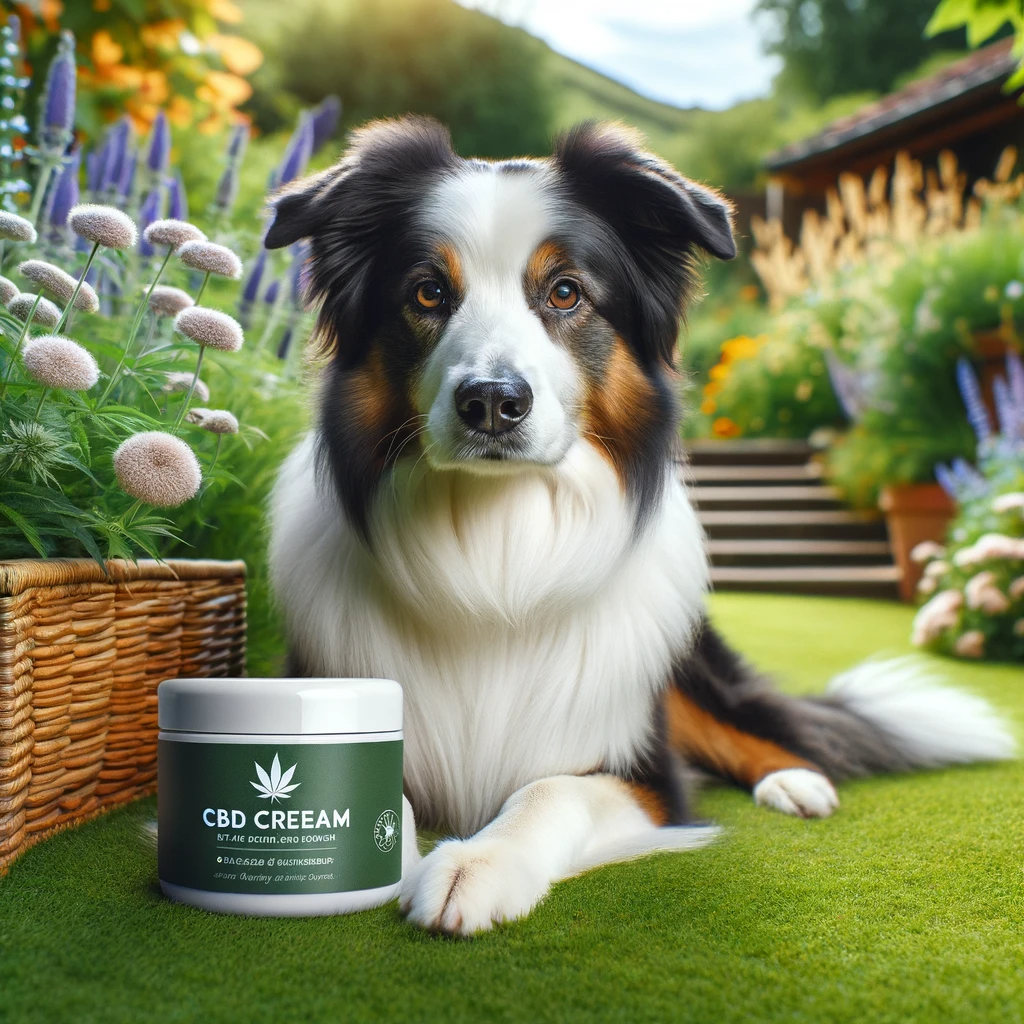
Can I Use CBD Cream on Dogs?

can i use cbd salve and creams on my dog

CBD cream has become a hot topic here recently – pet owners are wondering if it’s safe to use on their furry friends. A word of caution: products designed for humans may have ingredients that can harm dogs, so make sure you get a cream specifically for your pets.

The short answer is yes. However read the entire article for all the info and what to look for!

Continue reading Can I Use CBD Cream on Dogs?
Posted on

Can You Use Manuka Honey And CBD On Tattoos?

manuka honey and cbd oil on tattoos

Can Manuka Honey be Used on Tattoos?

Manuka honey has been a natural remedy for centuries. It can help with healing tattoos, too. This honey has antibacterial properties that can prevent infection. But, always talk to a dermatologist or tattoo artist first.

It’s important to buy high-quality manuka honey, with a high UMF (unique manuka factor). Put a thin layer of honey on the tattoo and keep it on for 20-30 minutes. Then, wash off with warm water.

Continue reading Can You Use Manuka Honey And CBD On Tattoos?
Posted on

Can You Use CBD Salve On a New Tattoo?

using cbd salve on a tattoo

Can CBD salve be used on a new tattoo?

CBD salve is a suitable option for new tattoo care. It has anti-inflammatory properties and can reduce swelling and redness. Moisturizing benefits aid in keeping skin soft and hydrated during healing. However, it’s important to consult a tattoo artist or dermatologist first.

Continue reading Can You Use CBD Salve On a New Tattoo?
Posted on

Is CBD Balm Good For Healing Tattoos?

CBD balm and tattoos healing

CBD Balm: Your Tattoo’s Best Friend!

CBD balm is a special ointment made with Cannabidiol, a compound derived from cannabis plants. It’s popular in the tattoo industry because it helps enhance the healing process and soothe irritation.

This balm includes essential fatty acids, vitamin E, and other nourishing ingredients that keep skin healthy. Plus, it has anti-inflammatory and analgesic properties to help reduce pain and inflammation. The cannabinoid compounds in CBD balm can even speed up the skin regeneration process and protect against environmental factors.

Continue reading Is CBD Balm Good For Healing Tattoos?
Posted on

What Does CBD Do For Tattoos?

what cbd can do for tattoos

What is CBD

CBD, or cannabidiol, is a compound found in cannabis plants. It isn’t psychoactive and has possible therapeutic benefits. You can get it as oils, capsules, gummies, and creams. Many are now interested in CBD and its potential.

When applied to the skin, CBD may help reduce pain and inflammation. It could also reduce itching and speed up healing of the tattooed area. However, research on the effects of CBD on tattoos is still limited.

Continue reading What Does CBD Do For Tattoos?
Posted on

Is CBD Legal in Michigan?

CBD Legalities in Michigan: Understanding the Laws and Licensing Requirements

CBD Legalities in Michigan: Understanding the Laws and Licensing Requirements

Michigan has emerged as a cannabis-friendly state with favorable laws surrounding CBD. Whether derived from hemp or marijuana, CBD is legal in Michigan, as the state has its own regulations regarding cannabis. In this article, we will delve into the CBD laws specific to Michigan and explore the licensing requirements within the state.

cbd and Michigan

What is CBD?

Exploring the Benefits and Legality of CBD in Michigan

CBD, short for cannabidiol, is a non-psychoactive compound extracted from the cannabis plant. Often found alongside THC, CBD offers a wide range of potential benefits, including anti-inflammatory, anti-oxidative, pain relief, anti-seizure, and anxiety relief properties. Numerous medical studies have showcased the therapeutic potential of CBD, making it a subject of growing interest.

To comprehend the laws governing CBD in Michigan, it is crucial to have a clear understanding of what CBD actually is.

CBD: A Cannabis Derivative

Differentiating CBD from Marijuana within Michigan’s Legal Framework

While CBD is derived from the cannabis plant, it is essential to note that it is not synonymous with marijuana. CBD is merely obtained from a cannabis plant, and this distinction is vital to bear in mind. Both industrial hemp and marijuana belong to the cannabis plant species.

Understanding the difference between hemp and marijuana is crucial. Additionally, CBD is a non-psychoactive compound, unlike its cousin THC. Therefore, CBD cannot induce a high or intoxicating effect. As long as CBD is derived from hemp and contains less than 0.3% THC, it remains non-intoxicating.

In compliance with federal regulations, CBD products must be sourced from hemp to maintain legality. With a THC content of 0.3% or less, CBD products do not possess the potential to induce intoxication.

In fact, the THC concentration is so low that one could consume an entire container of CBD oil without experiencing any psychoactive effects. This makes CBD oil an appealing natural alternative to medications with harsh side effects. Extensive research and development have significantly contributed to the growing body of knowledge surrounding CBD oil.

However, it is important to note that the Food and Drug Administration (FDA) is still in the process of determining the approval process for CBD. Until this process is finalized, CBD oil will not achieve dietary supplement status.

Understanding the Legality of CBD

Navigating the Complexities of CBD Legality

The legal status of CBD can vary from state to state, presenting a complex landscape. Although CBD is federally legal, individual states have their own regulations. While many states have aligned themselves with the 2018 Farm Bill and do not regulate finished CBD products, Michigan has its own unique approach.

In Michigan, both CBD and THC are legal. Typically, in states where CBD oil is legal, it is imperative to ensure that it is derived from hemp to ensure the THC content remains below 0.3%. However, since marijuana is recreationally legal in Michigan, the source of CBD becomes less significant.

It is essential to note that CBD products derived from marijuana can be intoxicating, while those sourced from hemp are not. This distinction is crucial, as not everyone enjoys the feeling of being high.

The Impact of the Farm Bill on Industrial Hemp

Revolutionizing Hemp Cultivation with the 2018 Farm Bill

The passage of the 2018 Farm Bill brought about a significant revolution in the realm of hemp and industrial hemp products. This legislation federally legalized the cultivation of hemp for recreational purposes.

The Farm Bill specifically removed hemp, defined as cannabis containing less than 0.3% THC by weight, from the list of controlled substances.

The United States FDA and CBD Oil

Regulatory Oversight and Considerations for CBD Oil

The Food and Drug Administration (FDA) holds the authority to regulate CBD oil product labeling, monitor therapeutic claims, and determine the usage of CBD for recreational and dietary purposes. Currently, the FDA does not permit the advertisement of hemp-derived CBD oil as a dietary supplement or as an additive to food and beverages.

The FDA is responsible for authorizing any health claims made by CBD oil products. However, apart from the pharmaceutical drug Epidiolex, no other medications have received this designation. While the FDA has maintained strict regulations in the past, it has shown signs of softening these restrictions and considering appropriate legislation for labeling CBD oil as a dietary supplement.

Furthermore, the Farm Bill has granted states the power to decide whether to allow or prohibit the cultivation and business of CBD within their jurisdictions.

CBD Legality in Michigan

Understanding the Legal Status of CBD in MI

CBD products are fully legal in Michigan, including marijuana products. As a result, there is no need to ensure that CBD products are derived from hemp unless you wish to avoid the psychoactive effects associated with marijuana.

Remember, hemp-derived CBD products contain less than 0.3% THC to comply with federal guidelines, while marijuana products can have THC contents exceeding 25% or more.

If you prefer not to experience a high, it is advisable to use CBD products derived from hemp.

Licensing Requirements for CBD in Michigan

Navigating the Licensing Landscape

According to Michigan state law, licenses are not required for CBD products containing less than 0.3% THC. The state does have an industrial hemp program established by the Michigan Department of Agriculture and Rural Development (MDARD). The program allows farmers, processors, state colleges, and universities to grow, handle, process, and conduct research on industrial hemp.

The hemp program in Michigan is governed by Senate Bill 850, which outlines the regulations and requirements for those involved in the cultivation and utilization of hemp.

CBD Possession Limits in Michigan

Understanding Your Rights

In Michigan, you are allowed to possess CBD items without any legal restrictions.

Where to Buy CBD in Michigan

Finding Reliable Sources for CBD Products

CBD oil products, also known as hemp oil, are readily available throughout Michigan. Consumers can purchase CBD oil and other hemp-derived CBD products from various online stores and brick-and-mortar retailers.

However, it is crucial to exercise caution when buying CBD online. Numerous reports have indicated that approximately 25% of CBD products are either counterfeit, under-dosed, or mislabeled. Given the expense of CBD, it is disheartening to see individuals being taken advantage of by unscrupulous CBD companies.

cbd money back guarantee

As a family-owned and operated CBD company, Quite Monk provides only premium CBD products with a 30-day money-back guarantee. We encourage you to consider our products before making a purchase. Your satisfaction is our priority.

1500mg cbd cream pump
CBD cream 1500mg
3 pack 2000mg cbd cream
CBD cream 2000mg
3000 mg cbd creams
CBD cream 3000 mg
high strength 5000mg cbd oil drops
5000mg CBD Oil Tincture

To protect yourself from fraudulent CBD companies, it is recommended to educate yourself on what to look for when purchasing CBD products.

A Clear Understanding of CBD Legality in Michigan

In conclusion, CBD is completely legal in Michigan, aligning with the federal guidelines set forth in the Farm Bill. Michigan’s CBD laws do not have any ambiguous areas or unusual regulations pertaining to hemp or hemp-derived products.

To summarize the legalities of CBD oil in Michigan:

  • Hemp-derived CBD oil is legal.
  • It must contain less than 0.3% THC (broad-spectrum CBD oil contains minimal THC, while full-spectrum CBD can contain up to 0.3%).

Conclusion A Clear Understanding of CBD Legality in Michigan

In conclusion, CBD oil is completely legal in Michigan, aligning with the federal guidelines set forth in the Farm Bill. Michigan’s CBD laws do not have any ambiguous areas or unusual regulations pertaining to hemp or hemp-derived products.

To summarize the legalities of CBD oil in Michigan:

  • Hemp-derived CBD oil is legal.
  • It must contain less than 0.3% THC (broad-spectrum CBD oil contains minimal THC, while full-spectrum CBD can contain up to 0.3%).
  • CBD derived from marijuana is not legal.
  • Consumers are advised to purchase CBD products from reputable sources to avoid counterfeit or mislabeled products.

Michigan residents have the freedom to explore the benefits of CBD without the fear of legal repercussions. Whether seeking relief from pain, inflammation, seizures, or anxiety, CBD offers a natural alternative worth considering.

Remember, it is always recommended to consult with a healthcare professional before incorporating CBD into your wellness routine, especially if you are currently taking any medications or have underlying medical conditions.

With a clear understanding of the laws and licensing requirements surrounding CBD in Michigan, individuals can confidently explore the world of CBD products and their potential benefits.

Please note that while the information provided in this article is accurate at the time of writing, it is always advisable to stay updated on any changes to state or federal regulations regarding CBD.

Choose reputable sources, educate yourself on product quality, and enjoy the benefits of CBD within the legal framework of Michigan.

Posted on

Is CBD Legal in New York?

Is CBD Legal in New York

Are you wondering about the legality of CBD in New York? Can you easily purchase CBD oil in the state? In this legislative review, we’ll address these questions and provide more information.

CBD derived from hemp is legal in New York. The state follows the federal guidelines outlined in the Farm Bill, which states that CBD products are legal as long as they contain less than 0.3% THC.

Now, let’s delve deeper into the CBD laws and licensing requirements specific to New York. But yes, it is legal in he state of New York!

Continue reading Is CBD Legal in New York?
Posted on

Is CBD Legal in Delaware?

Are CBD and CBD oil legal in the state of Delaware? Can individuals purchase CBD oil in Delaware? In this legislative review, we will address these inquiries and provide additional information on the subject.

In summary, CBD derived from hemp is legal in Delaware. The state adheres to the federal guidelines established by the Farm Bill, which stipulate that CBD products are legal as long as their THC content is below 0.3%.

Let’s delve further into Delaware’s CBD laws and the licensing requirements within the state.

First, let’s understand what CBD is and its relation to cannabis. CBD, short for cannabidiol, is a non-psychoactive compound derived from the cannabis plant. It is one of over 100 different cannabinoids found in the hemp plant. While CBD has gained significant attention, researchers are also exploring the potential benefits of other cannabinoids. CBD can be found in various products such as gummies, balms, pills, and tinctures, among others.

Studies indicate that CBD possesses numerous beneficial properties, including anti-inflammatory, anti-oxidative, pain relief, anti-seizure, and anxiety relief properties. It has shown promising results in various medical field studies.

To better understand Delaware’s laws, it’s important to recognize that CBD is a derivative of cannabis. However, it is essential to note that CBD is distinct from marijuana. Both industrial hemp and marijuana fall under the cannabis plant species. CBD is a non-psychoactive relative of THC, meaning it does not produce a high. As long as CBD is derived from hemp and contains less than 0.3% THC, it does not possess the psychoactive effects associated with marijuana.

Federal regulations currently require all CBD products to originate from hemp to maintain federal legality. With a THC content of 0.3% or less, CBD products do not produce intoxicating effects.

In fact, this THC concentration is so low that consuming a considerable amount of CBD oil would not result in a high. Many individuals prefer CBD oil as a natural alternative to medications with harsh side effects. The research and development investments in CBD oil have been extensive in recent years.

It’s worth noting that the FDA is still developing its approval process for CBD. Until this process is finalized, CBD oil cannot achieve the status of a dietary supplement.

Why is CBD illegal in some places? The legality of CBD varies from state to state. While CBD is federally legal, individual states have their own laws governing its use. While most states have followed the guidelines set by the 2018 Farm Bill, some states regulate finished CBD products more strictly.

Buy CBD in Delaware

aloe cbd gel 5000mg for arthritis
Aloe CBD Gel
3 pack 2000mg cbd cream
CBD cream 2000mg

Delaware has reclassified hemp byproducts as agricultural products separate from marijuana

The state’s definition of hemp includes the plant Cannabis sativa L., and any part of the plant, regardless of whether it is growing or not, with a delta-9 tetrahydrocannabinol concentration of no more than 0.3% on a dry weight basis.

In contrast, some more conservative states associate CBD with marijuana, even though CBD itself is non-psychoactive. Consequently, these states have stricter regulations regarding hemp.

The 2018 Farm Bill

The 2018 Farm Bill brought significant changes for hemp and industrial hemp products. It legalized the cultivation of hemp for recreational purposes. The bill specifically removed hemp, defined as cannabis containing less than 0.3% THC by weight, from the list of controlled substances. Cannabis as a whole is also currently under consideration for removal from the same list.

The Food and Drug Administration (FDA) has the authority to regulate CBD oil product labeling, monitor therapeutic claims, and oversee the usage of CBD for recreational and dietary purposes. Currently, the FDA does not allow the advertisement of hemp-derived CBD oil as a dietary supplement or as an additive to food and beverages.

The FDA must authorize any health claims made by CBD

The FDA must authorize any health claims made by CBD oil products. To date, only one medication, Epidiolex, has received such designation. While the FDA has maintained strict regulations, it has recently shown signs of considering appropriate legislation regarding labeling CBD oil as a dietary supplement.

Additionally, the Farm Bill grants states the authority to decide whether to allow or disallow the cultivation and business of CBD.

Now, let’s shift our focus to the legal status of CBD oil in Delaware.

Is CBD legal in Delaware? Yes, CBD products are legal in the state. Delaware follows the same federal guidelines outlined in the Farm Bill of 2018. To ensure compliance with the law, individuals looking to purchase CBD products in Delaware should seek those derived from hemp and containing less than 0.3% THC.

Licensing requirements for CBD in Delaware are not necessary for products with THC content below 0.3%, according to state law. The regulations for hemp growers and processors are covered under the Delaware Hemp Program (Senate Bill 266). Individuals intending to grow, cultivate, or distribute hemp must apply to be a Delaware Domestic Hemp Production Program Producer, with renewals required every three years. For more information on renewals or new applications, please visit the following website: https://agriculture.delaware.gov/plant-industries/hemp-program/

Regarding CBD possession limits in Delaware, individuals are permitted to possess CBD items without the need for a license.

If you wish to purchase CBD in Delaware, CBD oil products, including hemp oil, can be found in various places. Consumers have the option of buying CBD oil and hemp-derived CBD products from online stores or brick-and-mortar retailers.

However, it’s important to exercise caution when purchasing CBD oil 10,000 online. With numerous brands in the market, it’s essential to choose a reputable company. Quiet Monk CBD, a family-owned and operated CBD company, offers premium CBD oil backed by a 30-day money-back guarantee. Consider exploring our products before making a purchase to ensure quality and reliability.

1000mg CBD cream in airless pump dispenser
You can start with our 1000mg CBD Cream

It’s worth noting that a study conducted by the FDA in the summer of 2020 revealed that approximately 25% of CBD products from different brands were either fake, under-dosed, or mislabeled. Given the expense of CBD products, it is crucial to avoid scams and make informed purchases.

In summary, CBD oil is completely legal in Delaware, and the state aligns with the federal guidelines stated in the Farm Bill. Delaware’s laws surrounding hemp and hemp-derived products are clear, without any ambiguous regulations. For federal guidelines on CBD products, please keep the following in mind:

  • Hemp-derived CBD oil is legal.
  • It must contain less than 0.3% THC (broad spectrum CBD oil contains almost no THC, while full spectrum may contain up to 0.3%).
  • It is recommended that CBD labels include a QR code that scans to a third-party lab result.
  • Marijuana-derived CBD is not legal.

That concludes our coverage of the legalities surrounding CBD oil in Delaware.

Posted on

2023 California Funds $20 Million in Cannabis Grants

California regulatory authorities have allocated approximately $20 million to 16 state universities for the purpose of conducting extensive scientific research on various cannabis-related matters and compounds. These investigations encompass a wide range of areas, such as mental health, the exploration of delta-8 and delta-10 compounds, and what is being touted as the pioneering examination of marijuana legacy genetics.

The selection of recipients was carried out from a pool of 98 proposals, with emphasis placed on robust methodologies, potential influence on policy, the advancement of public knowledge, and the capacity to develop fundamental research. These criteria were detailed in a news release.

A number of universities were fortunate enough to receive multiple awards.

Noteworthy recipients include:

  • UCLA, which secured $9.5 million to delve into intoxication levels associated with synthetic and semi-synthetic cannabinoids, the impacts of smoking concentrates and flower, interactions between cannabis and CBD, as well as medical marijuana usage.
  • The University of California San Diego, which obtained $917,000 for a four-year undertaking dedicated to examining the effects of cannabinoids on cognitive, psychiatric, and neural outcomes among young adults. Additionally, they will conduct a separate study concerning cannabis use and its impact on mental health among adolescents.
  • Cal Poly Humboldt, which was granted $2.7 million to undertake an identification, documentation, and preservation project aimed at capturing the history, value, and diversity inherent in California’s rural legacy cannabis genetics and the corresponding communities.
  • UC Irvine, which received $2 million to conduct research on the acute effects of high THC levels on mood, cognition, and abuse potential. Rasha Salama, the chief deputy director at the state’s Department of Cannabis Control, expressed the department’s aspirations for these studies, stating that they aim to advance the body of scientific research, further our comprehension of cannabis, and contribute to the ongoing development and refinement of the legal framework.

Salama added, “These studies will yield valuable insights into topics of significant interest to California’s consumers, businesses, and policy makers.”

cbd laboratory for swollen feet

Some of our other CBD articles:

Our other article about CBD for neck pain and CBD for foot pain.

Posted on

New 2023 Regulations For Hemp-derived Cannabinoids Tennessee

New regulations pertaining to the trade of hemp-derived cannabinoids within Tennessee are poised to take effect subsequent to receiving final endorsement from state legislators on Tuesday.

cbd hemp oil tincture
Laarn more about hemp oil 10,000mg

State House Speaker Cameron Sexton dispatched Senate Bill 378 to the office of Republican Governor Bill Lee, as indicated by a legislative database. It is anticipated that Governor Lee will affix his signature, thus enshrining the measure as law. The key provisions of the bill encompass the following:

  1. Hemp-derived cannabinoid products must undergo meticulous laboratory analysis, conform to stipulated labeling requirements, and be packaged in a manner resistant to tampering by children.
  2. Retailers engaged in the sale of hemp-derived cannabinoids are required to obtain a license from the state agriculture department no later than January 1, 2024.
  3. The fee for a license issued to producers is established at $500, while retailers must remit $250. Producers were already subject to a preexisting licensing prerequisite.
  4. Sales of hemp-derived cannabinoid products will be subjected to a novel “privilege tax” of 5%, the utilization of which state law expressly mandates “exclusively for the regulation of products containing a hemp-derived cannabinoid.
  5. Violators found contravening the newly established regulations may face a fine of $1,000 or be charged with a misdemeanor offense.
  6. Prospective purchasers of products incorporating hemp-derived cannabinoids are required to attain a minimum age of 21 years.

The state of Tennessee has aligned itself with a nationwide initiative aimed at exerting control over a predominantly unregulated market.

Certain states that have already legalized the adult use of marijuana have gone so far as to completely prohibit the sale and distribution of hemp-derived cannabinoids, including delta-8 THC.

Conversely, states such as Tennessee, where marijuana remains illegal, have duly recognized the surging demand for such products subsequent to their federal legalization under the 2018 Farm Bill.

Learn more about Hemp & CBD

Posted on

Does CBD Cream Help With Restless Leg Syndrome?

restless legs syndrome and cbd

Understanding Restless Leg Syndrome (RLS)

Say goodbye to restless legs and hello to peaceful slumber with the help of CBD! Restless Leg Syndrome (RLS) is an old medical condition that causes unpleasant sensations in the legs. These sensations lead to an uncontrollable urge to move the legs, which can make sleeping difficult. The cause of RLS is not totally known, but researchers think brain chemistry and genetics have something to do with it.

Alternative treatments, such as CBD, are often sought by those with RLS. CBD is a non-psychoactive compound from hemp plants that can have anti-inflammatory and pain-relieving effects. Studies suggest CBD may help improve sleep and quality of life for those with RLS, however it should never be seen as a cure-all or a substitute for conventional medical treatment. Always talk to a healthcare provider before trying new treatments.

1000mg CBD cream in airless pump dispenser
You can start with our 1000mg CBD Cream

The Benefits of CBD for RLS Relief

To explore the benefits of CBD for RLS relief, this section features two sub-sections, How CBD Works for RLS and Studies Supporting the Use of CBD for RLS. Learn about the potential benefits of using CBD to alleviate RLS symptoms, including how it works and the research studies that support its use.

How CBD Works for RLS

CBD, one of the main cannabinoids in hemp plants, is now getting lots of attention for its power to ease RLS symptoms. It does this by bonding and activating receptors in the endocannabinoid system, including those in charge of movement and coordination. This could help regulate nerve signals and muscle contractions that cause RLS.

Plus, studies show CBD’s anti-inflammatory properties may reduce inflammation and pain linked to RLS. And unlike other RLS medications, CBD doesn’t cause sedative side effects.

Pro Tip: When using CBD for RLS relief, start with a small dose and work your way up to the desired results. Before using CBD or other supplements/medications, always check in with a healthcare pro.

Ready to get a good night’s sleep? Science says CBD can help restless leg syndrome, so let’s chillax with this miracle herb!

1500mg cbd cream pump
CBD cream 1500mg

Studies Supporting the Use of CBD for RLS

Research suggests that CBD may help those with Restless Leg Syndrome (RLS). Symptoms such as discomfort and pain may be reduced. In addition, sleep quality may be improved.

CBD works by interacting with the endocannabinoid system. This system is involved in regulating functions such as pain perception and sleep. Furthermore, inflammation, which may be a factor in RLS, may also be reduced.

A 2017 study by the European Journal of Pain found that CBD helped to reduce pain and improve sleep quality in people with chronic pain. Take a high-tech and chill approach to treating your RLS, with CBD!

Best Ways to Take CBD for RLS Treatment

To get the most benefit from CBD in treating your RLS, the best approach is to find the right way to take it. In order to explore this, we’ll speak about the best ways to take CBD for RLS treatment with CBD dosage for RLS and choosing the right CBD product for RLS.

CBD Dosage for RLS

CBD has shown potential for managing Restless Leg Syndrome (RLS). Start with a low dose of 5-10 mg, and increase it until you get the desired results. Some may need higher concentrations up to 20-30 mg. Talk to your healthcare provider before taking CBD.

Healthy sleep and reduced stress levels can also help. Try stretching exercises before bedtime.

When choosing a CBD product, make sure it’s high quality. Research Certificates of Analysis, which show potency and absence of contaminants.

Finding the right CBD product is like finding a needle in a haystack. Except the needle is a good night’s sleep and the haystack is all the other ineffective remedies.

Choosing the Right CBD Product for RLS

Choosing a CBD product for Restless Leg Syndrome (RLS) can be a bit daunting. Oils, capsules, gummies, and topicals are all options. To get desired results, you need to be educated before selecting.

Check the THC and CBD percentage before you purchase. THC has psychoactive effects, while CBD relieves pain and promotes calmness. Look for pure hemp-derived CBD without additives or chemicals. Read lab reports to avoid side-effects.

Understand your own needs before selecting. Consider dosage intake frequency and personal preferences. There is no FDA-approved CBD medication or dosage for RLS yet; however, anecdotal evidence suggests that high-quality CBD can reduce symptoms.

Consult a physician to monitor your dosage and any other underlying health issues. Find a reputable vendor with favorable ratings and reviews for authentic, effective products. Then you can rest easy, knowing the only thing jumping around at night is your legs!

max strength 10,000 mg cbd oil
10,000mg CBD Oil Tincture

Precautions and Side Effects of Using CBD for RLS

Using CBD for RLS: Safety Measures and Negative Effects

CBD oil could be used to help alleviate Restless Leg Syndrome (RLS). But, before using it, certain safety precautions must be taken into account. Here are some key points to keep in mind when using CBD for RLS.

  • CBD oil is not regulated by the FDA. Therefore, it is important to get CBD from a reliable source when using it as a medicine.
  • Studies show minor side effects, such as fatigue and dry mouth, but long-term use can cause liver problems.
  • It is vital to consult a doctor or medical professional before using CBD oil as there may be underlying health conditions or medications that interact with it.

It is important to note that these safety measures are crucial for everyone who wants to use CBD Oil. Did you know that eating fatty meals can increase the effectiveness of this oil? Knowing these peculiar steps to take while consuming CBD For Restless Leg Syndrome can help lessen side effects and maintain safety.

Using CBD oil to manage RLS symptoms can be great; however, caution is key when taking medicines. The dosage is very important when it comes to any supplement or medication to treat Restless Leg Syndrome. It is suggested to start with a smaller dose and gradually increase.

Say goodbye to restless legs and hello to natural relief with these RLS remedies that won’t have you kicking and screaming for more.

Other Natural Remedies for RLS Relief

For those searching for relief from Restless Leg Syndrome, natural treatments are a preferred option. These remedies can give patients their much-needed comfort, without the side effects related to conventional treatments. Here are some of the other natural ways to lessen RLS symptoms:

  • Exercise for 30 minutes each day.
  • Take iron supplements to increase blood iron levels.
  • Use hot or cold compresses to reduce muscle pain and soothe leg discomfort.
  • Try massage therapy to reduce tension and anxiety.
  • Soak in Epsom salt to aid relaxation and reduce stress before bed.

Also, make lifestyle adjustments like avoiding caffeine and alcohol, to minimize RLS severity. Pro Tip: The results of natural remedies vary from person to person; contact a doctor if symptoms persist. Unlock the power of CBD to aid in calming restless legs syndrome.

Conclusion: Final Thoughts on Using CBD for RLS Treatment

CBD may be a potential remedy for those who suffer from RLS. Research suggests that its calming, anti-inflammatory properties can reduce symptoms like pain, twitching, and discomfort. It is safe, with few side effects. More research is needed to learn the long-term implications.

In addition to CBD, there are other alternatives like leg massage, yoga, stretching, or meditation. Massage helps relax tense muscles. Yoga stretches limbs and lowers stress with deep breathing.

Routine low-impact activities can also help relieve soreness and improve sleep. Combining them with CBD therapy has been found to speed symptom relief and better rest.

Frequently Asked Questions

1. What is Restless Leg Syndrome (RLS)?

Restless Leg Syndrome (RLS) is a neurological disorder that causes uncomfortable sensations in the legs and an uncontrollable urge to move them.

2. Can CBD help with Restless Leg Syndrome?

Yes, CBD has been known to help alleviate symptoms of restless leg syndrome by reducing inflammation in the body and increasing levels of neurotransmitters that regulate muscle movement.

3. How does CBD work for RLS?

CBD works by interacting with the body’s endocannabinoid system, which plays a role in regulating pain, inflammation, and muscle movement. By modulating the endocannabinoid system, CBD can help reduce discomfort and improve muscle movement in patients with RLS.

4. What is the best way to use CBD for Restless Leg Syndrome?

The best way to use CBD for RLS is to start with a low dose and gradually increase it until you experience relief from your symptoms. CBD can be consumed in many forms, including tinctures, capsules, and topicals. It’s important to consult with a healthcare professional before trying CBD to ensure it’s safe for you to use and won’t interact with any medications you’re taking.

5. Are there any side effects of using CBD for RLS?

While CBD is generally well-tolerated, some people may experience side effects such as fatigue, nausea, and dry mouth. These side effects are typically mild and can be managed by adjusting the dose of CBD. It’s important to speak with a healthcare professional before using CBD to ensure it’s safe for you to use.

6. Is CBD legal?

The legality of CBD varies by state and country. In the US, CBD derived from hemp is legal under federal law, but CBD derived from marijuana is still considered illegal at the federal level. It’s important to check the laws in your state or country before using CBD for RLS.

Posted on

Comparing the Pros and Cons of CBD vs Ibuprofen

CBD, a chemical compound extracted from hemp plants, has become a topic of debate among pharmaceutical enthusiasts. It’s known for its therapeutic benefits and fewer side effects than prescription drugs. Ibuprofen, however, is a synthetic medication used to treat pain caused by inflammation.

When it comes to side effects, CBD can cause drowsiness, fatigue, and loss of appetite. Long-term use of ibuprofen, on the other hand, may lead to stomach ulcers or kidney problems.

It’s important to note that the regulation of CBD products may vary from country to country. One user tried both medications and experienced abdominal cramps after taking ibuprofen, but enjoyed the relaxing benefits of CBD with no negative side effects.

What is CBD?

CBD is a compound found in Cannabis sativa plants. It’s one of many cannabinoids and doesn’t make you ‘high’ like marijuana does. It interacts with cannabinoid receptors in the body and could bring relief for pain, anxiety, and inflammation.

Ibuprofen and CBD differ when it comes to relieving pain. Ibuprofen stops prostaglandins from causing pain and inflammation. But, too much ibuprofen can lead to stomach bleeding and heart attack/stroke risks. CBD has fewer side effects and could be a better option.

We still don’t know all we need to know about CBD and its benefits/drawbacks. And, not all CBD products are equal. If you’re considering it, talk to your doctor and start with a low dose. Look for products that have been tested for potency and purity.

Ibuprofen and CBD can both be used for pain relief. Each has its own advantages and disadvantages. If you’ve had bad side effects from ibuprofen, consider trying CBD as part of your pain management plan.

1000mg CBD cream in airless pump dispenser
You can start with our 1000mg CBD Cream

What is Ibuprofen?

Ibuprofen, a nonsteroidal anti-inflammatory (NSAID), is popular for relieving pain and reducing fever. It inhibits the production of prostaglandins to help with inflammation, pain, and fever. You can get it without a prescription or in stronger dosages. It’s helpful for headaches, cramps, arthritis, and minor injuries.

It might also cause side effects like:

  • Gastrointestinal bleeding.
  • Stomach ulcers.
  • Kidney problems.
  • Interactions with other medicines like blood thinners or steroids.

Some people might look for alternatives to ibuprofen due to its potential for side effects. CBD (cannabidiol) from the cannabis plant is one option. It has anti-inflammatory and analgesic properties. CBD is available in a range of products like oils, capsules, topicals, and edibles.

When comparing ibuprofen and CBD, consider:

  • The severity of pain/inflammation/symptoms.
  • Any existing medications or underlying health conditions.
  • Talk to your healthcare provider.

Ibuprofen is widely used, but if you want to avoid liver damage, CBD may be a better choice.

Pros and Cons of CBD

To compare the pros and cons of using CBD as a viable alternative to ibuprofen, explore the benefits and drawbacks of CBD in this section. Weigh the benefits under the Pros sub-section, while the Cons sub-section looks at potential drawbacks associated with CBD usage.

Pros

CBD may bring cognitive benefits, pain relief and reduced anxiety. Studies suggest it can treat depression and insomnia. Plus, it could help with inflammation and acne too. Antioxidant properties are also believed to be present.

Fewer side effects than traditional pain relievers? That’s what one study suggested. Participants who used CBD experienced less pain and better sleep quality.

Epilepsy and seizures can be treated with CBD, especially in children unresponsive to standard meds. A Colorado mom used CBD oil on her 5-year-old son with severe epilepsy. After years of failed treatments, his seizures significantly reduced within days of starting CBD.

Much more research is needed to understand CBD’s benefits, but early indications are promising for various conditions including anxiety, pain relief and enhancing cognition.

Pain Relief

Cannabidiol for Pain Relief!

CBD, as it’s commonly known, is gaining popularity for its potential ability to manage pain. Here are five points about using it:

  • It may reduce inflammation, a key contributor to pain.
  • Interacts with receptors in brain and nervous system, which could help regulate pain.
  • Studies show it can reduce neuropathic pain related to MS and arthritis.
  • Non-addictive and doesn’t have side effects like opioid-based pain meds.
  • Dosage varies; speak to a professional before incorporating into treatment.

Research into long-term CBD use is ongoing, but many have reported success. Start with a small dosage and increase if needed.

For best results, combine CBD with other natural pain management methods like exercise, hot/cold therapy, and relaxation techniques. With advice from a healthcare professional, CBD could offer pain relief without the harmful side effects of traditional medication.

Anti-Inflammatory Properties

CBD’s potential to reduce inflammation and pain has caught the medical community’s attention. Research suggests it could have anti-inflammatory properties, which might lower inflammation throughout the body. Inflammation is linked to various chronic diseases, such as heart disease and arthritis. Additionally, studies also show CBD can help with pain caused by inflammation.

Moreover, the anti-inflammatory effects of CBD could be helpful for skin issues like acne and psoriasis. Unlike other anti-inflammatory medication, CBD does not have any bad side effects and is thought to be safe for long-term use.

It is worth noting that while CBD has promising anti-inflammatory potential, more research is needed to understand how it works and if it is effective. Before using CBD, it is recommended to talk to a healthcare professional.

A study in the European Journal of Pain found evidence that when CBD is applied directly to the skin, it could reduce joint pain and swelling due to arthritis – without any negative side effects. So, why not just take some CBD and ditch your anxiety?

Anxiety Relief

CBD use for anxiety is on the rise! Here’s how it works:

  • It interacts with serotonin receptors, aiding mood and behavior.
  • It also interacts with vanilloid receptors, helping reduce anxiety-induced pain and inflammation.
  • CBD oil can be taken sublingually or in capsule form to manage anxiety.

Plus, CBD has non-psychoactive properties and can be effective in reducing social anxiety disorder symptoms.

Managing Anxiety with CBD – Ideas to Consider

These tips may help you incorporate CBD into your anxiety management routine:

  • Begin with a low dosage and increase as necessary.
  • Choose high-quality products from reliable sources.
  • Try combining CBD use with other stress-busting activities like exercise, meditation, or therapy.

Research is still needed to determine CBD’s long-term safety and efficacy for anxiety. Before trying any new supplements or treatments, it’s important to speak with a healthcare provider.

Who needs a helmet when you have CBD? It’s like insurance for your brain.

Neuroprotective Properties

Studies suggest CBD can shield neurons from harm, due to lack of oxygen, stroke, or trauma. It reduces brain inflammation by decreasing the release of inflammatory markers. This could be helpful in avoiding certain neurological conditions such as Alzheimer’s and multiple sclerosis.

CBD also has antioxidant properties which combat oxidative stress in the brain. Oxidative stress is linked to Parkinson’s and Huntington’s disease.

Mr. X, who had been struggling with Parkinson’s for 10 years, tried CBD oil after medical prescriptions failed to help. The results were remarkable; His condition improved within weeks of use-He regained stability and other symptoms became easier to manage. This suggests CBD may be beneficial in treating various neurological issues through its neuroprotective effects.

CBD may have side effects, but it could provide peace of mind that the government isn’t spying on you…Right?

Few Side Effects

CBD has multiple health benefits, but some are scared of its potential side effects. It’s usually safe, but could have a few side effects. These include: dry mouth, drowsiness, digestive issues, and interaction with other medications. Research is limited, so more is needed. Thankfully, these side effects are minor compared to regular pharmaceuticals. With high doses or underlying medical conditions, extra side effects may occur. If that happens, stop using CBD and get medical help.

Lastly, it’s important to understand hemp’s history to understand why CBD isn’t psychoactive or addictive. This ancient medicinal use confirms its therapeutic value today. But be wary of CBD, it might make you too relaxed and agree to go to your ex’s wedding!

Our 3 most popular creams for neck pain!

Cons

CBD Limitations and Drawbacks

CBD can be beneficial, yet it has certain limitations and drawbacks that must be considered.

  • Dosage Difficulty: No regulation means determining the correct amount is hard.
  • Drug Interactions: Taking CBD without consultation can lead to side effects.
  • Delayed Effects: CBD takes longer to show results than most drugs.
  • Legal Status Complex: The legal status of CBD and hemp-derived products is still unclear in some countries.
  • Quality Control Issues: Many CBD makers can’t maintain quality-control, putting customers at risk.

Also, frequently using products with high levels of THC can lead to addiction. So, take necessary precautions before buying CBD oil.

Pro Tip:

Always consult medical professionals or certified experts before adding any supplements to your daily life routine. Without regulation, buying CBD oil is like playing Russian roulette, but instead of a bullet, you might get a placebo.

Lack of Regulation

The CBD industry has little regulation, leading to varying quality and safety. There’s no testing or labeling which makes it hard for consumers to figure out potency and purity. Fraudulent claims can be made, putting users at risk.

States have implemented regulations, but there’s still no federal one. This makes its legality and efficacy hard to determine. A JAMA study found only 30% of CBD products were accurately labeled. This shows the need for more regulation to ensure consumers get safe and effective products.

Uncertain Dosage

The challenge of finding the safe and effective CBD dosage is a matter of debate. Many factors, such as weight, concentration, and tolerability, make it difficult to determine the perfect amount. Here’s some crucial info about the uncertain dosage.

Factors like age and health status can influence a person’s tolerance for CBD. Heavier folks may need higher doses for it to work. Different products come with different concentrations, making the required quantity vary.

Other variables can also play a role in finding the best dose. It’s best to speak to a healthcare professional before using any medication or supplement. Consistency is key to experiencing CBD’s benefits. Start with low doses and increase gradually until you find what works for you.

Be careful when combining CBD with other medications; it can cause unexpected effects.

Possible Drug Interactions

Possible Interactions with CBD Medications

CBD might affect medications in different ways. It could inhibit or enhance them. So, it is essential to know about any possible drug interactions before using CBD in combination with other medications.

The table below lists some of the potential drug interactions with CBD:

MedicationsInteraction
Blood ThinnersRisk of bleeding could be higher
Anti-Seizure medicationsEffectiveness could be lower
Chemotherapy drugsSide effects could be more
Blood Pressure medicationsBlood pressure could go up or down
Sedatives/HypnoticsCould make you feel drowsier or more sedated
AntidepressantsSerotoninergic effect could be stronger

It is important to remember that this table is not complete. More research is necessary to fully understand all potential interactions.

If you are taking medication and want to use CBD, it is wise to talk to your healthcare provider first.

Pro Tip: Before adding any supplements to your medication routine, always speak to a medical professional.

Why take a chance when you can be safe instead?

Pros and Cons of Ibuprofen

To weigh the advantages and disadvantages of ibuprofen effectively for your pain, consider the pros and cons of the drug. Whether managing short-term or long-term pain, it’s essential to understand the benefits and drawbacks. In this section, we’ll discuss the pros and cons of ibuprofen, providing a balanced view of its effectiveness. The sub-sections include the pros and cons of this common pain relief medication.

Pros

Ibuprofen is a great pain and inflammation reliever. It can reduce fever, swelling, and pain from conditions such as menstrual cramps, headaches, arthritis, and toothaches. It does this by blocking prostaglandins that cause these issues.

What’s more, it has a shorter half-life than other NSAIDs. This allows it to be eliminated from the body quickly and with fewer side effects. Ibuprofen comes in different forms like tablets, capsules, creams or gels, which makes it easy to use.

However, it does have risks associated with it. For example, taking large amounts or using it for extended periods can cause stomach ulcers, bleeding risk, and kidney damage. To minimize these risks, follow the correct dosage instructions from healthcare providers.

Pro tip: Taking Ibuprofen with food or milk can reduce stomach irritation. When life brings on a headache, Ibuprofen is your personal hero!

Pain Relief

Pain Relief: An In-Depth Exploration

Ibuprofen is a popular choice for pain relief. It works by targeting inflammation and suppressing the prostaglandins causing pain and swelling. Here we discuss the effects of Ibuprofen on pain relief.

  • Pain Intensity Reduction: Ibuprofen reduces inflammation and blocks pain-signaling chemicals. This helps to reduce pain intensity.
  • Quick Action: Ibuprofen works fast, providing relief in minutes.
  • Versatile: It eases a range of pains, from menstrual cramps to headaches, migraines, toothaches, arthritis, and muscle soreness.
  • Affordable: It is an over-the-counter medication that is generally cheaper than prescription drugs.
  • Easily Available: Ibuprofen can be found in various forms, such as pills or liquids.

Although Ibuprofen provides great relief, one must keep a few things in mind when taking it. For example, taking it for a long time can lead to stomach irritation or ulcers. It can also interfere with blood pressure medicines or worsen asthma symptoms.

To make sure you get the most out of Ibuprofen while minimizing side effects, it is best to talk to a doctor before use. Taking the medicine with food can help prevent stomach irritation. Avoiding alcohol consumption is also important, as it increases the risk of stomach bleeding. Say bye to hot and bothered and hello to cool and collected with Ibuprofen’s fever-reducing powers.

Reduces Fever

Ibuprofen, a common over-the-counter drug, is renowned for its anti-inflammatory powers. It can also reduce fever. This remedy works by reducing prostaglandins in the brain that cause it.

Plus, Ibuprofen helps reduce fever by increasing blood circulation to the skin and encouraging sweating. Yet, taking more than the prescribed dosage can lead to stomach issues and bleeding.

It’s important to take the right dosage of Ibuprofen for fever relief. If you have other symptoms, like trouble breathing or chest ache, get medical help right away.

Reduces Inflammation

Ibuprofen is known for its anti-inflammatory properties. This makes it a great pain reliever. When taken correctly, it can reduce swelling and redness in the affected areas. It can even help with reducing discomfort, pain, and stiffness caused by rheumatoid arthritis, menstrual cramps, and other inflammation-related conditions.

However, ibuprofen can have side effects like stomach upset, nausea, and dizziness if taken incorrectly. Plus, it should not be used by people with bleeding disorders or during pregnancy without consulting a doctor.

If you plan to use ibuprofen, always follow the recommended dose and never overdose. An overdose could cause severe gastrointestinal bleeding or damage your kidneys. Moreover, it’s important to check with a healthcare professional first if you plan to take ibuprofen with other prescribed drugs.

Remember, although ibuprofen is easily accessible, it may be mistaken for candy in your medicine cabinet.

Over-the-Counter Availability

Ibuprofen is easily available without a prescription, making it simple to get relief from mild to moderate pain. It is available in different forms like tablets, capsules, and liquids. This flexibility allows people to address their pain quickly.

However, it is risky to use ibuprofen without following instructions. People should follow the dosage instructions and not take more than recommended. Those with health conditions such as kidney disease or bleeding disorders should consult their healthcare provider before using ibuprofen.

Similarly, people taking other medications should check for potential interactions with ibuprofen. To be safe, users should read labels carefully and speak with a medical professional when needed. Doing this will help them avoid harmful side effects and get maximum benefits from the medication.

Need help with foot pain? Read our article to find our best CBD cream for foot pain.

Cons

Unfortunately, ibuprofen has some cons. It can irritate the stomach lining and cause ulcers or bleeding. It might also affect kidney function and increase the risk of heart attacks or strokes. Some people may develop allergic reactions, like rashes, swelling or difficulty breathing. It can interact with other medications too, reducing their effectiveness or causing adverse effects.

Before taking ibuprofen, it’s wise to talk with your healthcare provider to evaluate the pros and cons. Pregnant women (third trimester), breastfeeding mothers, children under 6 months, kids younger than 12 (unless prescribed by doctor), adults over 65 (who are prone to have pre-existing conditions), and those with a history of stomach ulcers or bleeding disorders should avoid ibuprofen. Also, limit alcohol intake while taking ibuprofen; it can worsen the side effects.

To reduce the potential harm from ibuprofen, take it with food or milk. Don’t exceed the recommended dose or duration. Don’t use it for chronic pain without consulting a doctor. Monitor your blood pressure and kidney function if you have cardiovascular disease or diabetes. Look for alternative pain relievers if you experience allergic reactions or complications.

If you’re feeling gutsy enough to take ibuprofen, just remember it might also make your guts feel a little uneasy.

Gastrointestinal Issues

Ibuprofen can cause severe stomach issues such as ulcers and bleeding. People with pre-existing problems like acid reflux and gastritis are more at risk. Taking the medication with food can lower the chances of complications. Though, over-consuming the drug over a long period, even with food, may still lead to trouble.

Smokers and alcohol drinkers are more likely to incur side effects. Additionally, elderly people may be more susceptible due to weaker digestion. It has been reported that NSAIDs like Ibuprofen cause around 100,000 hospitalizations annually due to stomach troubles.

Nowadays, people are more aware of the dangers of NSAIDs. It is essential to get professional advice before taking the medicine and to heed their guidance.

Increased Risk of Heart Disease

Studies have shown that ibuprofen use can cause heart problems for those with pre-existing conditions like hypertension or diabetes. It is thus recommended that ibuprofen is used for short-term pain relief only. Other OTC meds, such as aspirin and acetaminophen, do not have the same risks as ibuprofen. Yet, when taken correctly and under supervision, ibuprofen can be a useful pain reliever.

Before starting any new medication, one should consult a doctor; this is especially important if they are taking other medications, have a medical issue, or are pregnant/nursing.

Despite the warnings, ibuprofen is preferable to headaches and cramps!

Possible Side Effects

Carefully consider the risks of taking ibuprofen! These are some common side effects:

  • Stomach ulcers and bleeding in the gut may occur, especially if you have a history of stomach issues, take high doses of medication, or consume alcohol while taking ibuprofen.
  • Cardiovascular damage, such as heart attacks, stroke, and blood clotting, can happen if you use ibuprofen for long periods or at very high doses.
  • Anaphylaxis, like skin rash, fever, and breathing problems, could occur, but is rare.
  • Ibuprofen may damage your kidneys if used frequently for long-term; be careful if you have pre-existing kidney disease.

These adverse effects can be scary, but most people use ibuprofen without problems. People with other medical conditions or who are taking other medicines should talk to their physician first before using this pain relief medicine.

Pro Tip: Ask your doctor how ibuprofen will affect you specifically, since it differs from person to person. You can take ibuprofen for pain relief, or CBD if you want to be the cool one at the party.

Comparison of CBD and Ibuprofen

To compare CBD and Ibuprofen, the article talks about their effectiveness, safety, availability, and cost. Discover the pros and cons of each solution to help you make an informed decision on which one to use for pain relief.

20,000mg cbd pain cream
CBD cream 20,000 mg

Effectiveness

CBD has promising results as a pain relief remedy, with no side effects. Ibuprofen is reliable for inflammation and fever reduction, but there are minor possible side effects.

CBD can reduce anxiety and depression, but with no psychoactive effects. Ibuprofen is good for cramps, headaches, toothaches, and back pain. It may enhance sleep quality for those with insomnia or sleeping disorders. Ibuprofen is ideal to reduce fever from infections like cold or flu.

Regarding reactions, both CBD and ibuprofen vary by person. Factors include age, genetics, medical history, lifestyle, current meds, etc. Moreover, CBD is natural from cannabis with only 0.3% THC, yet still reduces dependence on opiates meds. Long-term ibuprofen use increases risk for heart disease. Projectcbd org states, “Short-term NSAID use reduces pain – long-term increases risk.” Safety first, unless comparing CBD and ibuprofen. In that case, it’s ‘safety second!’

Safety

Ensuring the well-being of individuals was essential. Studies showed that both CBD and Ibuprofen are safe, when used in the right doses. But they can cause side effects like stomach issues, dizziness, or blood pressure changes. Always read labels and talk to medical professionals first.

CBD is said to have a higher safety profile than Ibuprofen, even at higher doses used for pain relief. It may also cause fatigue and appetite changes. Ibuprofen has had issues with mental health risks, leading to recalls in 2015. It’s important to consider this before taking any medication.

Looks like CBD prefers being chill and affordable, while Ibuprofen likes to leave a painful dent in your wallet and liver.

Availability and Cost

To review ‘Availability and Cost’ of CBD and Ibuprofen, several factors must be considered. Accessibility of the products may depend on the region. Moreover, cost is affected by brand name, product quality or method of extraction. Get Quiet Monk Coupons here

A table can be presented to compare them:

ProductAvailabilityAverage Cost
CBDWidely available online$50-$100
IbuprofenAvailable in pharmacies$10-$15

CBD is usually pricier than ibuprofen. Though, it comes in different forms such as oils, creams or capsules, so prices vary. Ibuprofen is easier to find in drugstores.

When it comes to pain relief, CBD and Ibuprofen may have equal efficacy. But only one won’t give you a post-use headache.

Conclusion

The Verdict of CBD vs Ibuprofen?

CBD and ibuprofen both have benefits for pain relief. Ibuprofen offers quick relief, but long-term use carries risks like digestive issues. On the other hand, CBD has few known side effects and is a holistic approach.

It is important to think about dosage, cost, and accessibility when making a decision. CBD may also help with anxiety and sleep quality. Ibuprofen carries risks with long-term use and has restrictions in pregnancy.

A man with chronic osteoarthritis found CBD oil changed his life. He had tried many medicines, but they were ineffective until he tried CBD. It enabled him to manage his pain without side effects during the day.

Frequently Asked Questions

Q: What is CBD?

A: CBD (cannabidiol) is a chemical compound derived from the cannabis plant that is used in a variety of products, including oils, gummies, and topical creams.

Q: What is ibuprofen?

A: Ibuprofen is a common over-the-counter pain reliever that is used to treat inflammation, fever, and pain.

Q: What are the pros of using CBD?

A: CBD is considered by many to be a natural alternative to traditional pain relievers and has been shown to have anti-inflammatory properties. It is also not addictive and has minimal side effects.

Q: What are the cons of using CBD?

A: CBD is still not heavily regulated and there is limited research on its long-term effects. It can also interact with certain medications and may not be as effective for severe pain.

Q: What are the pros of using ibuprofen?

A: Ibuprofen is readily available and is effective for reducing pain, inflammation, and fever. It also has a longer history of use and is well understood by medical professionals.

Q: What are the cons of using ibuprofen?

A: Overuse of ibuprofen can cause stomach ulcers, kidney problems, and other health issues. It is also not recommended for long-term use and can be addictive.

Posted on

Can CBD Cream Help with Neck Injuries in Soccer

cbd and soccer injuries

Athletes can use CBD cream to treat neck injuries. As an alternative to traditional painkillers, it doesn’t cause addiction or hurt the liver. For best results, athletes should apply the cream regularly and massage it in. Combining it with other treatments like physiotherapy and exercise can also speed up healing.

Continue reading Can CBD Cream Help with Neck Injuries in Soccer
Posted on

Does CBD Cream Relieve Athletic Back Pain?

athletes and cbd

A study in the Journal of Pain Research found that CBD may help with chronic pain and improve quality of life without adverse side effects. Before adding any new products to your regimen, make sure you consult a healthcare professional.

Back pain is like an unwelcome guest – but CBD cream can help you kick it out!

Continue reading Does CBD Cream Relieve Athletic Back Pain?
Posted on

Does CBD Help With Bruises?

CBD cream might be great for reducing the looks of bruises and speeding up healing time. Its anti-inflammatory effects can reduce pain and swelling from bruises. Plus, CBD could increase blood flow and promote tissue regeneration. But, don’t use it on open wounds or broken skin.

For the best outcome, put a tiny bit of CBD cream on the bruised spot and massage it until absorbed. Do this a few times throughout the day. It’s still wise to talk to your doctor before using CBD products, especially if you’re taking medication or have a health issue.

Include CBD cream in your daily routine and you may get relief from discomfort and heal bruises faster. Don’t miss out on these potential benefits of natural remedies.

1000mg CBD cream in airless pump dispenser
You can start with our 1000mg CBD Cream

Understanding Bruises

To better understand bruises and how to treat them effectively with CBD cream, it’s important to first understand the underlying causes and symptoms. In order to do this, we’ll delve into the causes of bruises, as well as the common symptoms that accompany them. By gaining a deeper understanding of how bruises present and why they occur, we can more effectively choose the right treatment options, including CBD cream.

Causes of Bruises

Bruises, also called contusions, happen when trauma damages blood vessels under the skin. The size of the bruise depends on the damage and bleeding.

Physical trauma or injury, like falling, bumping, or being hit, is the main cause. Sports and accidents can also cause bruises. Certain medicines like anticoagulants make people more prone to bruising.

Leukemia, hemophilia, and thrombocytopenia are medical conditions that lead to easy excessive bruising. Elderly people can get frequent bruises due to thin skin and weak blood vessels.

To avoid bruises, wear protective gear while playing sports or doing dangerous activities. Ice packs right after an injury can reduce swelling and bleeding, lowering risk of big bruises. Why Google symptoms when a quick look in the mirror can show a beautiful purple color?

2000 mg cbd pain cream
CBD cream 2000 mg

Symptoms of Bruises

Bruises can reveal a lot about their extent of injury. Here are some signs associated with bruises:

  • Discoloration – Skin may appear red/purple, then turn brown/yellow.
  • Tenderness – Hurtful to touch, painful when pressure applied.
  • Swelling – Can increase over time.
  • Bumps/Lumps – May form due to blood clotting beneath the skin.
  • Stiffness – Joint movement may be restricted, leading to stiffness.
  • Numbness – Severe cases may experience numbness near the injury.

It’s essential to get medical attention for bruises. It could be an underlying medical condition. Don’t ignore it. CBD cream can help relax and ponder the bruise’s cause. Health comes first!

What is CBD Cream?

To understand the benefits of using CBD cream on bruises, you need to know what CBD cream is and how it works. In this section on “What is CBD Cream?” with a focus on “How CBD Cream Works?” we will explore how this topical form of CBD can be effective in reducing pain, inflammation, and other symptoms associated with bruises without any intoxicating effect.

3000 mg cbd creams
CBD cream 3000 mg

How CBD Cream Works?

CBD cream is a great way to naturally reduce pain and inflammation. It works with the body’s ECS to boost healing. Applying it topically allows the CBD to be absorbed directly into the skin and ease discomfort. Plus, it activates other receptors in the ECS, providing extra advantages such as decreased anxiety and better sleep.

It’s important to remember that CBD creams come in various strengths and qualities. Opt for items made from hemp grown organically in the US and tested by third-party labs for safety and effectiveness. And, talk to a healthcare expert before using CBD cream, especially if you have any health issues or are taking medication.

Don’t forget about the potential advantages of CBD cream. Add it to your day-to-day routine to manage pain and promote overall wellbeing. Make sure to pick top-notch products for the best outcomes. Say bye to black and blue with CBD cream – it’s like your own personal superhero!

Does CBD Cream Help Bruises?

To understand if CBD cream helps with bruises, you must know how it benefits your skin, based on studies that back it up, and how to use it effectively. This section helps you explore the benefits of CBD cream for bruises, studies that support its use, and how to apply it to the affected area correctly.

5000mg CBD cream
CBD cream 5000 mg

Benefits of CBD Cream for Bruises

CBD cream has proven to be a powerhouse for many benefits, especially concerning bruises. Rubbing it on your skin can lower inflammation and discomfort associated with bruising. Here are six reasons why you should give CBD cream a go:

  • Decreases inflammation
  • Eases pain
  • Speeds healing
  • Relaxes the skin
  • Nourishes with vitamins
  • Non-addictive, non-psychoactive

It works by interacting with our body’s endocannabinoid system, which is responsible for regulating pain and inflammation. Plus, it has natural ingredients like aloe vera and vitamin E to further moisturize and soothe.

Not all CBD creams are the same! Make sure you look for creams that have been third-party tested to guarantee the quality of its components.

Always check with a medical professional before trying any new treatments, but if you choose to try CBD cream for bruises, follow the directions carefully and apply thinly over the affected area. Grandma was right – science confirms that CBD cream is the ideal solution for bruises!

Studies Supporting the Use of CBD Cream for Bruises

CBD cream could be the answer to reducing the appearance and pain of bruises. Studies have revealed that CBD’s anti-inflammatory features decrease swelling and speed up healing. Plus, the analgesic effects of CBD can reduce the pain of bruising.

Another amazing detail? Anecdotal evidence implies that CBD cream may lessen the look of bruises. As it accelerates healing and decreases swelling, discoloration is reduced over time.

One woman used a CBD cream on a large thigh bruise and discovered less pain and discoloration days after application. This example brings to light the potential benefits of using CBD cream for bruises. Get ready to feel like a massage therapist as you apply CBD cream to those bruises!

How to Apply CBD Cream for Bruises

CBD Cream for Bruises: A Professional Guide.

Here are 6 simple steps to follow when applying CBD cream to bruises:

  1. Clean the bruise with a mild soap and warm water.
  2. Thoroughly dry it.
  3. Take a bit of CBD cream and massage it gently onto the area.
  4. Let the cream absorb for best results.
  5. Repeat as needed throughout the day or as directed by an expert.
  6. Don’t use it on broken skin or open wounds.

CBD cream may help reduce pain and swelling from bruises. Visible improvement might take time.

To get the most out of the cream, store it in a cool, dry place away from direct sunlight, heat, or moisture.

Get reduced pain and swelling when it comes to bruises. Purchase quality CBD cream now!

Be sure to read the precautions, as the only thing worse than a bruise is an allergic reaction to CBD cream!

Precautions and Possible Side Effects

Before using CBD cream for bruises, consider potential precautions and side effects. Check the ingredients list and do a patch test first. Some people experience dry mouth, fatigue, or changes in appetite. Pregnant or breastfeeding women should talk to a doctor. Speak with a healthcare professional if taking prescription meds. CBD reduces inflammation and pain associated with bruises, but further research is needed. A study found CBD can improve the healing process of fractures in rats. If you are clumsy or a couch potato, CBD cream may be the superhero your bruises need.

Conclusion

Using CBD cream on bruises may be effective. Its anti-inflammatory and analgesic properties could reduce swelling and pain. But more research is needed to be sure.

It’s important to remember that, while some people have had success with CBD cream and bruises, there’s not many scientific studies. Its effectiveness on different types of bruises and skin types could vary.

Apart from bruising, CBD has been found to be helpful for other things, such as anxiety and chronic pain. Before using it for medical purposes, you should always speak to a healthcare professional.

Research on the use of CBD for bruises specifically is limited, but there are a lot of studies about its therapeutic potential. People think more investigation is needed to see if CBD works on bruises.

At the end of the day, there’s not enough scientific proof that CBD cream works on bruises. But some people report good results. Before using it for medical reasons, make sure to talk to your doctor.

Frequently Asked Questions

1) Can CBD cream help with bruises?

Yes, CBD cream has anti-inflammatory properties that can help reduce pain and swelling associated with bruises.

2) How does CBD cream work to reduce bruising?

CBD cream interacts with the body’s endocannabinoid system, which regulates inflammation and pain. By reducing inflammation, CBD cream can help the bruise heal faster.

3) Is CBD cream safe to use on bruises?

Yes, CBD cream is safe to use topically on bruises. However, it is important to follow the manufacturer’s instructions and consult with a medical professional if you have any concerns.

4) Are there any side effects of using CBD cream on bruises?

CBD cream is generally well-tolerated, but some people may experience mild side effects such as dryness, redness, or itching at the application site.

5) How often should I apply CBD cream on a bruise?

It is recommended to apply CBD cream to the bruised area 2-3 times daily or as needed for pain relief.

6) Can CBD cream be used on other types of injuries?

Yes, CBD cream is effective for reducing pain and inflammation associated with other types of injuries such as strains, sprains, and arthritis.

Posted on

Does CBD Hinder Athletic Performance?

Introduction to CBD

CBD, or Cannabidiol, is a popular remedy found naturally in the cannabis plant. It interacts with the body’s Endocannabinoid System to reduce pain, inflammation and other bodily functions. Unlike marijuana, it doesn’t cause euphoria or altered mental states.

Athletes using cbd cream

Many athletes are incorporating CBD into their wellness routines. They think it could improve recovery time, increase training intensity and reduce inflammation. But, there isn’t enough scientific evidence to prove this yet. So, could CBD hinder an athlete’s performance?

CBD can help, but too much of it can have negative effects. Overconsumption may cause fatigue and dry mouth – which could harm an athlete’s performance.

Therefore, athletes should speak to healthcare professionals before using CBD. Unique plans should be crafted to suit individual needs – not forgetting existing treatments in place of untested remedies like CBD.

It’s a modern chill pill, made from plants – without funny side effects like giggles or a sudden pizza craving!

max strength 10,000 mg cbd oil
10,000mg CBD Oil Tincture

What is CBD?

Cannabidiol, more commonly known as CBD, is found in the Cannabis Sativa plant. It’s non-psychoactive, so won’t give you a euphoric high. Rather, it’s believed to have potential therapeutic benefits, such as relieving pain and reducing symptoms of anxiety and depression.

Some athletes think CBD could help them recover faster from injuries and reduce inflammation. But research into its effects on athletic performance is still in its early stages. We don’t know if it can enhance endurance or improve reaction time. And there are fears it may result in a positive drug test for THC, which is prohibited by most sports organizations.

Despite this, many athletes are using CBD in their training and recovery programs. The more research we do, the better understanding we may get of how CBD interacts with the body and its impact on athletes.

What’s interesting is, attitudes towards cannabis legalization have led some sports organizations to re-examine their policies on cannabis use among athletes. Some have even allowed the use of topical creams containing CBD for pain relief, as long as they have no THC.

cbd for athletes

How CBD works

CBD: A Boost for Athletic Performance?

CBD is a natural compound from the cannabis plant. It interacts with the body’s endocannabinoid system to help regulate mood, pain, and inflammation. By linking with cannabinoid receptors, CBD may reduce anxiety and pain.

Athletes have started to wonder if CBD might be useful. Studies suggest it may reduce inflammation and pain, which could help with post-workout or injury recovery. Yet, more research is needed to understand how CBD affects the body and athletic performance.

CBD is not a miracle cure or performance enhancer. It could help some athletes; others may not find it useful. Before taking CBD, it’s best to talk to a healthcare provider – especially if you are already taking other medicines or have health issues.

More research is needed to figure out CBD’s impact on athletic performance. It’s wise to speak to your healthcare provider before starting any supplement.

CBD and Athletic Performance

To optimize your athletic performance, you might have considered using CBD as a supplement. CBD has been found to have promising advantages for athletes, but it also raises some concerns. In this section discussing CBD and Athletic Performance with CBD Benefits for Athletic Performance and CBD Risks for Athletic Performance, we’ll explore the advantages and disadvantages of CBD as it relates to sports and fitness.

CBD Benefits for Athletic Performance

CBD could possibly boost athletic performance. Its advantages for athletes include: reduced inflammation, pain relief, better sleep, anxiety reduction, focus improvement, and faster recovery time. Plus, CBD is non-intoxicating and does not have the same risks as traditional medications.

It’s essential to keep in mind that there is only anecdotal evidence backing these claims. Consulting with a health professional before incorporating CBD into your routine is absolutely essential.

To get the potential perks of CBD for athletic performance, athletes might attempt products such as topical creams or salves on sore muscles, or take oral forms like tinctures or capsules. Add a consistent exercise routine and balanced diet plan with advice from a healthcare professional to maximize the effects of using CBD. If you are worn out from pain, CBD might just be the ideal teammate for your pain management routine.

Pain Management

CBD has potential to manage pain in athletes. It interacts with the body’s endocannabinoid system. This may reduce inflammation and ease pain. It can be a good alternative to traditional medications.

People who use CBD for pain management have seen better recovery times, and reduced use of opioids. One study found that using topical CBD before exercise lessens muscle soreness afterward. Another showed that CBD creams work on rats with arthritis.

Humans too have seen positive results with chronic neuropathic pain. Before you use CBD for pain management, talk to a healthcare professional. Especially if you’re taking other medicines or have medical conditions.

Pro Tip: After a tough workout, CBD can help you recover faster than your ex after a breakup!

Muscle Recovery

Repairing and recovering muscles after exercise is important for athletes to perform well. NLP suggests CBD, a natural anti-inflammatory, can help reduce body inflammation and aid muscle recovery. It interacts with the endocannabinoid system and helps regulate immune responses, helping damaged tissues heal quicker.

Studies also show CBD increases deep sleep, which helps with muscle recovery during rest. This is especially good for those doing high-intensity workouts or competitions.

It’s important to remember everyone reacts differently to CBD. Consult a doctor before adding it to your routine.

One athlete suffering from chronic pain and inflammation tried CBD and saw improved muscle recovery.

Anxiety and Stress Reduction

CBD may offer athletes major benefits! It can reduce anxiety and stress, thus helping mental well-being and focus. Studies reveal that CBD interacts with neurotransmitters and receptors like serotonin and GABA. This helps manage competition and training-related anxiety.

Plus, it can reduce physical stress symptoms. It can even improve cognitive functions and emotional regulation in stressed individuals.

Incorporating mindfulness practices like meditation and breathing exercises with CBD can boost its impact. Exercise, too, is an effective tool for lessening anxiety and stress.

To make sure to get the most out of CBD, timing and dosage are important. Start with a low dose and increase gradually. Taking it at least 30 mins before training or competition allows time for absorption. With an integrated approach to health, athletes can have clearer minds, reduced anxiety and improved performance.

Improving Sleep Quality

Quality Sleep Improvement with CBD!

CBD is thought to improve sleep quality in athletes. Quality sleep aids muscle recovery, reduces inflammation, and boosts mental health. Using CBD regularly can create a calming feeling, leading to improved sleep patterns.

Studies show that CBD connects with specific receptors in the brain, which regulate sleep-wake cycles. With its anti-anxiety properties, CBD helps fight restlessness and anxiety that keep people from getting enough sleep. Plus, CBD has muscle-relaxing qualities that help reduce post-workout aches, allowing for a peaceful sleep.

It’s important to remember that quality sleep is essential for athletes to perform at their best. It influences cognitive functions and is a critical part of several processes in the body. Adequate deep sleep triggers hormone release, such as testosterone or HGH, which athletes need to build lean muscle and recover quickly during training. Without proper rest, alertness, recovery time, endurance, and performance will all suffer.

For this reason, including CBD oils or edibles in daily routines can make a huge difference in quality of life, by improving sleep habits. However, it’s recommended to speak with medical professionals before introducing these products into regimes. Finally, there’s an effective way for athletes to tackle inflammation, without sounding like a middle-aged parent discussing sciatica!

Anti-inflammatory properties

CBD’s potential for therapeutic benefits in athletics is huge! It combats inflammation, which is often seen in sports injuries. It interacts with our natural endocannabinoid system (ECS), leading to less inflammation and pain. This helps athletes recover faster and perform better.

Plus, CBD doesn’t have the downsides of traditional nonsteroidal anti-inflammatory drugs (NSAIDs). Over-the-counter painkillers might cause stomach bleeding or kidney damage, but CBD offers a safer alternative without impairing motor skills or causing addiction.

Research also shows that CBD activates pathways that reduce oxidative stress and increase antioxidants. It reduces reactive oxygen species (ROS) and positively affects mitochondrial function. All this leads to lower inflammation levels after intense physical activity.

Why not give CBD a try in your post-workout recovery routine? It can help heal muscles and prevent chronic inflammation due to repetitive strain. You could use CBD topicals like creams or balms directly on sore areas. Alternatively, take capsules, tinctures, or gummies daily to benefit from its anti-inflammatory effects. Protect your brain and score some gains with CBD’s neuroprotective reign!

Neuroprotective Properties

Cannabidiol (CBD) could protect the brain from damage. It reduces inflammation and oxidative stress, which might help limit harm from high-impact sports. CBD also has anxiolytic effects, which could reduce pre-competition anxiety and improve sleep. Plus, athletes who use CBD say it helps manage pain without bad side effects. But, always check with a healthcare professional first. Doing sports without CBD is like running a marathon without stretching–risky!

CBD Risks for Athletic Performance

Using CBD for athletic performance has its risks. Research indicates it can affect coordination, reaction time and motor function, which can impact performance.

Also, CBD may lead to a positive doping test if the supplement contains more than the legal limit of THC.

Athletes must be mindful when consuming CBD products, and make sure they come from reliable sources with third-party lab testing results.

It’s important to note that the FDA has not yet approved CBD for therapeutic use, so anyone using it takes on the risk.

A World Anti-Doping Agency study found that up to 70% of CBD products have inaccurate labeling or illegal amounts of THC. So, athletes must research and select CBD products carefully to avoid any negative consequences.

A Sports Medicine study reveals that little is known about the effects of CBD on athletic performance.

In conclusion, CBD might not be able to help you with your skipping leg day excuses, but be aware of the potential side effects!

Potential Side Effects

CBD and Athletic Performance – Uncovering Probable Negative Results

Athletes and fitness fanatics are increasingly turning to CBD as a natural remedy for pain, soreness, and inflammation. Although CBD is commonly thought of as safe and well-tolerated, there can still be possible side effects that athletes should be aware of.

The following are possible negative effects of CBD use:

  • 1. Dry mouth or higher thirst.
  • 2. Fatigue or drowsiness.
  • 3. Nausea or gastrointestinal distress.
  • 4. Changes in appetite or weight.
  • 5. Interaction with other medications taken together for an existing medical condition.

These possible adverse effects may not happen to everyone who takes CBD, so it’s essential to remain informed about them to prevent any undesired results.

Professional athletes must consult their healthcare provider before beginning CBD intake, since they must avoid barred substances according to World Anti-Doping Agency regulations.

Top Tip: Buy high-quality CBD products from reliable sources to guarantee you get what you pay for without any unwelcome additives or impurities. With THC contamination, the only record you’ll be breaking is the amount of time spent in the bathroom!

Risks of THC Contamination

Potential Drawbacks of Trace THC in CBD Products

Athletes must be careful about THC contamination in their CBD supplements. Even trace amounts can lead to disqualification from competitions, as well as legal issues.

THC is a psychoactive compound found in marijuana. Even tiny traces of THC can be detected in drug tests, which can hurt an athlete’s career. The legal limit for THC content is 0.3% or lower in many countries.

Athletes should only buy CBD products from manufacturers with updated lab results that show public access. These third-party labs provide info on the quality and purity of the product, including potential contaminants like pesticides, heavy metals, and THC.

Athletes should not underestimate the risks of contaminated CBD supplements. Choosing quality CBD products will prevent any sanctions that could damage an athlete’s reputation.

History has shown cases of athletes mistakenly consuming other cannabis products, thinking they were safe Hemp-derived options during their training regimen. #JustSayNope is an anti-drug campaign to raise awareness about teen drug use and abuse.

Finding the right CBD dosage for athletic performance is similar to finding the right balance in a yoga pose – it takes practice and patience.

CBD dosage for Athletes

Athletes can find it difficult to determine their ideal CBD dose. It depends on things like weight, tolerance, and desired outcome.

A Table reveals that the perfect CBD dosage can vary between training and recovery days. During training, a lower dose of 10-30mg is recommended for better concentration and reducing swelling. For after-workout recovery, higher doses up to 60mg are suggested to ease pain and lessen muscle soreness.

It’s essential for athletes to talk to their healthcare provider before taking CBD. They should discuss medication interactions, side effects, possible advantages, and dangers before use.

For athletes to get the most from CBD, they should go for high-quality CBD, designed for active lifestyles. Full-spectrum products over isolates are better at minimizing swelling and muscle soreness, and have extra nutritional benefits. CBD could be legal in some sports, but it’s still illegal to dance with it.

CBD’s Legal Status in Sports

CBD’s legal status in sports can be confusing for athletes. The NFL is researching its effects on pain management without punishing users, while the MLB has removed it from its list of banned substances. However, some states have their own regulations. It’s important to stay up to date with scientific literature and consult physicians before using CBD products.

Australian athlete Lauren Simpson used CBD-infused topical cream for her recovery process. She stated it helped her greatly and eased her discomfort on post-workout days. Utilizing CBD infused topicals or edibles instead of traditional over-the-counter drugs could help athletes proactively aid muscle recoveries between heavy training bouts.

Sorry CBD, it looks like your performance-enhancing days are over.

Conclusion

Athletes ask: Could CBD enhance performance? Results from many studies show promise. But there is a lack of regulation in the industry. Dosage, quality, source must be considered before using CBD. Neglecting this could lead to adverse effects. More research is needed for safe usage.

Researchers worldwide want to understand how CBD affects performance. Athletes report benefits like reducing anxiety and pain perception. But, more studies are needed to draw conclusions about performance enhancement. We must investigate how different athletes can benefit from CBD products.

Ryan Vandrey from Johns Hopkins Hospital tells a story. An ultramarathoner tested positive for THC metabolites despite taking hemp oil with no THC before his race. This shows the need for third-party testing and well-regulated medical-grade CBD products. Therefore, athletes must get advice from cannabis-based medicine experts before using new supplements.

Frequently Asked Questions

1. What is CBD?

CBD is a natural compound extracted from the hemp plant that is known for its therapeutic properties.

2. Does CBD hinder athletic performance?

No, CBD does not hinder athletic performance. In fact, it has been shown to have potential benefits for athletes, such as reducing inflammation and aiding in muscle recovery.

3. Is CBD legal for athletes to use?

Yes, CBD is legal for athletes to use. The World Anti-Doping Agency (WADA) removed CBD from its list of banned substances in 2018.

4. How should athletes consume CBD?

Athletes can consume CBD in a variety of ways, such as through topical creams, oils, capsules, or tinctures. It’s important to find a reputable brand and consult with a healthcare professional before starting to take CBD.

5. What are the potential side effects of taking CBD?

Although CBD is generally considered safe, some people may experience side effects such as dry mouth, drowsiness, and changes in appetite or mood.

6. Can CBD replace other medications or treatments for athletic injuries?

No, CBD should not be used as a replacement for other medications or treatments for athletic injuries. It can be used as a complementary therapy, but athletes should always consult with a healthcare professional before making any changes to their treatment plan.